
Key Takeaways
- Start with the problems the current bathroom needs to solve.
- Set a budget before selecting tile, fixtures, and finishes.
- Keeping plumbing in place can help manage labor and schedule demands.
- Plan waterproofing, ventilation, lighting, storage, and safety early.
- Use a written scope, timeline, and change-order process to limit surprises.
A bathroom may be one of the smallest rooms in a home, but it brings together plumbing, electrical work, ventilation, waterproofing, cabinetry, tile, and lighting. Homeowners who want to remodel bathroom spaces with a focus on comfort and safer access can look to Zintex Remodeling Group as a relevant industry example. The company provides walk-in showers, walk-in tubs, bathtub replacements, and full bathroom renovations, with service across 12 states and more than 45 markets.
The strongest remodel is not necessarily the most expensive one. It is the project that corrects daily frustrations, fits the household’s needs, uses durable materials, and stays aligned with a realistic spending plan.
Step 1: Define What the New Bathroom Must Do
Begin with needs instead of trends. A primary bath may need better shower access and more vanity storage, while a guest bath may only need easy-clean surfaces and reliable lighting. Consider whether the room feels cramped, has a difficult tub entry, lacks storage, contains leaks or mold, or has lighting that makes grooming harder.
Create two lists before requesting estimates:
- Must-haves: Repairs, water-damage correction, safety features, storage, or layout improvements.
- Nice-to-haves: Decorative tile, heated floors, upgraded mirrors, or premium fixtures.
Step 2: Choose a Refresh, Partial Remodel, or Full Remodel
- Surface refresh: Paint, new hardware, a mirror, lighting, and accessories. This works best when the layout is functional, and there is no hidden damage.
- Partial remodel: A new vanity, flooring, shower surround, or replacement fixtures. This suits bathrooms needing several practical improvements without major layout changes.
- Full remodel: Demolition, new waterproofing, plumbing or electrical work, layout changes, and all-new finishes. This is often appropriate for severely outdated, damaged, or unsafe rooms.
Step 3: Build a Realistic 2026 Budget
Bathroom costs vary by location, room size, labor rates, material selections, permit requirements, and the amount of plumbing or electrical work needed. Rather than relying on a single national price, build the budget around your actual scope.
Account for demolition and debris removal, rough plumbing and electrical work, waterproofing materials, tile, flooring, a shower or tub, vanity and countertop, toilet, lighting, ventilation, paint, mirrors, hardware, permits, and inspections. Reserve a contingency fund for issues found after demolition, such as water-damaged framing, weak subfloors, outdated wiring, or corroded pipes.
Step 4: Confirm the Layout Before Ordering Materials
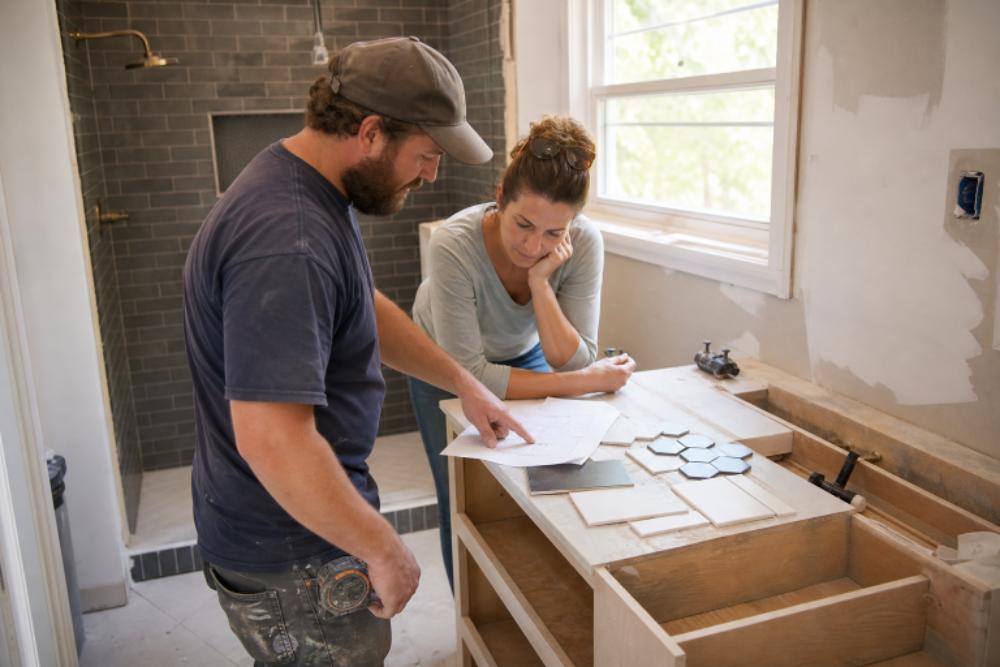
Settle the layout before buying a vanity, shower base, toilet, or tile. Measure room length and width, ceiling height, door swing, windows, existing plumbing connections, outlets, switches, fan location, studs, and other fixed features. A fixture that fits on paper may still interfere with a door, drawer, or walkway.
Keeping plumbing in its current location can reduce construction complexity. Still, moving a fixture may be worthwhile when the existing layout creates poor access, limited storage, or an awkward and unsafe shower entry.
Step 5: Plan for Comfort, Safety, and Long-Term Use
Accessibility features can improve a bathroom without making it feel institutional. Consider a low-threshold shower, built-in seating, slip-resistant flooring, a handheld showerhead, lever-style handles, brighter task lighting, and wider clear paths. Installing blocking behind shower walls for future grab bars is a simple upgrade while the walls are open.
Step 6: Select Materials That Match Daily Life
A judge surfaces by performance as well as appearance. Ask whether a material resists water, cleans easily, handles regular use, fits the home’s style, and can be repaired or matched later. Order samples before committing, since finishes can appear very different under daylight, warm vanity lights, and cool overhead lighting.
For homeowners comparing illuminated mirror options, LED Mirror World UK can also be a useful reference when evaluating styles, sizes, and lighting features.
Plan to order extra tile for cuts, breakage, and future repairs. Also consider grout color and texture. Very light grout may show stains, while highly textured floor tile can be harder to clean.
Step 7: Protect the Remodel With Ventilation and Waterproofing
Ventilation and waterproofing matter long after the visible work is finished. Choose an exhaust fan sized for the room and vented outdoors. In wet areas, remember that tile and grout are finish surfaces, not a complete water-management system. The walls and floor behind a shower need a properly installed waterproofing approach, suitable drainage, and careful sealing around penetrations.
A sensible order of construction helps prevent finished work from being damaged by later trades. In general, demolition comes first, followed by repairs and framing, plumbing and electrical rough-ins, ventilation, waterproofing, finishes, fixtures, and final details.
Step 8: Create a Construction Timeline
Do not assume every remodel follows the same schedule. Permits, special-order materials, inspections, hidden damage, and layout changes can all affect timing. A typical project sequence includes confirming the design and scope, ordering materials, securing permits, demolishing the old room, completing rough-ins, waterproofing, installing finishes and fixtures, and then addressing the punch list during the final walkthrough.
If this is the household’s only full bath, create a backup plan before work begins. Arranging access to another bathroom can make construction far less disruptive.
Questions to Ask a Bathroom Remodeling Contractor
- What exactly is included and excluded in the written estimate?
- Who manages permits and inspections?
- How will the shower or tub area be waterproofed?
- What happens if hidden damage is discovered?
- Who performs the plumbing, electrical, and tile work?
- How are changes approved, priced, and documented?
- What warranties cover products and installation?
- How often will project updates be provided?
Common Bathroom Remodeling Mistakes to Avoid
Avoid beginning demolition before the design is complete, choosing fixtures before confirming measurements, overlooking storage, ignoring ventilation, or selecting the lowest bid without comparing scopes. Other costly mistakes include skipping the contingency reserve, selecting slippery finishes, failing to order extra tile, and making lighting decisions after walls have been closed.
Bathroom Remodel Planning Checklist
- Define why the bathroom needs to change.
- Separate must-haves from optional upgrades.
- Set a budget with a contingency reserve.
- Measure the room and confirm the layout.
- Plan lighting, ventilation, storage, and safety features.
- Compare written estimates, warranties, references, and schedules.
- Prepare for construction and the final walkthrough.
Frequently Asked Questions
How early should a homeowner plan a bathroom remodel?
Start several weeks or months before demolition. Larger projects may require more lead time for design decisions, permits, contractor availability, and product orders.
Is it cheaper to keep the existing bathroom layout?
Often, yes. Leaving major plumbing and electrical connections in place may reduce labor, but function, safety, and system condition should guide the final decision.
What is the most important part of a shower remodel?
Accurate measurements, sound waterproofing, proper drainage, and safe access are more important than decorative finishes alone.
Should a bathroom include accessibility features?
Features such as better lighting, handheld showerheads, slip-resistant flooring, and future grab-bar blocking can benefit users of many ages and support comfortable long-term use.
Conclusion: Start With Decisions That Improve Daily Life
A successful bathroom remodel begins with a clear plan, not a demolition hammer. Define the problem, control the layout, protect the budget, and choose materials that serve daily routines. When those decisions come first, the finished bathroom can look polished, work reliably, and remain comfortable for years.