
For families in Minnetonka, MN, the teenage years often bring questions about orthodontic care. Permanent teeth have largely emerged, facial development continues, and concerns involving crowding, spacing, or bite alignment may become more noticeable. At the same time, teenagers have school, sports, social activities, and increasingly independent routines to manage. Understanding treatment options, oral hygiene, eating habits, appointments, and long-term responsibilities can help families approach orthodontics with realistic expectations.
Choosing an Orthodontic Treatment That Fits the Teen
Modern orthodontics offers teenagers more than one way to improve tooth and bite alignment. Traditional metal braces remain widely used and can provide substantial control over tooth movement, including in complicated cases. Clear ceramic braces offer a less noticeable alternative, while clear aligners provide another option for suitable patients.
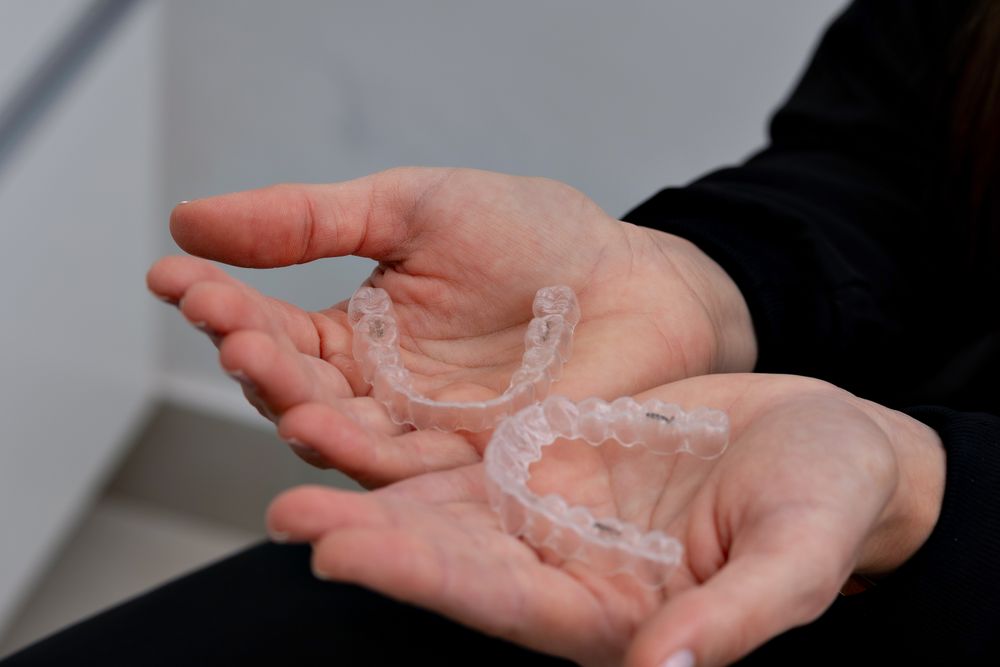
Families interested in discreet treatment may begin by researching orthodontists that offer the best invisalign in Minnetonka, MN, and discussing whether clear aligners are appropriate for their teenager’s particular orthodontic needs. Invisalign trays are removable and nearly invisible, which can appeal to teens concerned about how treatment will affect their appearance, eating habits, or daily activities.
However, removable treatment requires responsibility. Aligners only work as intended when worn according to the orthodontist’s instructions. A teen who frequently forgets or loses them may be better suited to another treatment approach.
The right choice should therefore reflect both the orthodontic problem and the teenager’s ability to manage treatment consistently.
Understanding Why Timing Matters
There is no universal age at which every teenager should begin orthodontic treatment.
Timing depends on dental development, jaw growth, tooth eruption, and the type of alignment or bite problem involved. Some children benefit from earlier intervention, while other cases are better addressed once more permanent teeth have appeared.
An orthodontic evaluation allows a professional to examine crowding, spacing, tooth position, and how the upper and lower teeth meet.
Teenage growth can sometimes provide useful opportunities for addressing certain orthodontic concerns. That does not mean parents should rush into treatment solely because their child has reached a particular age.
The goal is to begin at a clinically appropriate stage.
Regular dental visits can also help families identify developing concerns and determine when an orthodontic assessment may be worthwhile.
Keeping Teeth Clean During Treatment
Oral hygiene becomes especially important during orthodontic treatment.
Brackets and wires create additional spaces where food and plaque can collect. Teenagers wearing braces therefore need to pay close attention to brushing around brackets and along the gumline.
Flossing can require additional effort as well. Orthodontic flossing tools or other products recommended by dental professionals may make cleaning between teeth easier.
Clear aligners remove some of these obstacles because they can be taken out for brushing and flossing. However, teeth still need to be cleaned carefully before trays are replaced.
Teenagers should also clean their aligners according to professional instructions rather than simply wearing the same trays without proper care.
Orthodontic treatment aims to create healthier alignment. Maintaining good hygiene throughout the process helps ensure that straightening teeth does not come at the expense of enamel or gum health.
Managing Food Without Making Treatment Miserable
Food restrictions are one of the first things many teenagers associate with braces.
Certain hard, sticky, or chewy foods can damage brackets and wires, potentially creating an unexpected orthodontic visit and slowing treatment. Teens with braces need to learn which foods require caution and how some foods can be prepared differently to make them easier to eat.
Clear aligners provide more freedom because they are removed during meals.
That convenience comes with its own responsibility. Aligners should generally be removed before eating, stored safely, and replaced afterward as directed. Constant snacking can complicate the routine because the trays need to remain out while eating and teeth may need attention before reinsertion.
Families can make the adjustment easier by planning school lunches and snacks with orthodontic treatment in mind.
Eventually, these habits usually become part of the normal daily routine.
Playing Sports Safely With Orthodontic Appliances
Braces do not automatically mean giving up athletics.
Teenagers can generally continue participating in sports while undergoing orthodontic treatment, including activities where physical contact may occur. Protection becomes particularly important, however, because an impact to the mouth can injure teeth, lips, cheeks, or orthodontic appliances.
An appropriately fitted orthodontic mouthguard can help protect the mouth during practices and games.
Parents should discuss the teen’s specific sport with the orthodontist, especially when there is substantial contact or risk of facial impact.
Clear aligners may create different considerations, and teenagers should follow professional guidance regarding whether trays should remain in place during particular activities.
The objective is to allow teens to continue doing what they enjoy without unnecessarily increasing the risk of dental injury or disrupting treatment.
Helping Teens Stay Consistent With Appointments
Orthodontic treatment is a process rather than a one-time procedure.
Braces require periodic appointments so the orthodontist can monitor tooth movement and make necessary adjustments. Clear-aligner patients also need monitoring to confirm that treatment is progressing as expected.
Teenagers already have busy schedules filled with classes, examinations, sports, clubs, jobs, and social commitments. Families should consider appointment logistics when choosing treatment.
Missed appointments can interfere with progress, particularly when they become frequent.
Parents can initially help teenagers manage reminders and transportation, but orthodontic treatment also offers an opportunity for teens to develop greater responsibility for their healthcare.
Encouraging them to understand their treatment plan, ask questions, and remember appointments can gradually shift ownership of the process from the parent to the patient.
Preparing for the Social Side of Orthodontics
Appearance matters to many teenagers, and dismissing those concerns as superficial is rarely helpful.
A teen may worry about school photographs, presentations, dating, or how classmates will react to braces. Others may feel excited about improving their smile and have few concerns about visible treatment.
Modern orthodontic options can help families consider these preferences alongside clinical requirements.
Clear ceramic braces are less noticeable than traditional metal brackets, while aligners can be particularly discreet. Some teenagers, however, enjoy choosing colorful elastics and treating braces as part of their appearance.
Parents can help by allowing teens to participate meaningfully in treatment discussions.
Confidence may also change throughout treatment. As alignment improves, teenagers may become more comfortable with their smiles even before treatment is complete.
Remembering That Retainers Are Part of Treatment
Removing braces or finishing the last set of aligners is exciting, but orthodontic care does not necessarily end there.
Teeth can shift after treatment. Retainers are used to help preserve the new alignment while the surrounding tissues adapt, and continued retainer use may be necessary according to the orthodontist’s recommendations.
This stage can test a teenager’s responsibility because the visible part of treatment has finished.
Parents should make sure teens understand why retention matters rather than presenting the retainer as an optional extra. After months or years spent improving alignment, maintaining the result is worth the additional routine.
Retainers also need proper cleaning and safe storage. Removable versions can easily be lost when wrapped in napkins or left in unexpected places.
Building a consistent habit from the beginning can make retention easier.
Orthodontics during the teenage years involves more than straightening teeth. It requires cooperation between the teen, family, orthodontist, and dental team. Choosing an appropriate treatment, maintaining oral hygiene, protecting the mouth during sports, attending appointments, and following retention instructions all contribute to the process. When teenagers understand why these responsibilities matter, orthodontic treatment can become an opportunity to build habits that support their smiles well beyond adolescence.