
Few substances have undergone such a dramatic image change as cannabis. For decades, it was a symbol of rebellion, tied up with protest, music and the counterculture of the 1960s and beyond. Today, in the UK, it occupies a very different place: a regulated medicine, prescribed by specialists and dispensed by pharmacies.
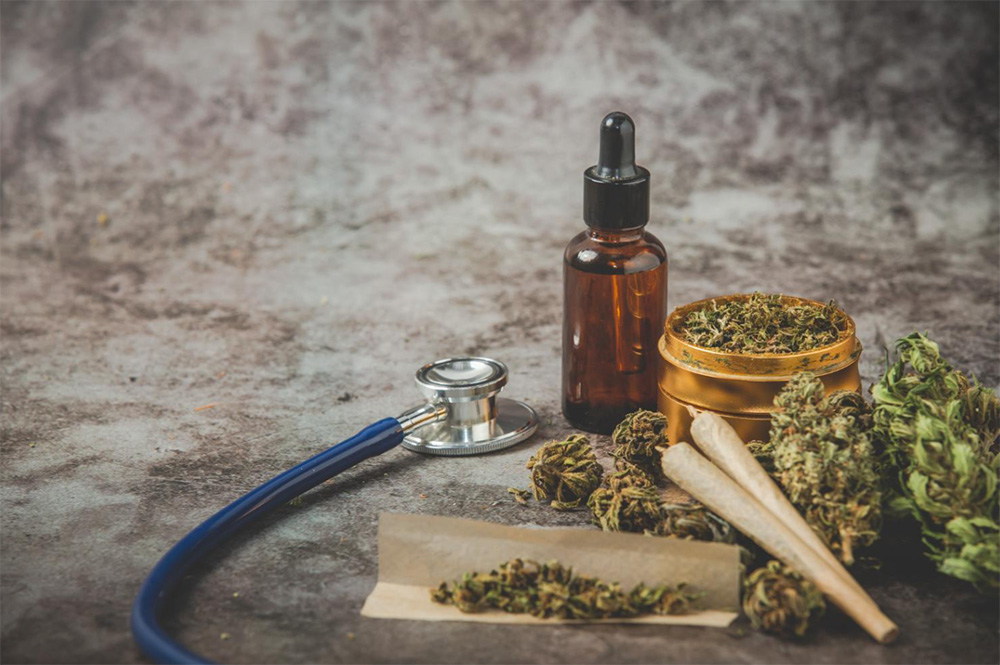
The journey from protest symbol to prescription pad is one of the more striking cultural shifts in recent memory, and it says as much about changing attitudes as it does about changing law.
From Protest Symbol to Prescription
For much of the twentieth century, cannabis was defined by its associations rather than its chemistry. It stood for a particular attitude, a particular era and a particular kind of defiance. That cultural baggage shaped public perception far more than any medical consideration, and it cast a long shadow over serious discussion of its potential uses.
This image had real consequences. As long as cannabis was seen purely through the lens of counterculture, the idea of it as a legitimate medicine struggled to be taken seriously. The reputation came first, and the facts had to fight their way out from underneath it.
The 2018 Turning Point
Everything shifted in 2018, when the UK rescheduled cannabis-based products for medicinal use, allowing specialist doctors to prescribe them legally for the first time.
The change followed a wave of public sympathy for patients, particularly families of children with severe conditions, whose stories reframed the debate around medicine rather than recreation.
That reframing mattered enormously. Suddenly, the conversation was about clinical need, regulation and evidence, not about lifestyle or rebellion. The law had caught up with a growing recognition that a plant long defined by its image might also have a legitimate medical role.
A New, Clinical Conversation
One sign of how far things have moved is the kind of questions people now ask. Where once cannabis prompted cultural debate, patients today raise practical, clinical questions, wanting to understand it in the way they would any other medicine.
Even straightforward queries such as “how long does cannabis stay in your system?” reflect a more informed, medical mindset.
This shift in questioning is quietly profound. It shows people engaging with cannabis as a subject of health rather than identity, seeking facts rather than taking sides. That change in tone is exactly what the move from counterculture to clinic looks like in everyday life.
How Patients Research Today
Modern patients are research-minded, approaching the subject with the same diligence they would bring to any treatment. They look into the different forms available and how each might relate to their condition, always understanding that a specialist makes the actual decisions. Resources on cannabis strains for pain help inform those conversations.
The important point is that this research is a starting point, not a self-diagnosis. Patients explore their options to ask better questions, then rely on a qualified specialist to assess what is appropriate. It is a measured, clinical approach that would have been almost unimaginable under the old cultural framing.
Evidence Replacing Assumption
Underpinning the whole shift is a move from assumption towards evidence. Where attitudes were once driven by reputation, the medical conversation now turns on what the research actually shows, which remains a developing picture.
This is why prescribing is cautious and kept within specialist hands.
Bodies that assess clinical evidence anchor this new seriousness. The National Institute for Health and Care Excellence, through NICE, publishes guidance on cannabis-based medicinal products that reflects where the available evidence supports their use.
Grounding the discussion in this kind of analysis is the clearest possible break from the era of image and assumption.
The Stigma That Still Lingers
For all the progress, old perceptions have not vanished entirely. Some people still struggle to separate legal, prescribed medicine from the cannabis associated with counterculture or the illicit market.
This lingering stigma can make patients hesitant to explore a legitimate treatment option or to discuss it openly.
Overcoming that residue is part of the ongoing story. Each clear, factual conversation chips away at the old image, helping the public see prescribed medical cannabis for what it now is rather than what it once represented.
The cultural shift is real, but it is not yet complete.
A Shift Reflected in Wider Culture
The change is visible well beyond the clinic. Where cannabis once appeared in culture almost exclusively as a marker of rebellion, it now features in serious discussions about health, wellbeing and science.
Documentaries, news coverage and everyday conversation increasingly treat it as a medical subject rather than simply a provocative one.
That cultural normalisation both reflects and reinforces the legal shift. As the public grows used to seeing medical cannabis discussed in measured, factual terms, the old associations loosen their grip a little more.
Culture and law have moved together, each making the other easier to accept.
A New Chapter
The transformation of cannabis from counterculture emblem to clinical treatment is a remarkable example of how perceptions can change when law, evidence and attitudes move together.
In the UK, cannabis-based medicinal products can now be prescribed in certain circumstances through proper medical and legal channels, a world away from the substance’s rebellious past.
The image may have taken decades to shed, but the direction is unmistakable: a subject once defined mainly by its reputation is increasingly being judged through evidence, regulation and clinical need.
Important Information
This article is provided for general informational purposes only and does not constitute medical or legal advice.
Cannabis should only be obtained, possessed and used where legally permitted. In the UK, cannabis-based medicinal products must be prescribed by an appropriately qualified specialist and supplied through lawful, regulated channels.
Do not purchase cannabis from an illegal or unregulated source. Anyone considering cannabis-based treatment should speak to a qualified healthcare professional before beginning treatment or making any changes to prescribed medication.