
Big events bring people together for fun and excitement. Music festivals, sports games, and holiday parades offer great memories. Big gatherings can turn hazardous quickly when crowd dynamics change.
Planning slips or unexpected actions create immediate dangers for attendees. Knowing these hidden hazards helps people stay alert during massive gatherings. Safety requires understanding how crowds behave when spaces get tight.
The Psychology of Tight Spaces
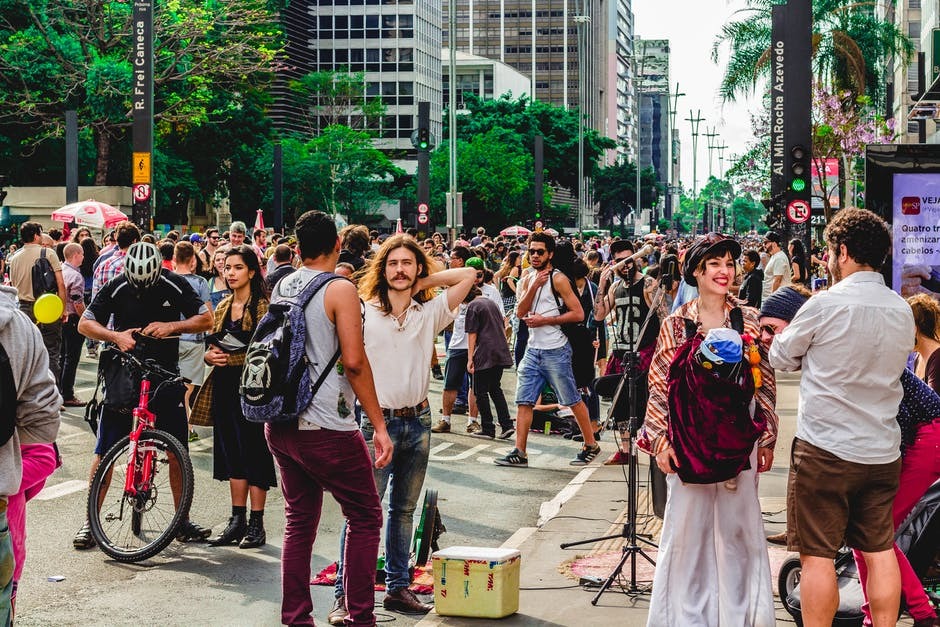
Crowd behavior changes when thousands of people fill a single area. Individual choices disappear as the group begins moving as a single wave. People feel helpless when pushed by a surrounding mass.
Physical forces build up when individuals pack tightly together. A small push at the back travels through the crowd like a wave, and this can throw people off balance without warning. When density reaches a critical point, simple walking becomes impossible. Small stumbles can trigger a chain reaction that harms dozens of individuals nearby.
Legal Accountability After Crowd Mishaps
Property owners must maintain safe conditions for all ticket holders. When poor layout designs trigger injuries, experienced legal teams like Eric Ramos Law, PLLC can review the incident to determine liability. Victims can seek compensation for medical bills and lost wages.
Organizers must calculate proper exit capacities before opening the gates. Failing to monitor entry numbers can result in dangerous overcrowding. Venues face severe penalties if they neglect basic safety protocols. Staff training can prevent crowd disasters. Businesses must assign clear roles to security personnel to manage heavy guest traffic.
Common Triggers for Sudden Surges
Surges happen fast when a crowd reacts to a sudden change. An unexpected rainstorm or a celebrity sighting can cause people to rush forward at once. Confusing signage or badly placed barricades can block standard pathways.
Staff must monitor these triggers to discourage crowd compression before pressure becomes unmanageable. Organizers can install heavy dividers to break up large masses of people into smaller segments.
How Social Influence Dictates Escape Routes
During an emergency evacuation, herd behavior is all too common. People assume the majority knows the safest route out of a building. Walking blindly behind a crowd will result in dead ends or jammed hallways. When you stay calm, you can spot clear paths that the rest of the group ignores.
A recent study published in Public Health Reviews examined how people react during panic. The researchers discovered a powerful follower effect where a single person moving toward a specific door can sway everyone else. Such collective blind spots reduce the odds of selecting the correct exit by up to 30%.
Perimeter Controls and Density Reductions
Managing entry points will keep event spaces safe. An academic report from IE University highlighted new ways to model crowd flow during stadium entry. Computer simulations show that smart access guidelines can organize movement and lower density levels by roughly 20%.
Small adjustments at security lines generate massive safety benefits. Delaying individual screening at the fenced outer perimeter by just 2.5 seconds can decrease the maximum average local density by nearly 80%. Holding people back briefly at the edge keeps the inner concourses clear.
Attendees move smoothly without facing sudden blockages near the seating areas. Controlled spacing protects patrons from getting crushed against doors.
Impact on Local Emergency Services
Massive gatherings place a heavy burden on nearby medical systems. Local hospitals may face an emergency department volume increase of 20% to 30% above baseline for the entire duration of an event. Medical centers must prepare for this influx months before the gates open. Local networks need clear communication plans to handle mass casualties.
Prevalent Health Issues at Big Venues
Most hospital visits during these times stem from predictable issues. Emergency teams routinely treat several specific ailments during major events:
- Severe crowd-related injuries occur from crushing forces
- Dehydration affects thousands of dancing fans
- Alcohol-related incidents spike late in the evening
- Heat exposure endangers people standing in direct sunlight
Nearby emergency teams need extra staff to manage the spike in patient care. Municipalities must coordinate with festival organizers to handle the patient load.
Simple Personal Protection Strategies
Attendees can take simple steps to protect themselves. Checking for multiple exit paths upon arrival prepares you for sudden evacuations. Staying toward the edges of a large gathering offers a quick escape route if the center gets packed.
If you get caught in a moving surge, keep your feet planted firmly. Hold your arms up against your chest like a boxer to create breathing space. Move diagonally with the crowd wave instead of fighting directly against the force. Never drop personal items on the floor, as bending down can cause you to get trampled.
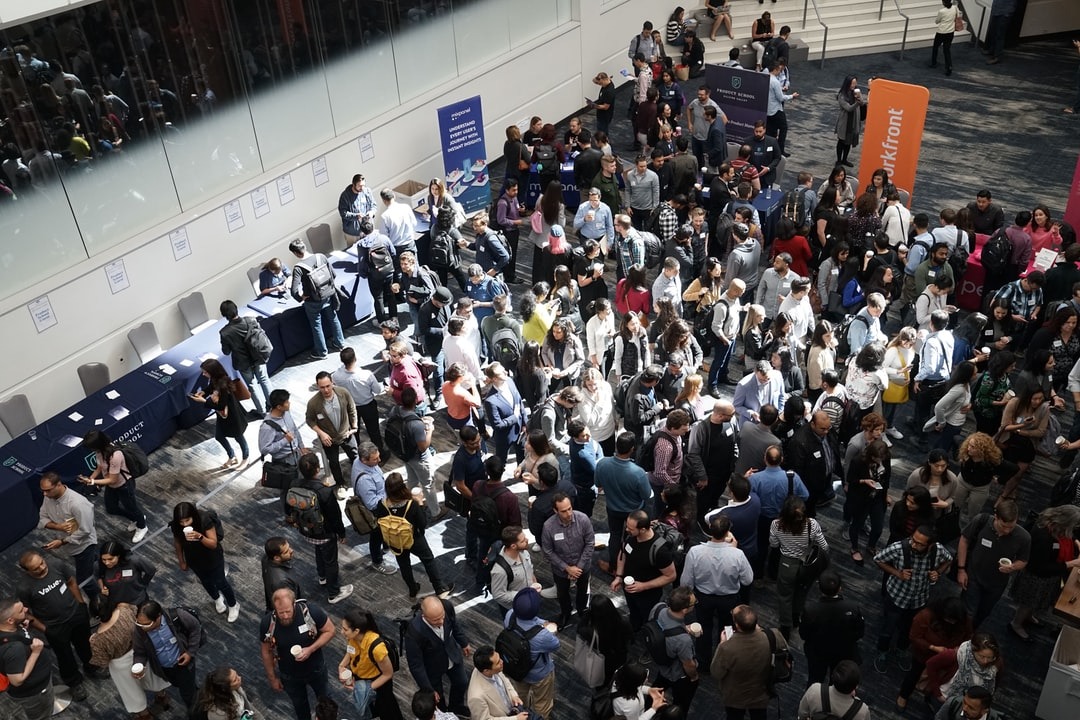
Large gatherings offer incredible fun, but personal safety must remain a priority. Staying aware of your surroundings protects you from sudden crowd movements. Watch the flow of people and locate alternative exits early in the day.
Understanding how crowd density builds up lets you spot warning signs before an area becomes dangerous. Enjoy your favorite events and keep these simple safety principles in mind.