
Key Takeaways
- Luxury perfumes blend artistic creativity with scientific precision to create unique fragrances.
- The selection of rare and high-quality ingredients is crucial in defining a perfume’s character.
- Advanced extraction techniques and aging processes enhance the depth and longevity of scents.
- Perfume bottle design plays a significant role in the overall luxury experience.
- Personalized fragrances are becoming increasingly popular, offering a unique olfactory identity.
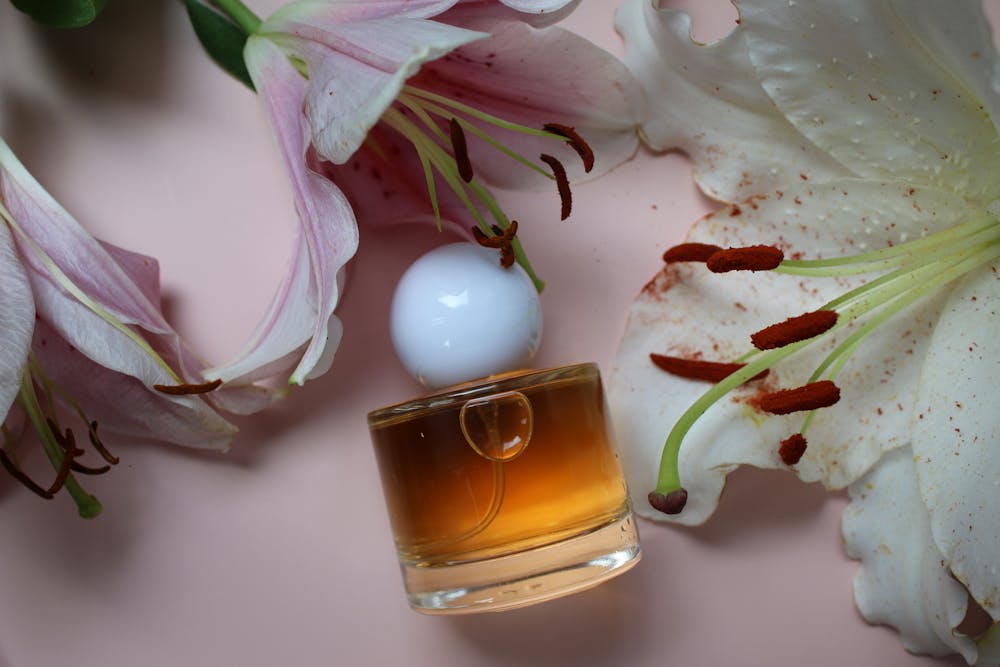
The Inspiration Behind a Scent
Every luxury fragrance draws on a deep well of inspiration. The process for the world’s most exclusive perfumes and colognes always begins with a compelling story or a mood that perfumers wish to convey. Often called “noses,” these artisans look to nature, visual art, travel, and powerful emotions to inform their aromatic creations. More than just pleasant smells, luxury scents are crafted to evoke powerful memories, shape moods, and spark the imagination. A perfume can capture romance, adventure, or calm in a single breath.
This intimate connection between inspiration and olfactory artistry sets luxury perfumes apart. What begins as abstract emotion or memory is gradually transformed into a tangible fragrance, a silent yet expressive language that communicates far beyond words. The creative process is layered and imaginative, requiring not only a keen sense of smell but also an intuitive grasp of narrative and symbolism.
The Selection of Ingredients
One of the defining features of high-end perfumery is its uncompromising use of rare and exquisite materials. Sourcing plays a pivotal role in ensuring each perfume contains the finest available ingredients. Highly sought-after elements such as oudh, ambergris, Grasse jasmine, and sandalwood are carefully selected for their purity and lasting power. The May rose, for example, blooms briefly and produces a delicate aroma highly prized by master perfumers. The character and longevity of a scent are determined by the source and quality of its components. Collecting such rare materials is both an art and a science, requiring extensive travel and collaboration with growers and suppliers who share a passion for authenticity and excellence.
Extraction Techniques
After securing the finest materials, perfumers rely on sophisticated extraction methods to gather their aromatic essences. Steam distillation and solvent extraction are among the most widely used approaches. Each technique preserves different facets of the source material’s aroma; for example, steam distillation works well with essential oils from hardy flowers and resins, while solvent extraction excels with fragile blossoms. The aim throughout is to respect and maintain the material’s authentic scent profile. These techniques require advanced expertise and scientific know-how. A single misstep can alter or degrade the precious compounds. The integration of scientific methodology and artistry is especially visible in this stage, which lays the foundation for the layered complexity of a luxury scent.
The Art of Blending
With essences in hand, blending begins. This step resembles composing a musical symphony. Perfumers mix top, heart, and base notes with meticulous care, refining the balance so the aromas dance harmoniously together. Each layer serves a distinct function: top notes shape the first impression, heart notes carry the fragrance, and base notes anchor the scent, extending its presence on the skin.
Harmony and Complexity
Crafting a memorable perfume requires both technical skill and an innate sensitivity to how different notes will interact. Blending transforms individual components into a unified whole that is sophisticated, evolving, and wholly unique. The aim is to create a scent that unfolds in stages, delivering complexity and surprise with every moment.
Aging and Maturation
Following blending, luxury perfumes often undergo a period of maturation. Much like fine wine or whiskey, aging allows the notes to combine fully, resulting in a well-rounded, elevated fragrance. This stage may last anywhere from several months to years. During this time, volatile notes soften, and deeper base elements emerge, ensuring that the finished product is harmonious and enduring.
Experts agree that this patience is critical to achieving a fragrance with true character and lasting appeal. The process introduces subtle shifts and improvements that faster methods cannot replicate.
Bottle Design: A Visual Extension of the Scent
No high-end perfume is complete without an extraordinary bottle. Designers and artisans work closely to create vessels that serve as visual and sensory extensions of the perfume itself. The bottle may communicate opulence, minimalism, or artistic whimsy while enchanting consumers through its tactile and visual appeal. A beautifully crafted bottle transforms the simple act of applying perfume into a multisensory ritual, reinforcing the perfume’s story and identity.
The Rise of Bespoke Fragrances
Personalization has become a driving force across the luxury market, and perfumery is no exception. Bespoke perfume services now invite clients to collaborate directly with expert perfumers, resulting in a one-of-a-kind scent tailored to personal tastes and memories. This growing trend allows individuals to express their unique character and story through fragrance, further enhancing the bond between the wearer and the product.
Conclusion
The journey from inspiration to finished perfume is meticulous and deeply creative. Every step, from sourcing the rarest ingredients to blending and aging, demands artistry, discipline, and scientific expertise. The result is a fragrance that transcends the ordinary, offering a truly immersive, memorable experience. Luxury perfumes are the culmination of centuries of tr