
Home battery backup systems keep your lights, fridge, internet, and key devices running when the grid fails. More homeowners now rely on these systems to avoid spoiled food, frozen pipes, and lost work during power outages. Instead of depending only on a noisy generator and fuel, a battery quietly steps in within seconds and restores power to selected circuits or even your entire home.
These systems store electricity from the grid or from solar panels, then release it when you need it most. You control what the battery powers, how long it runs, and when it charges. Modern systems also help you save money by using stored energy when electricity prices are high.
This guide explains how home battery backup works, the main types, the key benefits, and what to look for before you buy, using simple terms and real-world considerations that matter for everyday homeowners.

How Do Home Battery Backup Systems Work?
Key Components of a Battery Backup System
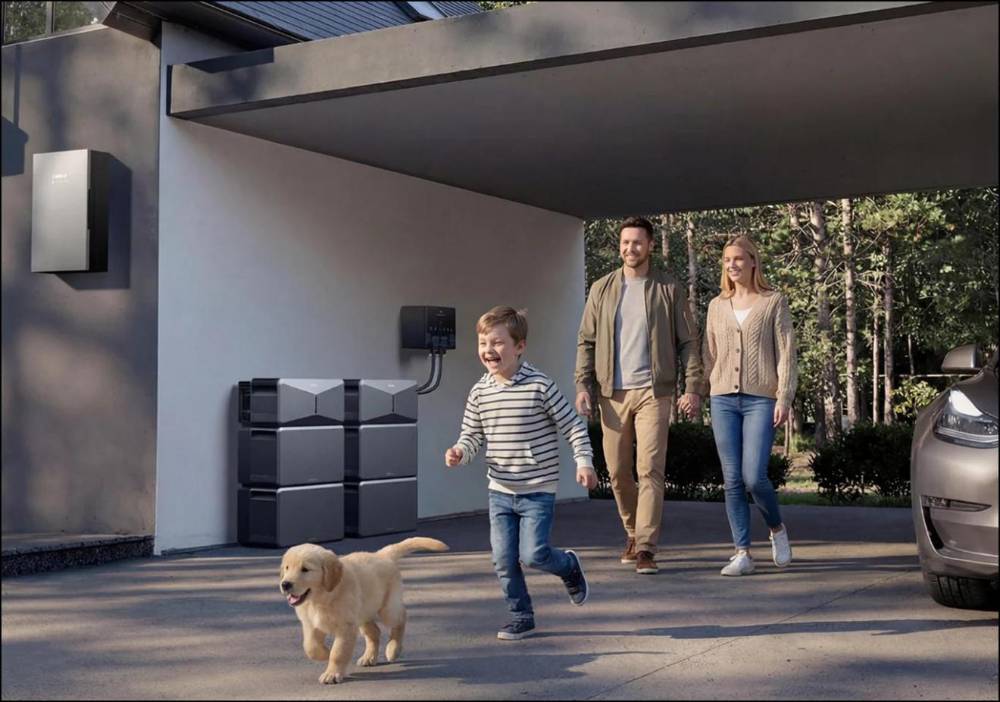
A typical home battery backup system includes several core parts that work together. The battery pack stores energy, often using lithium‑ion chemistry for long life and high efficiency. The inverter converts DC power from the battery into AC power for your home and can also manage solar input if you have panels. A transfer switch or smart backup gateway disconnects your home from the grid and routes power during outages. A monitoring system, usually app-based, lets you track battery level, power flow, and usage in real time. Safety gear, such as breakers, disconnects, and proper wiring, ensures the system operates reliably and meets local electrical codes.
Step-by-Step: How Power Flows During an Outage
When an outage hits, the system detects loss of grid power within fractions of a second. The transfer switch isolates your home from the grid to protect utility workers and equipment. At the same time, the inverter wakes up the battery and starts feeding AC power to the backup circuits or your whole home, depending on your setup. If you have solar panels and a compatible inverter, they keep producing power and can charge the battery while also powering loads. The system manages output so you do not exceed the battery’s power rating. Once the grid returns, the switch reconnects, and the battery recharges for future use.
Types of Home Battery Backup Systems
Whole-Home Backup Systems
Whole-backup battery home systems are designed to support most or all circuits in your house during an outage. These systems often use one or more large wall-mounted battery units paired with a powerful hybrid inverter and automatic transfer switch. Installers may add a “critical loads” panel or smart load management to prioritize key devices if you exceed capacity. Whole-home setups can run central air, well pumps, electric ranges, and other large loads, though heavy use shortens backup time. They work especially well with rooftop solar, allowing your home to generate and store its own power for extended blackouts. Upfront cost is higher, but comfort and resilience increase significantly.
Partial Backup and Portable Power Solutions
Partial backup systems target only essential circuits, which reduces battery size and cost. An electrician moves selected circuits, like the fridge, internet, some outlets, and lights, to a backup panel. During an outage, the battery only powers those loads, stretching backup time and keeping the system affordable. Portable power stations offer even more flexibility. You plug devices directly into the unit or through extension cords, with no wiring changes. They suit renters, small apartments, and budget-conscious homeowners. Many models support solar charging and include multiple AC outlets and USB ports. While they cannot run large loads for long, they provide practical backup for basic comfort and connectivity.
Benefits of Installing a Home Battery Backup
Energy Independence and Reliability
A home battery backup system gives you more control over how and when you use electricity. During storms, heat waves, or grid stress, you are less vulnerable to outages and voltage dips. The battery can keep medical devices, security systems, and communication tools running, which is crucial for safety and comfort. When combined with solar panels, you gain a measure of energy independence, especially during daytime outages. Your home can generate power, store it, and use it later without waiting for utility repairs. This level of reliability matters in rural areas, regions with aging grid infrastructure, or homes that depend on electric pumps, sump systems, and critical electronics.
Cost Savings and Environmental Benefits
Batteries can help lower energy costs when paired with the right utility plan. You can schedule charging during off‑peak hours and discharging during expensive evening peaks. This strategy reduces your bill without changing your daily habits. With solar, you store extra daytime energy and use it at night, which increases self-consumption and reduces what you buy from the grid. Environmentally, battery backups replace or reduce generator use, cutting local emissions, noise, and fuel handling risks. They also support broader clean energy goals by smoothing demand on the grid, which makes it easier to integrate more wind and solar. Over time, incentives, rebates, and evolving programs can further improve financial returns.
Conclusion
Home battery backup systems give homeowners a practical way to stay powered, comfortable, and connected when the grid fails. By storing energy in advance, you can ride through outages without the noise and hassle of traditional generators. Whether you choose a whole‑home system, a focused partial backup, or a flexible portable solution, the right setup depends on your budget, home size, and tolerance for downtime.When you compare options, focus on usable capacity, power output, smart controls, and safety certifications, not just brand names or marketing claims. Think about how you use power today and how that might change in the next decade. With thoughtful planning and professional installation, a battery backup system can deliver long‑term reliability, cost savings, and a quieter, cleaner way to keep your home running.