
Europe’s great rivers have shaped civilisations, fuelled trade, inspired poetry and carved some of the continent’s most breathtaking landscapes. To travel along their banks is to follow stories written over millennia — from Roman conquests to medieval legends, from Renaissance art to modern waterfront revival projects.
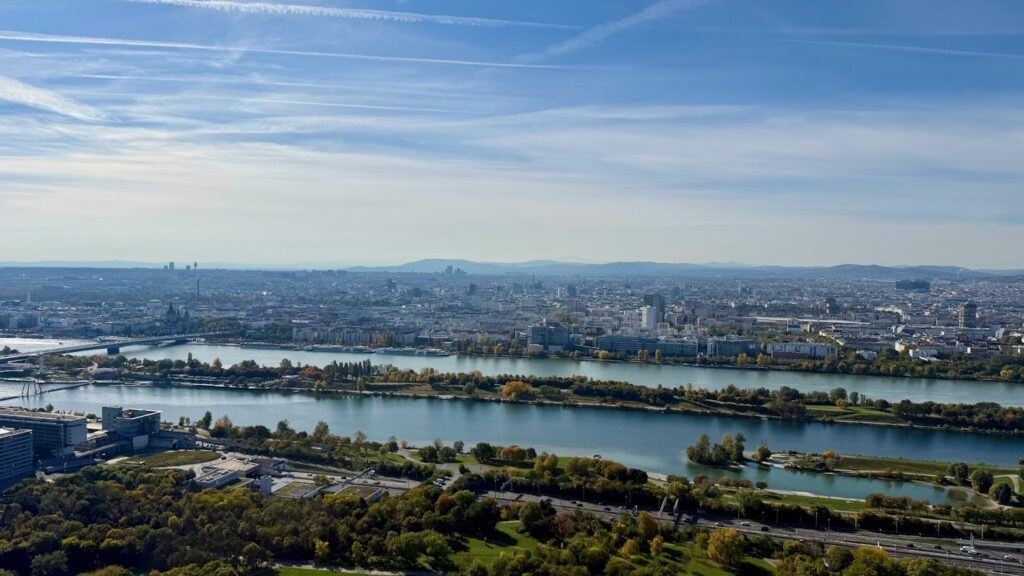
Linking South and North: The Marseille to Paris Journey
If you’re planning travel between major French cities, the Marseille to Paris train is one of the most efficient ways to connect southern sunshine with the cultural heart of the capital.
And from Paris, the continent opens into a web of rivers waiting to be explored.
The Seine: Paris Through a Different Lens
The Seine is a poet’s river — a ribbon of soft light and elegant viewpoints that define the Parisian landscape. Boats glide beneath historic bridges as the façades of Île de la Cité, the Louvre and Notre-Dame shimmer on the water’s surface.
Walking along the Left Bank, you encounter booksellers, cafés, artists and student life mixing effortlessly. In the evening, the Seine becomes one of the most romantic places in Europe, with illuminations reflecting off the river like melted gold.
The Danube: Europe’s Cultural Artery
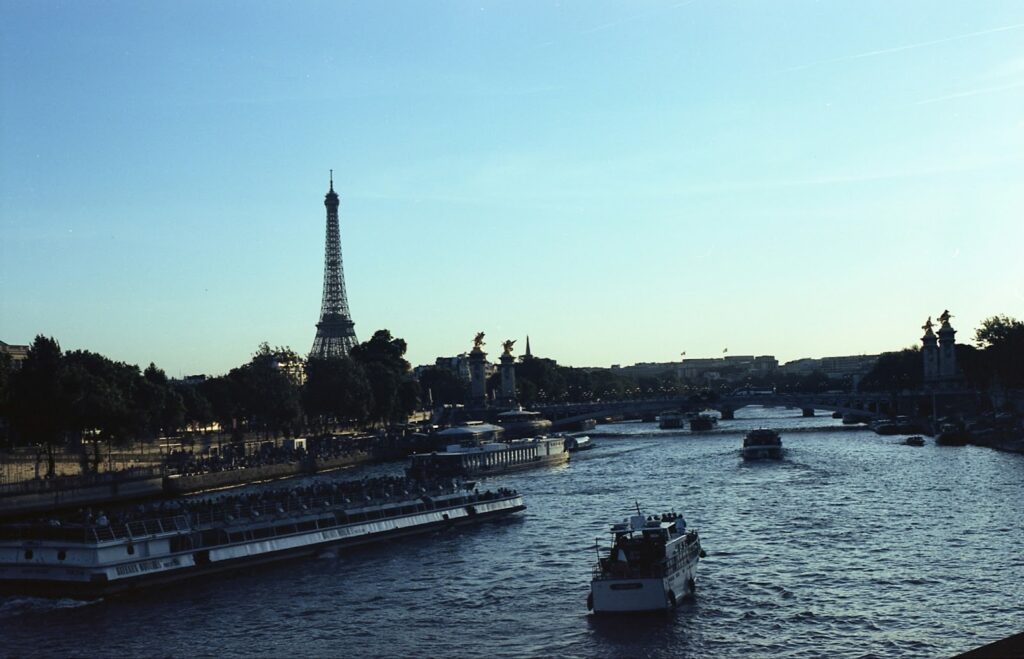
Running from the Black Forest to the Black Sea, the Danube crosses more countries than any other major European river. It flows through or near iconic cities such as Vienna, Bratislava, Budapest and Belgrade, each adding its own architectural and musical flavour.
Vienna
Refined, imperial and graceful, Vienna’s stretch of the Danube showcases green parks, opera houses, floating restaurants and open-air music festivals.
Budapest
Here the river splits the city into Buda and Pest, its waters reflecting the luminous Parliament building at night — one of the most impressive riverfronts in the world.
River cruises along the Danube remain among the most popular ways to explore central Europe’s history and charm.
Rail Connections Across Borders
Travellers often begin or end a river-focused journey with rail links between major cities. For those connecting France and the UK, services such as London – Paris trains make cross-border travel remarkably simple.
These routes allow visitors to hop between cultural capitals before branching out toward Europe’s river networks.
The Rhine: Castles, Vineyards and Legends
The Rhine is a river of myth. Between Koblenz and Bingen, the UNESCO-listed Upper Middle Rhine Valley unfolds in dramatic fashion: steep vineyards, half-timbered towns and hilltop castles appear around every bend.
The iconic Lorelei Rock, associated with legends of sirens and shipwrecks, rises from the river’s eastern bank — a reminder of how deep storytelling runs along the Rhine. Towns like Bacharach and Rüdesheim offer traditional wine taverns and charming medieval alleyways.
The Douro: Portugal’s Golden River
Flowing from Spain into northern Portugal, the Douro is a river of terraced vineyards and glowing sunsets. Its steep slopes produce the grapes for Port wine, and river cruises wind past quintas (wine estates), olive groves and picturesque villages.
Porto Connection
In Porto, the Dom Luís I Bridge spans the Douro with dramatic ironwork, creating a riverfront scene that captures Portugal’s warm, honeyed colours — perfect for photographers and romantics alike.
The Po: Italy’s Quiet Waterway
Italy’s longest river moves gently across the northern plains, feeding fertile farmland and providing rich landscapes for wildlife. Towns like Ferrara and Mantua — both UNESCO World Heritage Sites — retain Renaissance layouts shaped by the river’s influence.
Cycling routes along the Po offer a peaceful way to experience Italy’s countryside without crowds, while boat rides reveal traditional fishing huts and riverside villages.
The Vltava: Bohemia’s Melodic Heart
Flowing through Prague, the Vltava is inseparable from music, architecture and Czech cultural identity. Smetana’s symphonic poem “Má vlast” enshrined the river’s significance in classical music, while Charles Bridge remains one of the most famous river crossings in Europe.
A walk along the riverbank leads you past baroque towers, swan-filled waters and floating cafés that come alive at sunset.
The Elbe: Nature and Drama Combined
The Elbe stretches through Germany and the Czech Republic, passing through one of Europe’s most striking landscapes: Saxon Switzerland National Park. Here, sandstone cliffs tower above the river, creating a fantasy-like panorama of arches, peaks and evergreen forests.
In Dresden, the Elbe curves elegantly past palaces, museums and concert halls, highlighting the city’s blend of artistic splendour and riverine calm.
The Thames: A River of Empire and Innovation
London’s Thames is perhaps the most historically influential river in Europe. From the Tower of London to the Houses of Parliament, its banks have witnessed centuries of empire-building, trade, royal pageantry and modern reinvention.
Today the river hosts festivals, boat tours, riverside markets and cycling paths that connect London’s vibrant neighbourhoods. In many ways, the Thames remains the city’s beating heart — a symbol of continuity and creativity.
Final Thoughts
Europe’s rivers tell stories older than most of its cities. To follow them is to move through chapters of culture, legend and natural beauty. Whether you’re drifting past vineyards on the Douro, marvelling at Prague’s bridges along the Vltava or admiring sunset reflections on the Seine, each river invites you to slow down and see the continent from a fresh perspective.
Combine these waterways with fast, efficient rail links, and Europe becomes wonderfully interconnected — a place where landscapes, cultures and histories flow into one another with the grace of a river meeting the sea.