
Spices and rubs are important in cooking, adding depth and character to a variety of dishes. Proper storage practices are necessary to keep these ingredients fresh and potent, allowing home cooks to achieve the best flavor profiles in their meals. Temperature, humidity, and light exposure all affect how long spices stay fresh, and knowing how to manage these factors can improve cooking results.
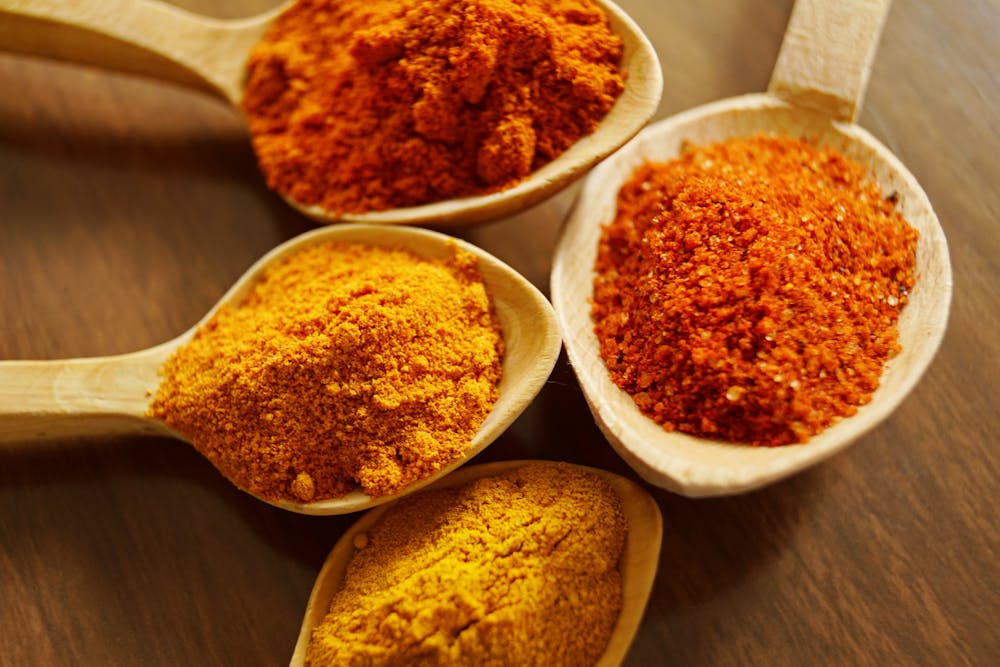
Taking time to understand how to store spices thoughtfully can yield tastier results in the kitchen. Exploring the best practices for storage, container choices, organization methods, and recognition of spoilage signs can lead to meals that are satisfying and flavorful. Using dry rubs can further enhance the depth of flavor in your dishes, making proper storage even more important.
Optimal Storage Conditions
Spices and rubs stay fresh longer when stored properly. Keeping them in a cool place helps prevent heat damage. Ideally, they should be kept away from stoves or ovens to avoid direct heat exposure. Low humidity is also key, as too much moisture can cause clumping and weaken the flavor over time.
Keeping spices away from light helps them retain their color and essential oils. Sunlight and UV rays can cause fading and reduce flavor. Using opaque containers blocks light exposure, and airtight containers help keep them fresh. For best results, store spices in a cool, dark place, away from direct sunlight.
Choosing Suitable Storage Containers
Storage containers help keep spices and rubs fresh, and the material affects how long they last. Glass containers are a great choice because they don’t react with spices and seal tightly to keep out air and moisture. Plastic jars are lightweight and easy to handle, but they may not protect spices as well, causing them to lose flavor faster.
Opaque jars shield spices from harmful light exposure better than clear alternatives. An airtight seal is essential; checking the effectiveness of the seal can prevent unwanted moisture and oxygen from compromising freshness. Additionally, keeping spices labeled with their names and expiration dates promotes efficient organization and helps in using older spices promptly.
Categorization and Storage Locations
Keeping spices organized makes cooking easier and saves time when looking for frequently used ingredients. Grouping them by type, cuisine, or purpose simplifies meal prep and makes it easier to find the right spice when needed. Storing spice racks or containers near the cooking area allows for quick access, while drawers or baskets help keep larger collections neat and easy to manage.
Cabinets and pantries help keep spices fresh by protecting them from light and temperature changes that can weaken their flavor. Keeping them off countertops prevents heat exposure. If you have a lot of spices, using dividers or sections makes it easier to find what you need and prevents mixing. Using older spices first keeps flavors strong, and labeling containers based on use makes storage more practical.
Methods for Prolonging Shelf Life
There are a few ways to keep spices and rubs fresh for longer, helping them retain their flavor in cooking. Freezing some spices works well, but they should be stored in airtight containers to prevent moisture from affecting their quality. Refrigeration is useful for blends with oils or fresh ingredients, though it’s important to check for condensation before sealing them up.
Vacuum sealing is a great way to store dry rubs, keeping them fresh by reducing air exposure. For homemade spice blends, drying them properly—whether by air drying or using a dehydrator—helps prevent moisture buildup. If buying spices in bulk, repackaging them into smaller, labeled portions can help keep them fresh longer and reduce waste.
Identifying Signs of Spice and Rub Degradation
If spices and rubs change in color, texture, or start clumping, they might not be fresh anymore. Bright colors fading to dull tones can mean a loss of potency. Clumping usually happens when moisture gets in, affecting both flavor and quality. A quick look and smell can help decide if they’re still good to use.
A quick smell test can help determine freshness—if the scent is faint or off, it’s time for a replacement. For rubs, note any shift in flavor balance as a sign they’ve aged past their prime. Established guidelines promote safe disposal of expired spices, keeping your kitchen clean and organized.
Fresh spices and rubs make food taste better, so storing them right is key. Keep them in a cool, dark place, away from heat and moisture, to help them last longer. Airtight, opaque containers protect against air and light damage. Organizing spices makes cooking easier, and using older ones first keeps flavors strong. If a spice looks faded or smells weak, it’s probably time to replace it. A little effort in storage goes a long way in making sure your meals stay flavorful and your ingredients don’t go to waste.