
Kona is located on the west side of Hawai’i Island. It stretches roughly around 60 miles along the shoreline. The region lies on the leeward side of the island. It is a sunny coastal region known for its warm and dry climate.
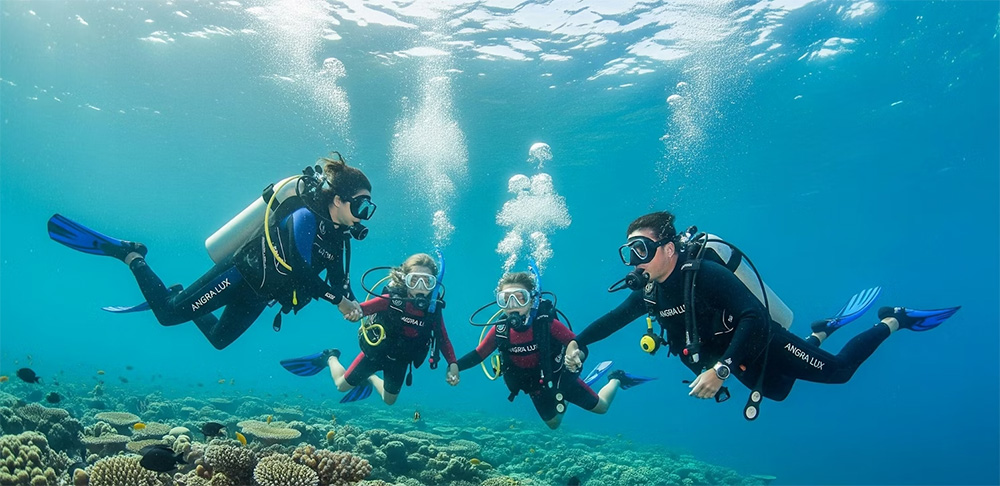
It is famous for its stunning coastlines, clear waters, and abundant marine life. Kona offers a variety of ocean adventures, from snorkeling with manta rays to deep-sea fishing. But before booking your trip, there are several essential factors to consider that will make your experience safe, enjoyable, and unforgettable.
Kona is famous for its stunning coastline, rich coffee farms, and world-class ocean adventures. Experience an unforgettable private whale watching near Kona, where you can enjoy the majestic humpbacks up close in a serene, personalized setting.
Types of Ocean Adventures That Are Popular in Kona
Kona’s waters are home to some of the most diverse marine ecosystems in the US. Popular activities include:
- Snorkeling and Scuba Diving: Spots like Kealakekua Bay and the Kailua-Kona coastline offer opportunities to see vibrant coral reefs, tropical fish, and even sea turtles. Manta ray night dives are a unique experience, where you can observe these gentle giants feeding in the dark.
- Whale Watching: From December to May, humpback whales migrate to Hawaiian waters. Tours from Kona Harbor provide chances to see these majestic creatures up close.
- Deep-Sea Fishing: Kona is known worldwide for its sportfishing, especially for marlin. Fishing charters cater to both beginners and experienced anglers.
- Kayaking and Paddleboarding: Calm mornings are perfect for exploring sea caves and hidden coves along the Kona coast.
Each adventure varies in intensity, duration, and cost, so it’s important to choose one that aligns with your comfort level and interests.
The Best Time to Visit Kona
Kona enjoys warm, tropical weather year-round. However, the best ocean adventure experiences depend on your activity of choice:
- Manta Ray Night Snorkels: Available year-round, but calmer summer nights are ideal.
- Whale Watching: December through May.
- Fishing Charters: Consistently productive, but big game fishing peaks in the summer.
- Snorkeling: Summer months (May to October) provide the clearest waters for underwater visibility.
It’s essential to consider weather patterns and seasonal activity schedules before booking.
Choosing a Reliable Operator
Safety and quality vary across operators. Look for the following:
- Licensing and Certification: Ensure that the company holds proper US Coast Guard and Hawaii state licenses. For scuba adventures, instructors should have PADI or equivalent certification.
- Safety Measures: Ask about life jackets, first-aid kits, and emergency procedures.
- Group Sizes: Smaller groups often provide a more personal experience and reduce environmental impact.
Necessary Things to Carry
Packing correctly ensures comfort and safety:
- Swimwear and Towels: Quick-dry options are ideal.
- Sun Protection: Reef-safe sunscreen, hats, and UV-protective clothing.
- Footwear: Water shoes for rocky beaches or boarding boats.
- Waterproof Bag: To protect electronics, IDs, and cash.
- Motion Sickness Remedies: For sensitive travelers on boats.
Are There Environmental Considerations?
Kona’s ocean ecosystem is delicate. Responsible tourism ensures the longevity of its marine life:
- Avoid touching or stepping on coral reefs.
- Follow local guidelines for interacting with wildlife.
- Dispose of trash properly and minimize plastic use.
- Respect marine sanctuaries and protected areas.
How Much Should You Expect to Spend?
Costs vary widely depending on the type of adventure:
- Snorkeling tours: $70–$150 per person
- Manta ray night dives: $120–$200 per person
- Whale watching tours: $50–$120 per person
- Deep-sea fishing charters: $400–$800 per boat
Booking in advance can sometimes secure discounts or better time slots.
Key Takeaways
- Private whale watching in Kona offers diverse ocean adventures, including snorkeling, manta ray night dives, whale watching, fishing, and kayaking.
- The best time to visit depends on the activity: summer for snorkeling, winter for whale watching.
- Always choose licensed and reputable operators to ensure safety and quality experiences.
- Bring swimwear, sun protection, waterproof bags, and motion sickness remedies.
- Practice eco-friendly tourism to protect Kona’s delicate marine ecosystem.