
There’s something timeless about trains at night. The soft clatter of wheels, the whisper of wind against glass, the faint reflection of your own face in the dark window. The OBB Nightjet isn’t just transport — it’s a lullaby in motion, carrying you through the heart of Europe while the rest of the continent dreams.
A Journey That Feels Like a Story
The OBB Nightjet train is one of those rare modern experiences that still holds a touch of old-world romance. You board in one city, fall asleep to the rhythm of the rails, and wake somewhere entirely new — a kind of magic that planes and motorways will never match.
Cabins are compact but charming: crisp white sheets, soft lamplight, the gentle scent of metal and linen. Outside, Europe slides past unseen — forests, rivers, cities that blur into silhouette. There’s peace in that anonymity, in knowing the world continues while you drift through it, half-awake and half-elsewhere.
By dawn, the carriage fills with quiet rustle. Curtains open. Coffee is poured. A light mist hovers over the tracks. Somewhere ahead lies Poland — a country where history and modernity intertwine like the rails beneath the train itself.
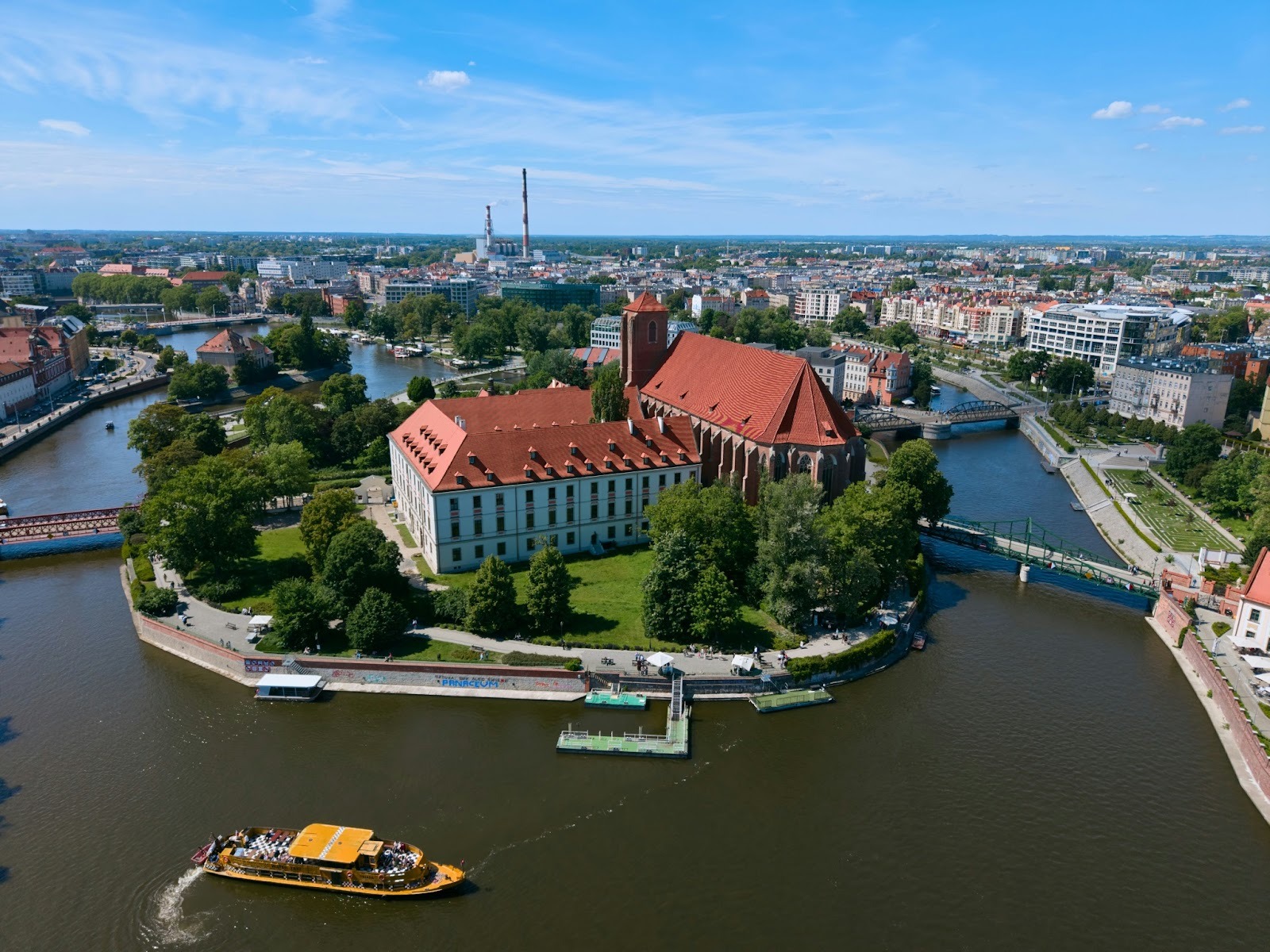
Warsaw: A Capital Reborn
Warsaw doesn’t look backwards; it rebuilds. The city that once lay in ruins has become a testament to endurance — steel and glass rising beside reconstructed palaces and neoclassical boulevards. It’s a capital with a memory, but also momentum.
You walk through the Old Town and feel it immediately — the cobblestones still warm from the afternoon sun, the scent of bread and roasted poppy seed drifting from bakery windows. Musicians play beneath the pastel façades, their notes echoing through squares that were painstakingly rebuilt brick by brick.
The modern skyline gleams just beyond, defiant and elegant. Warsaw is a city that knows how to survive, and how to shine while doing it.
Following the Royal Route
Poland’s Warsaw to Krakow train route traces a line of kings and cathedrals, of modern commuters and ancient roads reborn in steel. It’s a journey through the country’s creative and cultural corridor — smooth, fast, and surprisingly contemplative.
As the train glides south, the suburbs fade into green fields and quiet villages. Birch trees line the tracks like silver sentinels. Church spires mark the distance. You sip coffee from a paper cup, watching as the landscape widens, and you begin to understand why this stretch of Poland has always been called regal.
The rhythm of the carriage feels hypnotic. It’s easy to imagine the royal processions that once took the same path on horseback, centuries before the hum of electricity replaced the thunder of hooves.
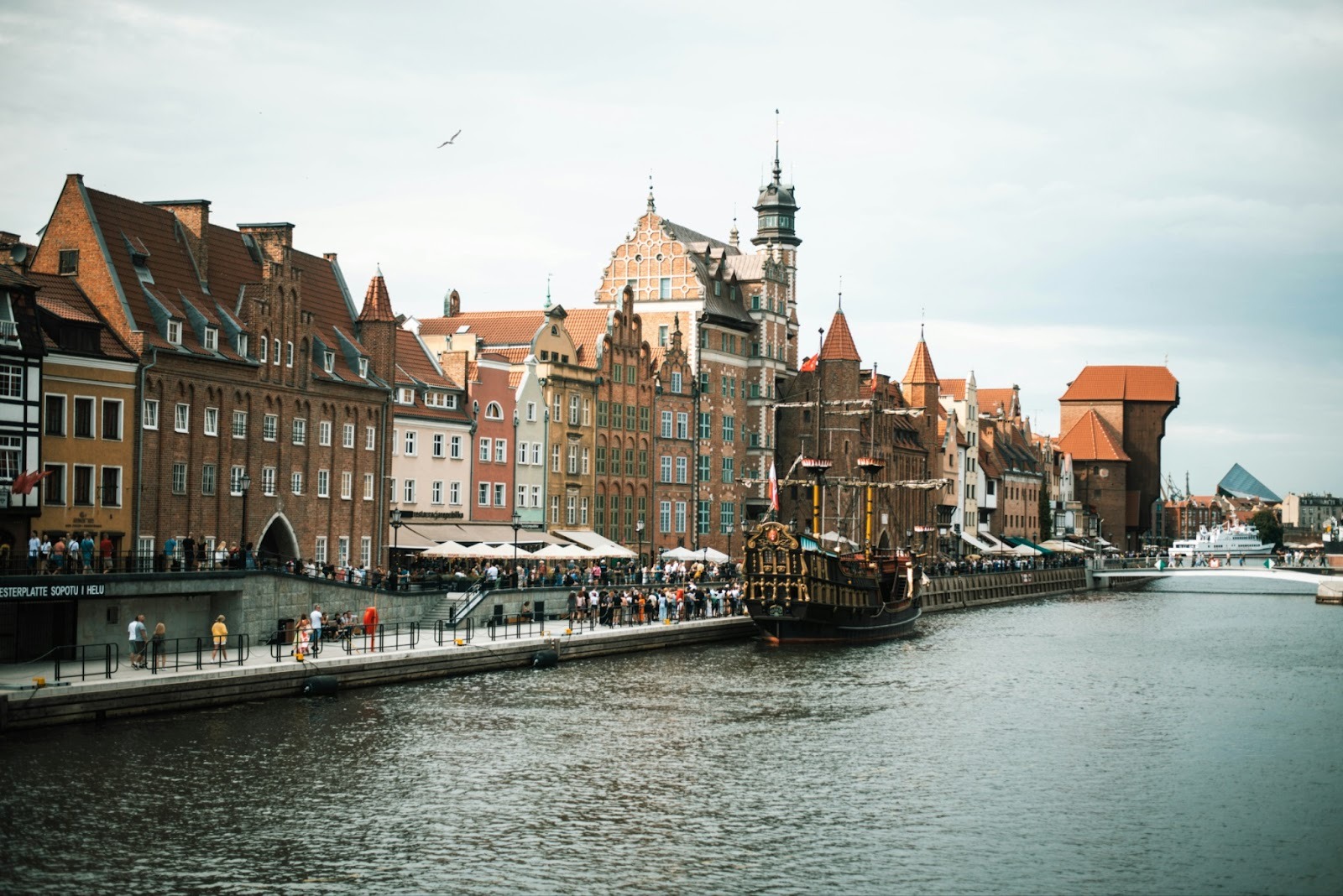
Krakow: The City That Keeps Its Soul
If Warsaw is resilience, Krakow is memory. It’s a city that seems untouched by haste, where history lingers not as relic but as rhythm.
The Royal Route ends in the heart of the Old Town, a place so atmospheric it almost hums. Horse-drawn carriages clatter past Gothic towers, and café terraces spill laughter into the streets. The air smells of warm bread and candle wax.
The Wawel Castle looms above the Vistula River, its stone walls glowing gold at sunset. Beneath it, legends of dragons and kings still feel strangely plausible. Krakow has that kind of power — it makes the mythical seem within reach.
In the evening, the Market Square glows with soft light. Street performers tune violins, and the hum of conversation floats upward into the night. Sit with a glass of mulled wine, and you can almost hear the centuries overlapping.
The Quiet Allure of Train Travel
There’s something deeply human about train journeys — that shared rhythm of movement, the subtle intimacy of strangers travelling in silence. You can read, dream, stare out the window, and feel the day unfold without interference.
In Europe, trains don’t just connect places; they connect moods. The OBB Nightjet carries the hush of night; the Polish expresses hum with daylight energy. Each route tells a story — of design, geography, and a continent still proud of its railways.
Trains invite you to arrive slowly, to let the anticipation stretch. They remind you that travel isn’t only about where you’re going, but how you get there.
Poland’s Living Heritage
Between Warsaw and Krakow, smaller towns hide quiet treasures: Łowicz with its folk embroidery, Częstochowa with its pilgrimage paths, and Radom with its classical music halls and modern art spaces.
Each stop adds a different note to the country’s symphony. There’s colour and craft everywhere — carved wooden icons, patterned pottery, handmade lace. Even the simplest railway café feels personal, like someone took the time to make it theirs.
That’s the secret of Poland’s charm. It’s not showy; it’s sincere.
When Night Falls Again
As dusk returns and the last train pulls into the station, the sky deepens to indigo. You can smell rain on the air, faint and metallic. Commuters hurry home, their footsteps echoing off old brick walls.
Somewhere, another Nightjet prepares to depart — its lights glowing softly against the dark. There’s comfort in that predictability, in knowing that the world keeps moving even as the streets fall silent.
You think about how the day began — in one city, then another, with so much in between that can’t be measured by distance. Maybe that’s what train travel really teaches: that movement can be meditative, and that time on the tracks feels somehow truer than time in the air.
A Continent in Motion
Europe still holds onto its railways like heirlooms — polished, updated, but deeply loved. The OBB Nightjet and Poland’s Royal Route are part of that lineage: proof that travel can be both practical and poetic.
They connect not just capitals, but people — commuters, dreamers, pilgrims, and wanderers. They remind us that the world is best experienced in motion, seen through glass, felt in rhythm.
And when the journey ends, you realise it hasn’t, not really. Because the sound of a train — that steady, unhurried heartbeat — stays with you long after the tracks have disappeared.
The Beauty of Going Slowly
Maybe that’s what makes rail travel so captivating: it lets you move without rushing. You can think, observe, breathe. The train window becomes a mirror for your own thoughts — past, present, and somewhere in between.
From Vienna to Warsaw, from Krakow to Cologne, Europe still feels best discovered at rail speed — not too fast to forget, not too slow to stall.
And if you’re lucky, the next time you close your eyes on the Nightjet, you’ll wake to a city full of towers and history, sunlight spilling through the blinds, and the quiet certainty that the journey itself was the destination all along.