
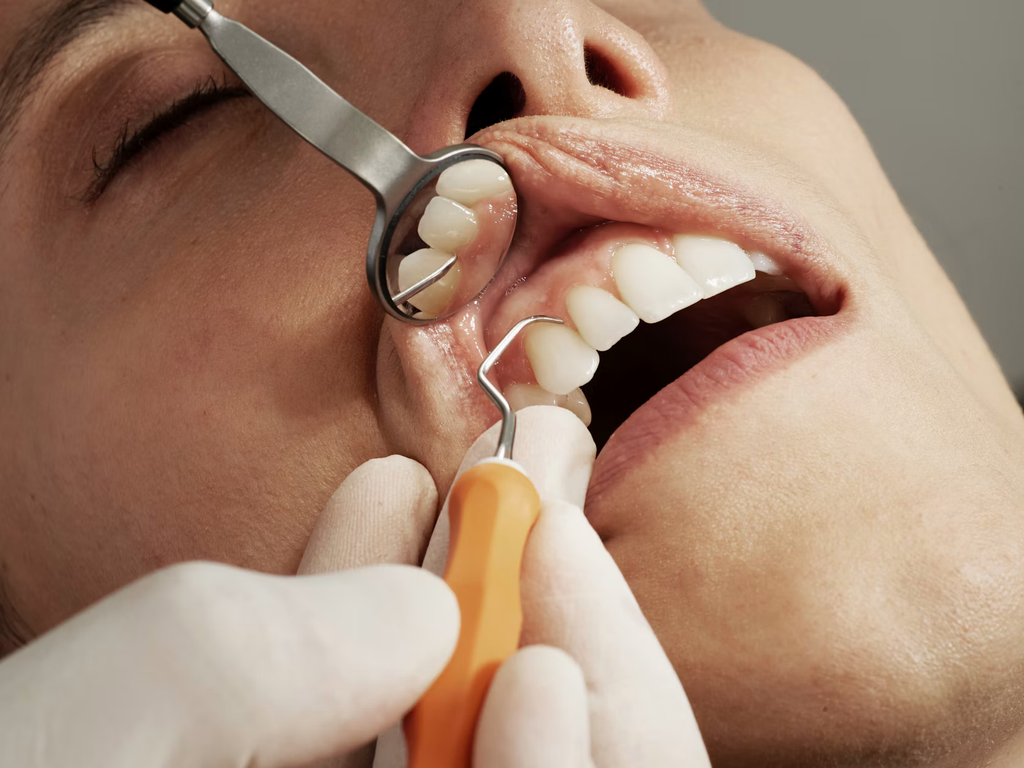
A missing tooth or subtle change in posture may seem like a minor concern, but over time, these changes can affect how you chew, speak, and move your jaw. When discomfort, uneven bites, or speech difficulties become part of daily life, even simple activities can feel frustrating. Discover how dental health, proper alignment, and everyday habits work together to protect your comfort and restore better oral function.
Minor Shifts with Major Consequences
Posture includes the position of your jaw, tongue, and head, as well as your spine’s alignment. When one part changes, nearby muscles often adjust to keep everyday actions comfortable. For example, leaning toward a laptop may push your head forward. The muscles around your neck then work harder to support its weight, while the jaw may settle into a slightly altered resting position.
Forward head posture can cause neck fatigue, shoulder discomfort, and changes in jaw movement. Someone who spends six or seven hours at a desk may repeat this position thousands of times through small movements such as reading, typing, and checking messages.
Oral habits can create similar patterns. Habitual mouth breathing may change the resting position of the tongue and lips. The relationship between mouth breathing and facial muscles is complex, so persistent symptoms deserve professional assessment instead of a self-diagnosis based on appearance alone.
Speech can also adapt to these minor shifts. Clear pronunciation depends on controlled contact between the tongue, teeth, lips, and palate. If you begin holding your jaw differently because one side feels tender, certain sounds may require extra effort. You might notice a faint whistle, reduced clarity, or fatigue after speaking for a long period.
Pay attention to patterns that last longer than a few days. Temporary changes during a sore throat or after routine dental care are common. A lasting change in speech, jaw movement, or head position calls for a closer look.
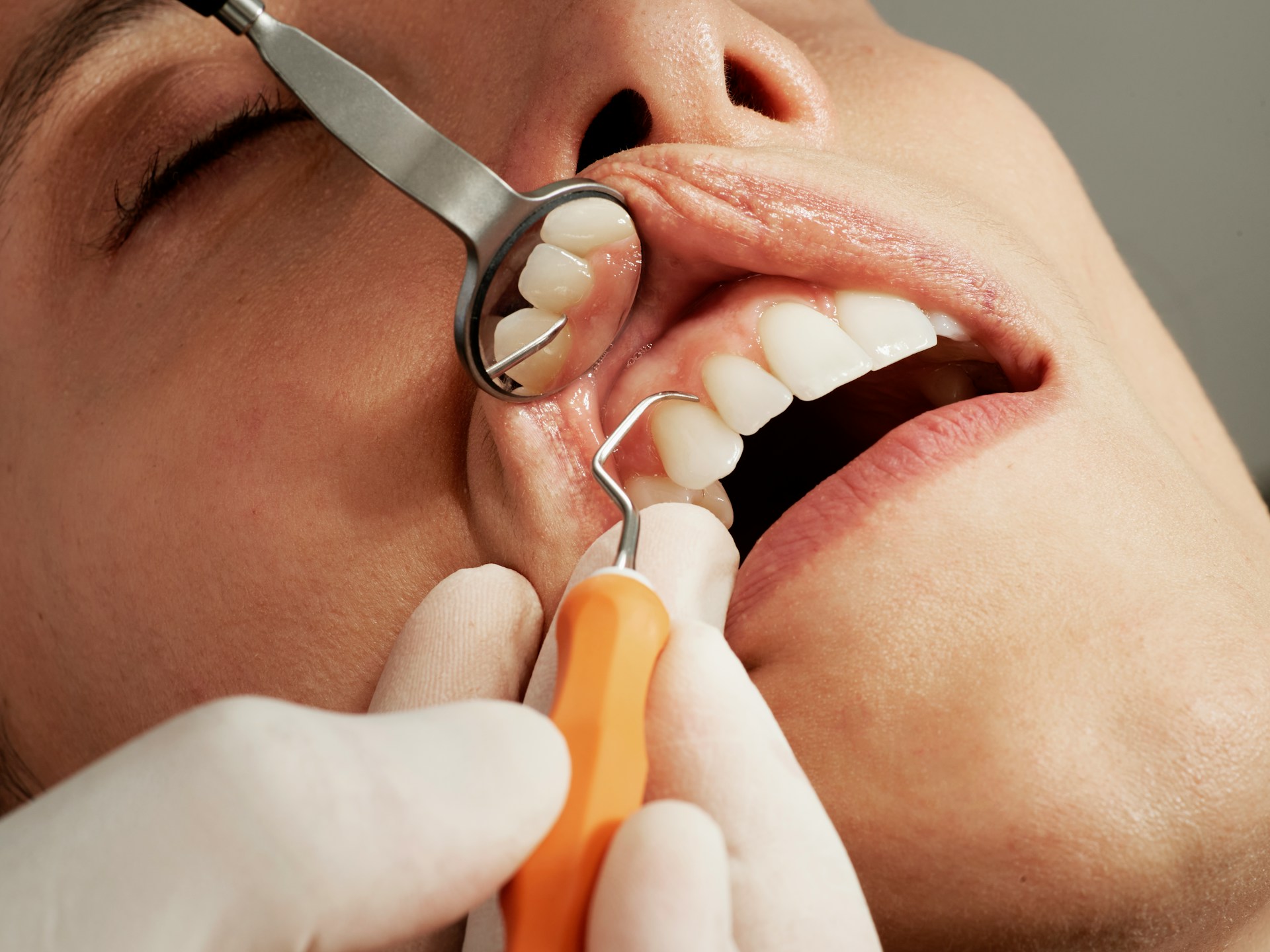
The Musculoskeletal Toll of Dental Gaps
A dental gap can affect more than the appearance of a smile. Teeth provide contact points that help guide chewing, support nearby teeth, and distribute pressure across the mouth. Once a tooth is lost, people often start chewing on the other side without consciously deciding to do so.
That adjustment can place uneven demands on the jaw muscles. One side may perform most of the grinding and crushing while the other becomes less active. Over time, the difference may contribute to muscle tightness, limited movement, or discomfort near the jaw joint. The temporomandibular joint and related disorders can produce symptoms such as facial pain, jaw stiffness, and clicking, although clicking alone doesn’t always signal a serious condition.
Neighboring teeth may also drift or tilt toward an open space. The opposing tooth can move farther into the gap because it no longer meets its usual chewing partner. These changes don’t happen at the same speed in every person, but they can alter the way the upper and lower teeth meet. You may also notice signs such as uneven chewing, food getting trapped between teeth, or a bite that no longer feels quite right. These everyday changes are worth paying attention to, as they can sometimes point to orthodontic issues that affect tooth alignment and bite comfort.
Speech effects depend on the gap’s position. Front teeth help direct airflow for sounds such as “s,” “z,” “f,” and “v.” A missing back tooth is less likely to produce an obvious speech change, though altered jaw movement can still influence clarity and comfort.
Avoid deliberately training yourself to chew on only one side. If you notice a new gap, frequent food trapping, or a bite that feels different, arrange a dental examination. Sudden facial swelling, severe pain, or difficulty opening the mouth requires prompt care.
Replacing Lost Roots to Realign Your Bite
Replacing a missing tooth starts with a full assessment of the gap, surrounding teeth, gums, and bite. The best option depends on the location of the missing tooth, the condition of adjacent teeth, and the amount of supporting bone. A clinician may discuss a removable denture, a bridge, or an implant-supported restoration after reviewing those factors.
Unlike a removable replacement, dental implants are placed in the jaw to act as artificial tooth roots before a restoration is attached. Treatment typically involves several stages, and healing time varies. Suitability can be affected by gum health, bone levels, smoking, certain medical conditions, and the ability to maintain careful oral hygiene.
The purpose of treatment is to restore useful contact and comfortable function. A replacement tooth must fit into the wider bite, not simply fill visible space. If its height or shape creates premature contact, the jaw may shift each time you close your mouth. Careful planning and follow-up checks help reduce that risk.
An implant isn’t the only appropriate answer for every gap. A bridge may suit someone whose neighboring teeth already need crowns, while a removable option may be preferable when several teeth are missing, or surgery isn’t suitable. The NHS overview of replacing missing teeth explains how dentures restore missing teeth and why ongoing reviews remain necessary.
Ask what each option requires over five or ten years. Useful questions cover cleaning, expected maintenance, healing stages, and what happens if the surrounding teeth change. Any proposal should also account for jaw comfort and bite stability, especially if you already experience muscle tension or uneven chewing.
Daily Adjustments for Better Alignment
Start with your screen position. Place the top third of your monitor near eye level and keep frequently used items within easy reach. Your ears should sit roughly above your shoulders when you work, though there’s no need to force your body into a rigid pose. Regular movement matters more than holding one supposedly perfect position all day.
Take a brief movement break every 30–60 minutes. Stand, relax your arms, and gently turn your head side to side. Stop if you experience pain, dizziness, or tingling. Maintain proper workstation ergonomics, including monitor, chair, and keyboard positioning.
Keep your jaw relaxed throughout the day: lips lightly together and teeth slightly apart. Avoid clenching. If you wake with jaw soreness or headaches, consult a dentist to check for tooth wear and possible causes. Avoid generic mouth guards, as poor fit may cause discomfort or affect your bite.
Chew normally on both sides when this feels comfortable, and keep up daily brushing between the teeth as well as along the gumline. Dental replacements also need specific cleaning, so follow the instructions provided for your appliance or restoration.
Speech changes may need separate attention. A dentist can identify structural or oral health factors, while a speech-language professional can assess articulation and muscle coordination. Seek medical help promptly for a sudden speech change, facial weakness, or loss of coordination, since these symptoms can indicate an emergency.
Small habits become significant through repetition. A screen raised by a few inches, an overdue dental review, or an unexplained change in pronunciation may reveal where your body has started compensating. Addressing that cause early gives your jaw, speech muscles, and neck a better chance to return to comfortable patterns.