
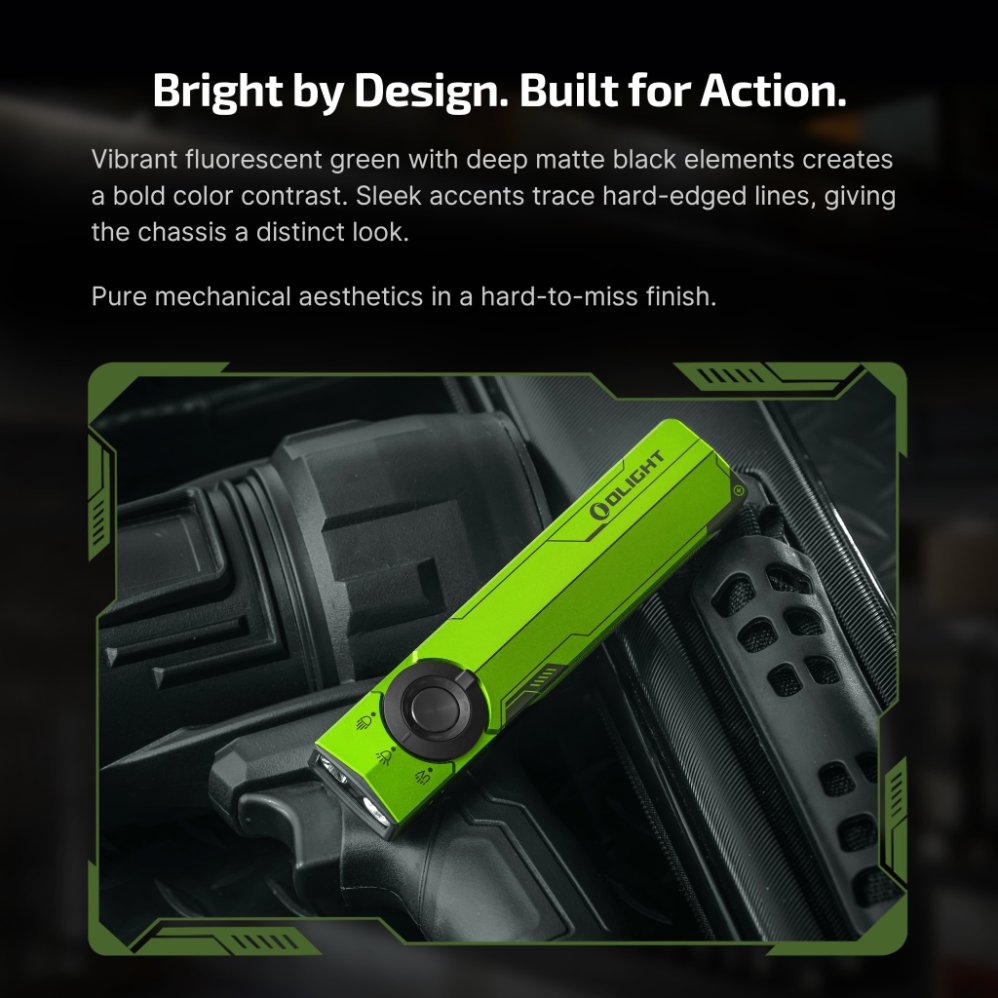
Sneaker resale deals often happen in places that are not ideal for a detailed inspection. Buyers and sellers may meet in parking lots, shopping centers, cafés, or other public locations where the lighting is uneven. A pair can look clean under ordinary lighting but reveal details that deserve a closer look when examined from different angles. Taking time to inspect the materials, stitching, labels, and construction helps both parties make a more informed decision before exchanging money.
A small inspection kit can make these meetings more productive. White light helps reveal surface marks and construction details, while ultraviolet (UV) light may highlight certain residues or differences in materials. Neither tool can establish authenticity on its own, but using them carefully can help buyers identify questions that need further investigation. The goal is not to declare a sneaker genuine or counterfeit based on one observation; it is to gather useful information before completing the transaction.
Why Resellers and Buyers Bring Their Own Light
Sneaker authentication involves more than checking a logo or comparing a shoe with photographs online. Buyers may need to examine stitching, material texture, labels, glue lines, sole construction, and signs of wear. These details can be difficult to assess when photographs are poorly lit or an in-person meeting takes place after sunset. Bringing a personal light source gives buyers greater control over the inspection and reduces their dependence on the lighting available at the meeting place.
A portable light is also useful for sellers who want to show a pair’s condition clearly. Scuffs, discoloration, creasing, and repairs may be difficult to see in dim surroundings, even when the seller has nothing to hide. Inspecting the shoes together under consistent lighting can help both parties discuss their condition more accurately. It also creates an opportunity to ask about purchase history, original packaging, receipts, and any professional authentication records.
Meeting Up in Low Light: The Case for a Real Flashlight
Phone lights are convenient, but they may not provide the handling or lighting control needed for a careful inspection. A dedicated flashlight can help illuminate the toe box, heel, outsole, stitching, and other areas without requiring the buyer to hold a phone in an awkward position. It is especially helpful when inspecting a pair outdoors or in a busy public location where the available light changes as people move around.
Examine the Pair from Several Angles
Begin by looking at the overall shape and condition of both shoes. Use white light to inspect the upper, seams, logos, midsole edges, and outsole pattern. Move the light gradually rather than concentrating on one small area, and compare the left shoe with the right. Differences do not automatically indicate a problem because manufacturing variations and ordinary wear can affect appearance, but noticeable inconsistencies may justify additional questions. If the shoes are advertised as new, pay attention to marks, adhesive residue, damaged packaging, or signs of previous use that do not match the seller’s description.
A dedicated light is most useful when combined with a calm, systematic inspection. Avoid rushing simply because other people are waiting or the seller appears eager to finish the transaction. If a detail is difficult to see, change the angle or move to a better-lit location. Clear visibility helps both parties discuss what they can actually observe instead of relying on assumptions.
How a Black Light Flashlight Fits Into a Legit Check
Ultraviolet light can add another layer to a sneaker inspection because some materials, residues, inks, and treatments react differently under UV illumination. However, these reactions depend on the materials and manufacturing processes involved. A bright or unusual response is not proof that a sneaker is genuine, and a lack of visible fluorescence does not prove that it is counterfeit. UV inspection is best treated as a supplementary check that may reveal details worth examining more closely.
Black Light Flashlight Inspection Steps
When using a black light flashlight, start in a suitable area where ambient light will not overwhelm the effect. Examine one section at a time, including selected areas of the upper, the edges where the upper meets the midsole, visible stitching, and relevant labels or tags. Look for differences between corresponding areas of the two shoes, unexpected residue, or patterns that seem inconsistent with the rest of the pair. Record what you observe rather than immediately assigning a meaning to it.
Next, switch back to ordinary white light and inspect any areas that attracted your attention. A UV reaction may help you locate residue or a difference in surface material, but white light provides a more familiar view of color, texture, damage, and construction. Compare the observations with reliable references for the exact model and release, where available. Because adhesives, dyes, cleaning products, and different materials can all affect UV responses, an observation should lead to further checking rather than an instant verdict.
What to Look At: Glue Lines, Stitching, Labels and Midsoles
Glue lines around the upper and midsole are one area buyers may want to examine closely. Look for uneven application, unusual residue, or differences between corresponding sections of the left and right shoes. UV light may make some residues easier to notice, but normal manufacturing adhesive can also remain visible, and different products react differently. The presence of a visible line or a particular UV response does not establish whether a shoe is authentic. Compare the overall construction and look for multiple independent details rather than relying on adhesive appearance alone.
Stitching deserves a similar approach. Check whether the seams appear consistent, whether there are loose threads or irregular gaps, and whether both shoes show broadly similar construction. Use white light to examine stitch spacing and material edges, then use UV illumination as an additional observation tool if you have a reason to check a specific area. Not every thread, dye, or treatment will react in the same way, so an unexpected result should be interpreted cautiously.
Labels, tags, and midsoles can provide further points of comparison. Inspect printed text for clarity, look at label placement, and compare the midsole shape and finish with dependable references for the exact model. If the seller provides a box, receipt, or other documentation, check that the details are consistent with the pair being offered. Packaging and paperwork can also be copied or mismatched, so they should support the overall assessment rather than replace it. The strongest inspection comes from considering several details together, including construction, materials, condition, and the seller’s available records.
Limits of UV: When to Rely on a Professional Authenticator
UV inspection has clear limitations. Manufacturers may use different adhesives, dyes, finishes, and production processes across models, colorways, and production periods. Cleaning products or repairs can also affect how a used sneaker appears under ultraviolet light. As a result, two authentic pairs may not show identical reactions, while a counterfeit pair may imitate some visible characteristics of a genuine product. Without reliable model-specific reference information, it can be difficult to know whether a particular response is meaningful.
Treat Unusual Findings as Questions, Not Proof
If you notice an unexpected reaction, inconsistent stitching, or questionable labeling, take photographs where practical and ask the seller for an explanation. Compare the details with reliable references and consider whether several separate issues point toward a larger concern. A single irregularity may have an ordinary explanation, particularly on used sneakers that have been cleaned, repaired, or worn extensively. Equally, a pair that looks convincing under UV light should not automatically be considered authentic.
For higher-value purchases, limited-edition releases, or transactions where authenticity remains uncertain, a reputable professional authentication service is a better choice than relying on a pocket inspection alone. Professional services may use broader reference information and additional assessment methods that are not available to a casual buyer. Review the service’s process and terms before submitting a pair, and avoid representing your own UV observations as a professional authentication result. A careful buyer understands both what a tool can reveal and what remains uncertain.
A Pocket-Friendly Tool for Meetups: Olight ArkPro
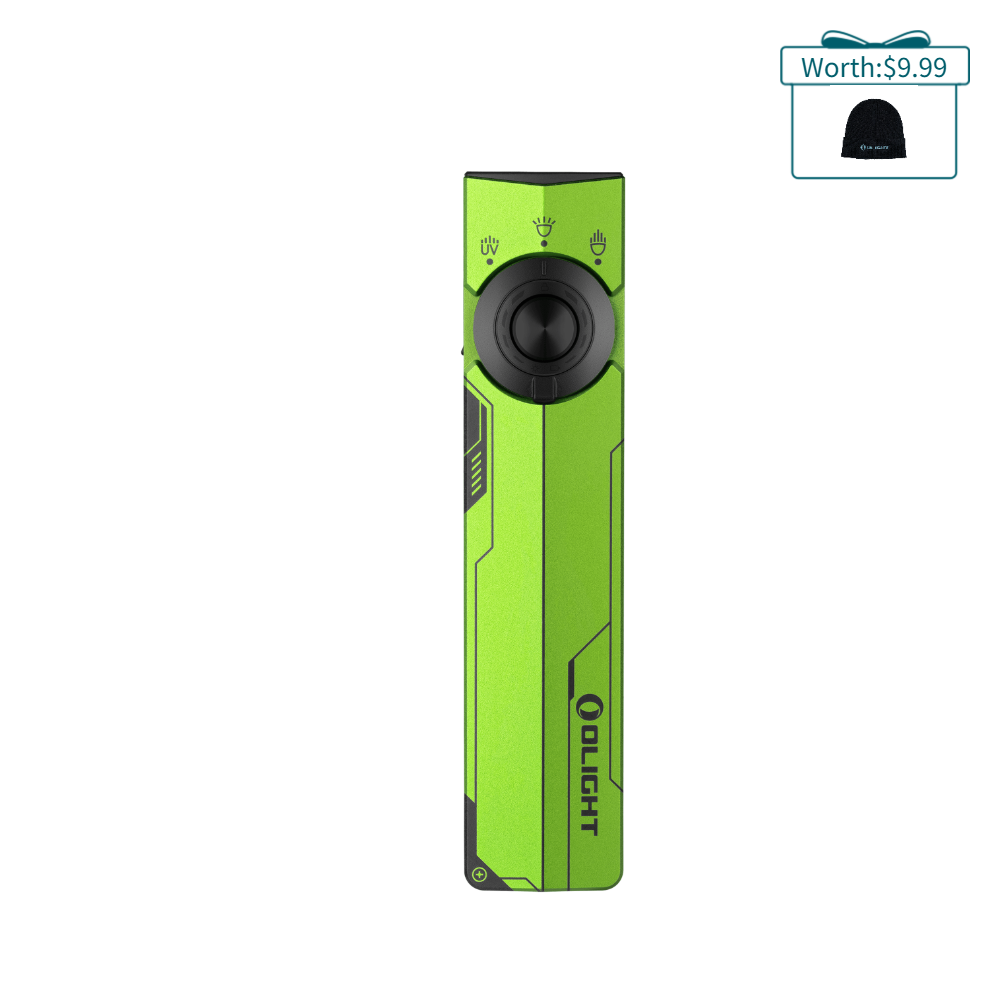
An inspection light is more useful when it is easy to bring along. The Olight ArkPro is a flat-bodied everyday-carry light that combines white-light functions with a 365 nm UV light. Its UV function provides another way to examine selected surfaces during a sneaker meetup, while its white-light options can help illuminate construction details and the general condition of a pair. The flat design can be convenient for pocket carry, allowing buyers to include a light in a small inspection kit without carrying a large handheld device.
Use Each Lighting Mode for the Right Task
For an initial overview, a wider flood beam can help illuminate the shoe and its surrounding area. A more focused beam can then help direct attention toward smaller details, such as a seam, label, or midsole edge. The UV function can be used for a separate, supplementary check of selected areas, but its observations should always be considered alongside the shoe’s visible construction and other evidence. Before the meetup, review the manufacturer’s instructions for the specific model so you understand its controls and how to switch between available lighting functions.
The ArkPro is a tool for inspection, not an authentication guarantee. It cannot independently verify a sneaker’s origin, production history, or authenticity. Buyers should still compare the pair with dependable references and use a professional service when the value or uncertainty of the transaction warrants it. Keeping these limitations in mind helps prevent a useful lighting tool from becoming the basis for an unsupported conclusion.
UV Safety and Fair-Dealing Tips for Face-to-Face Trades
UV lights require responsible handling. Never shine the beam into your eyes or another person’s eyes, and follow the manufacturer’s safety guidance for the particular device. Avoid pointing the light toward people who are not involved in the inspection, and do not assume that a beam is harmless simply because it appears dimmer than ordinary white light. Use the device only as directed, and switch it off when the inspection is finished. If you have concerns about exposure or safe operating distance, consult the product instructions rather than guessing.
A small inspection light can make sneaker resale meetups more informative, especially when buyers combine white-light examination with cautious UV checks. The most reliable approach is to look at several details, compare them with trustworthy references, and recognize when professional authentication is necessary. Used this way, a flashlight and UV light can support better questions and more informed decisions without promising certainty that the tools cannot provide.