
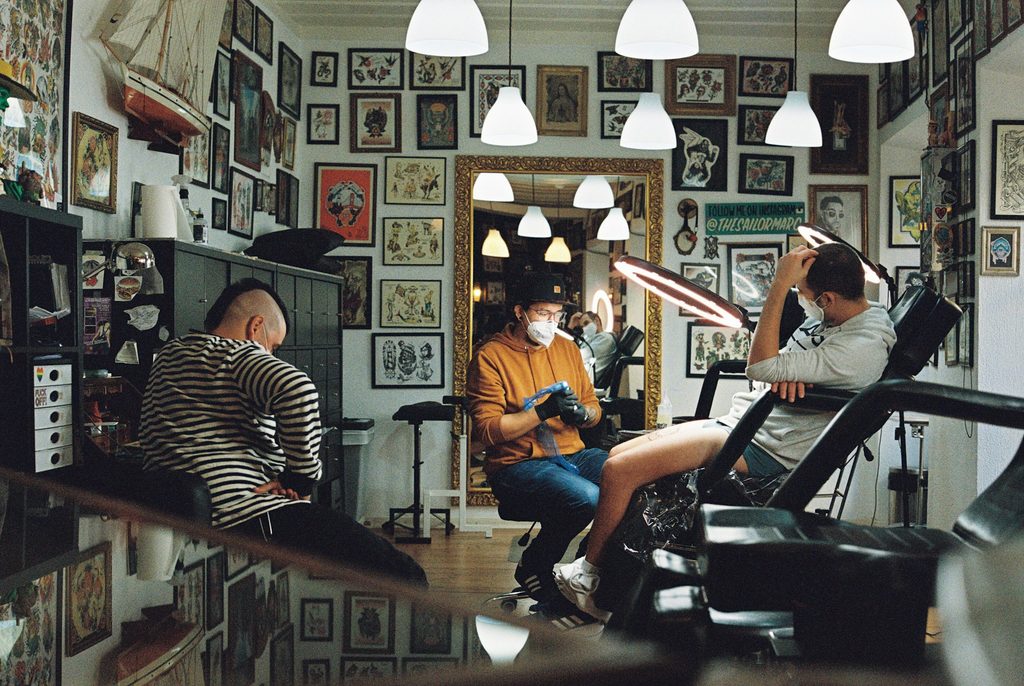
Tattoo culture has long treated discomfort as part of the experience, but modern clients increasingly expect care that respects their limits. That shift gives people more control over an appointment that may last several hours. Since tattoo-related pain varies with placement, session length, and individual sensitivity, comfort deserves a place in the conversation alongside design, technique, and aftercare.
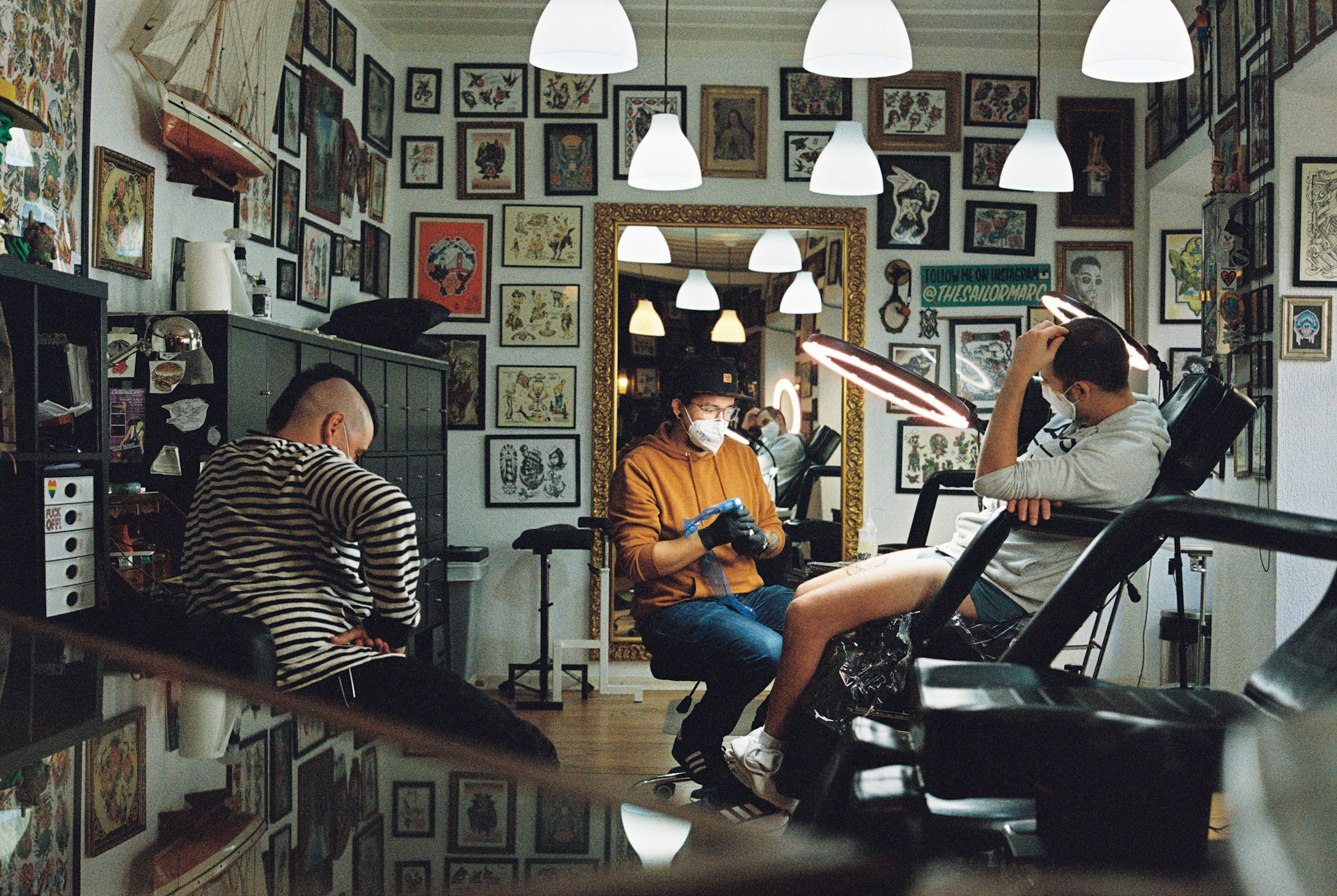
Unpacking the Old-School Pain Ethic
The traditional pain ethic grew from tattooing’s association with endurance, commitment and tight-knit subcultures. Sitting through discomfort became a story people told afterward, sometimes with genuine pride. The problem starts when that attitude turns into pressure, leaving clients embarrassed to request a pause or admit that they feel overwhelmed.
Pain tolerance differs widely, and it says nothing about someone’s commitment to a design. Hunger, poor sleep, anxiety, and a long appointment can all change how a session feels. Artists can help by discussing breaks during the consultation, especially for first tattoos. For those who like the look of body art but aren’t ready for a permanent commitment or a potentially uncomfortable session, trying a temporary tattoo is another option. It allows them to experiment with different designs and placements before deciding whether to get permanent ink. Clients should also arrive rested, eat a balanced meal beforehand, and speak up before discomfort becomes dizziness or nausea.
How Modern Studios Shifted Priorities
A modern studio treats client comfort as part of professional service. That starts before the appointment with clear information about session length, placement, and what sensations to expect. During the session, adjustable seating, privacy screens, steady communication, and planned breaks can reduce physical strain without interrupting the artist’s workflow.
Some clients also ask about topical options. Products such as Tktx numbing cream should be discussed with the artist before the appointment, since timing, skin condition, and studio policies matter. Clients should follow the product directions and review topical pain-relief product safety, particularly if they have allergies, sensitive skin, or a medical condition. Applying an unfamiliar product without telling the artist can affect the skin and disrupt a carefully planned session.
Tactical Relief for Tough Placements
Areas close to bone, joints, or thin skin may feel more intense, while large pieces can become difficult simply because the body has been in one position for hours. Break the work into shorter appointments when the design allows. Two three-hour sessions may be more manageable than one six-hour booking, and the artist gains a fresh working surface after healing.
Positioning also matters. A cushion under the knee, support beneath the arm, or a small adjustment to the chair can ease muscle tension that has little to do with the tattoo itself. Agree on a simple pause signal before work begins, then use breaks for water, a light snack, and gentle movement. Avoid experimenting with new skincare products on the day, as irritation can make a sensitive area harder to work with.
Creating a Welcoming Studio Environment
Comfort is also emotional. A client who understands what’s happening is less likely to tense up, which can make it easier to remain still. Studios can set that tone through friendly check-ins, transparent pricing, and consultation forms that invite clients to mention accessibility needs, sensory sensitivities, or previous difficult experiences.
Small details carry surprising weight. A clean waiting area, easy access to water, comfortable room temperature, and music kept at a reasonable level all help. Artists can explain when they’re changing position or approaching a tender section, while clients can ask about privacy and breaks without feeling demanding. Clear aftercare instructions should finish the experience, including guidance on washing, moisturizing, and spotting signs that require professional medical advice.
A tattoo can still represent courage, memory, or personal change without turning the appointment into an endurance contest. The best studios leave clients proud of the artwork and comfortable enough to return for the next idea.