
Your feet carry every step you take — thousands of them a day, absorbing several times your body weight with each one. When something goes wrong down there, everything above it compensates. That is why proper physiotherapy treatment for foot pain looks at far more than the sore spot: it examines how you walk, stand and move, and finds the real cause before it turns into knee, hip or back trouble.
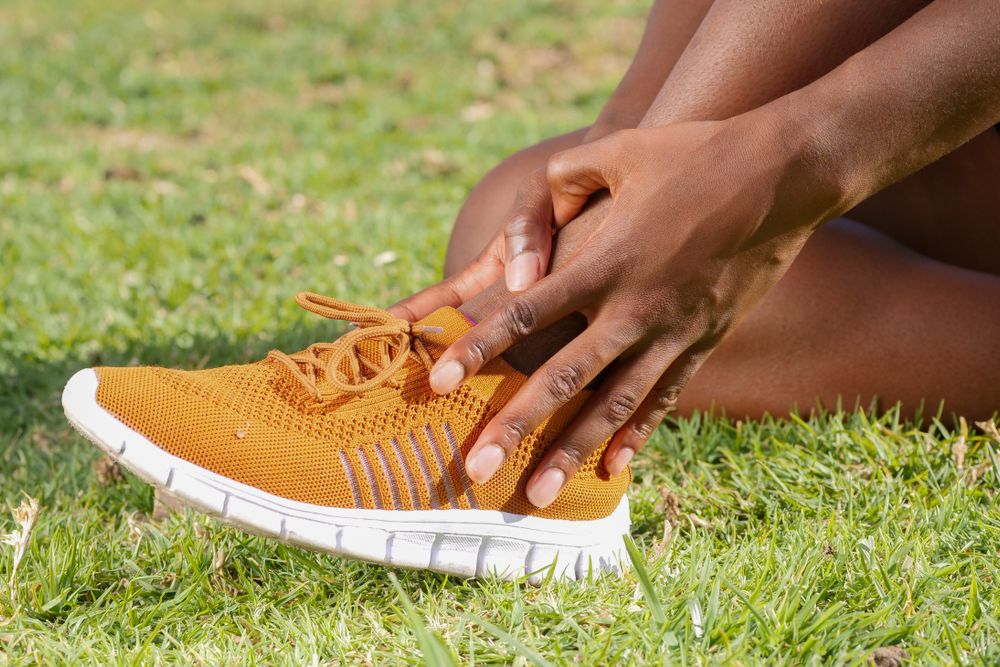
Foot pain rarely arrives without a reason. A new running programme, longer shifts on hard floors, worn-out shoes or an old ankle sprain that never fully healed can all overload the structures of the foot until they finally protest.
The encouraging part is that most foot pain responds very well to the right programme. Surgery is rarely the first answer. In the majority of cases, the solution is a smarter balance of load, strength and footwear, guided by someone who understands how the whole leg works.
Common Causes Your Physio Will Check
Plantar fasciitis — irritation of the tough band of tissue along the sole — is the most frequent culprit, famous for sharp heel pain with the first steps of the morning. Achilles tendinopathy, shin splints, stress reactions in the metatarsal bones and ankle instability after sprains are also very common.
A physiotherapist assesses strength, flexibility, footwear and gait, sometimes watching you walk or run on a treadmill. Small details matter: a stiff big toe, weak calf muscles or one leg quietly doing more work than the other can explain months of stubborn pain.
Imaging is not always needed. A careful physical assessment often explains the problem clearly, and scans are reserved for cases that are not improving as expected or where a stress fracture is suspected. That keeps treatment focused on you, not just on a picture.
Runners, nurses, retail staff and tradespeople are regulars in foot clinics, but so are new parents carrying babies all day and anyone who has suddenly doubled their daily step count. The pattern matters more than the job title: load that rises faster than the body can adapt is the usual story.
How Treatment Builds You Back Up
Treatment usually starts with calming things down: managing how much load goes through the foot, taping or orthotics advice, hands-on therapy and simple exercises that keep the foot moving without flaring it up. Ice after a long day and better footwear can make a surprising difference in the first few weeks.
From there, good physiotherapy and injury rehabilitation care follows a clear progression: restore full movement, rebuild strength in the foot, calf and hip, then retrain balance and the specific movements your sport or job demands. Each stage has goals, so you always know exactly what you are working towards and why.
Runners might finish with a graded return-to-running plan. Someone on their feet all day at work might focus more on endurance and footwear. The destination differs, but the route — assess, calm down, strengthen, retrain — stays much the same.
When to Get Help Sooner
Most foot pain settles with the approach above, but some signs should not wait. Pain after a fall or twist that leaves you unable to bear weight, sudden swelling, numbness, or pain that keeps getting worse despite rest all deserve a prompt professional assessment.
Diabetes changes the rules completely. Reduced circulation and sensation mean small foot problems can become serious quickly, so any new pain, sore or colour change should be checked without delay. When in doubt, earlier is always better than tougher.
Children’s foot pain deserves the same respect. Growing feet have growth plates that adults do not, so persistent pain in a young athlete is always worth a proper look rather than a shrug.
What You Can Do at Home
Daily habits speed recovery along. Roll a frozen water bottle under the arch for a few minutes after a long day, stretch your calves against a wall morning and evening, and scrunch a towel with your toes to wake up the small muscles inside the foot.
Keep a simple pain diary for the first few weeks. Note what you did, how the foot felt during it, and how it felt the next morning. That pattern is gold for your physio — it shows exactly which loads you are ready for and which need more time.
Check your shoes honestly while you are at it. If the tread is worn smooth or the heel counter has collapsed inwards, the shoe is no longer supporting you. Replacing worn footwear is often the cheapest treatment of all.
Rotate your shoes if you can, especially for work. Giving foam a day to recover between wears keeps its cushioning honest, and alternating pairs spreads the pressure patterns on your feet instead of repeating the same one daily.
Most importantly, respect the timeline. Tissue heals in weeks, not days, and doing a little of the right work every day beats one heroic session followed by a week of pain. With the right plan and a little patience, most people get back to walking, working and training without thinking about their feet at all — which is exactly how it should be.