
Modern vehicles rely on electricity from the moment you unlock the doors. The electrical system starts the engine, powers safety features, runs climate controls and keeps dozens of onboard computers communicating. Even a minor voltage problem can cause strange symptoms, from flickering lights to seemingly unrelated warning messages.
Understanding the main components and early signs of trouble can help you explain a problem clearly, avoid unnecessary part replacements and know when professional testing makes sense.
What powers your car’s electrical system
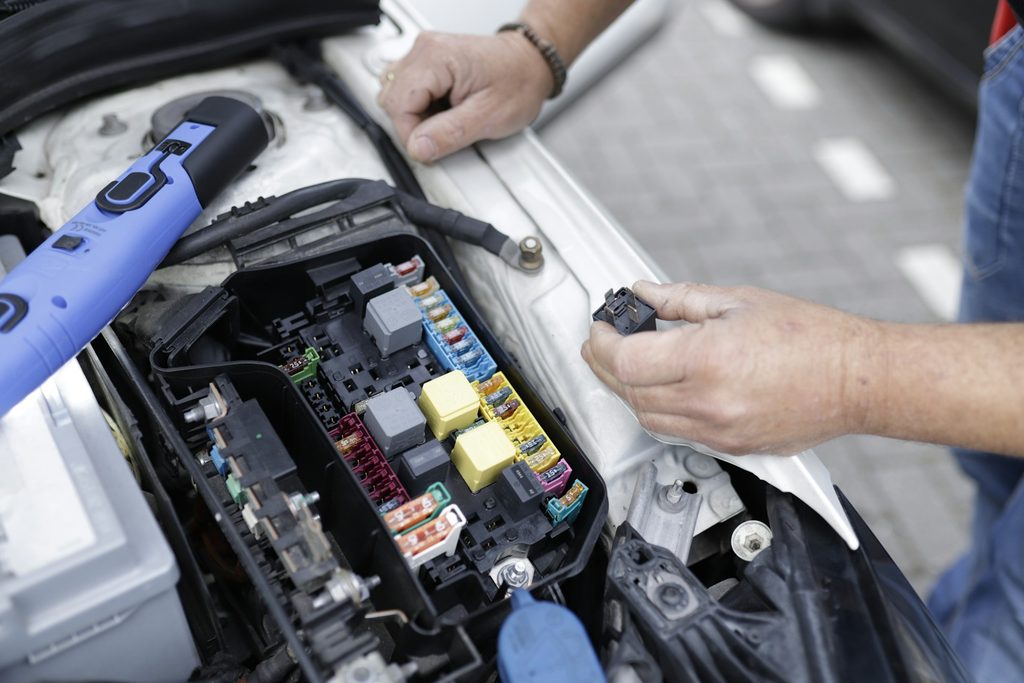
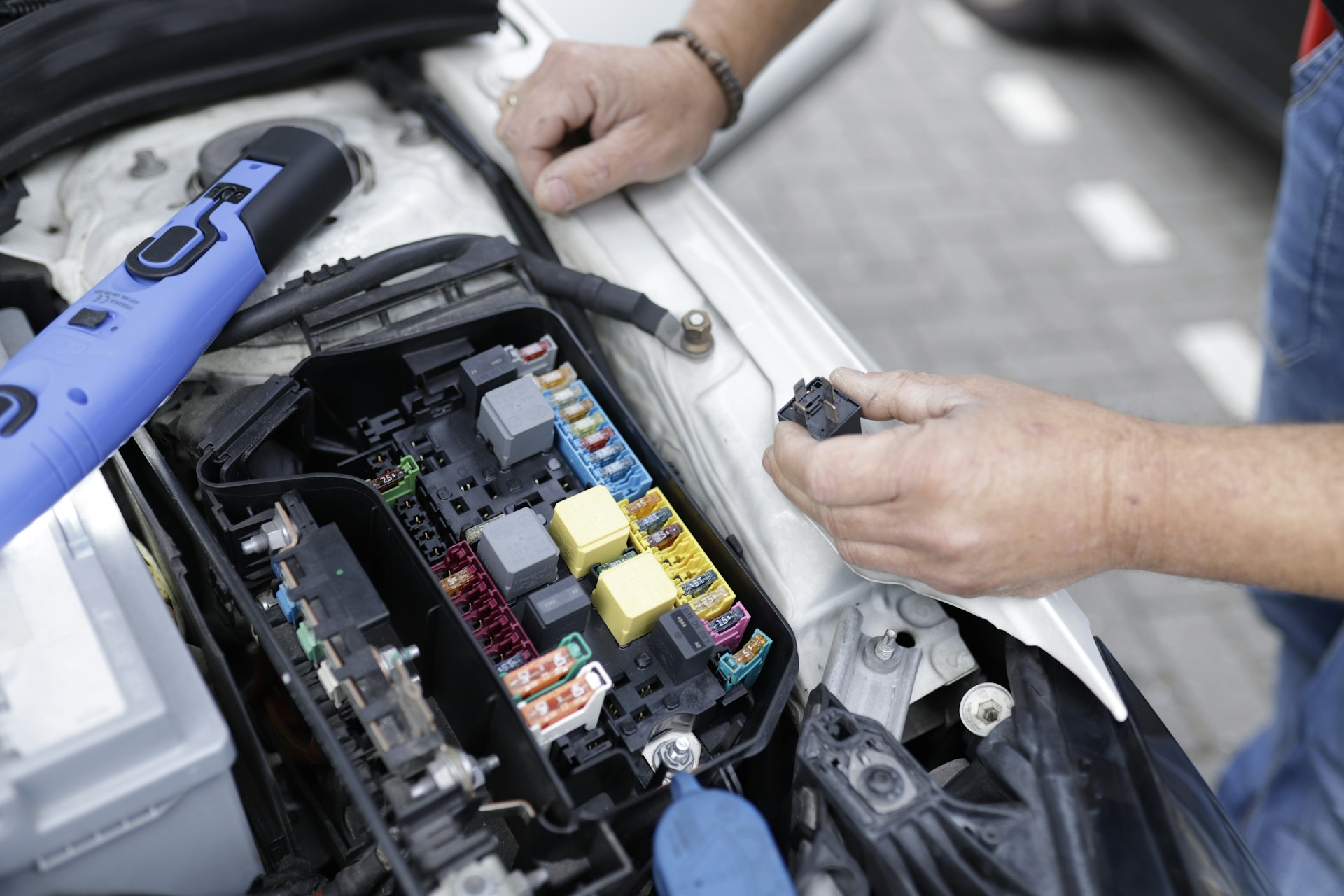
In a conventional car, the battery supplies electricity when the engine is off and provides the initial current needed to start it. Once the engine is running, the alternator generates power for electrical equipment while recharging the battery. Wiring, fuses and control modules distribute and manage that energy.
These parts operate as a single system, so the obvious symptom may not reveal the true fault. A battery that repeatedly goes flat could be old, but it might also be affected by poor charging, a loose connection or a component drawing power after the vehicle has been switched off. Proper voltage and current tests help separate these possibilities.
When warning signs need professional attention
Book an inspection if the engine turns over slowly, lights dim at idle or electrical features work intermittently. A burning smell, repeated fuse failure or visible corrosion around electrical connections also calls for prompt attention. Stop using any affected feature until it has been checked.
A technician offering auto electrical diagnostics can test the battery and charging system, inspect the wiring, and check for excessive current draw. This is more useful than replacing parts based on a dashboard message alone. Note when the fault occurs, what equipment was running and whether weather conditions affected it. Those details can shorten the diagnostic process, especially with an intermittent issue that disappears at the workshop.
Small habits that reduce electrical trouble
Keep the top of the battery clean and look for loose terminals during routine maintenance. If the vehicle will sit unused for several weeks, follow the manufacturer’s storage guidance, as alarms, keyless entry systems, and connected features may continue to draw a small amount of electricity.
Pay attention to changes after accessories are installed. Phone chargers, cameras, audio equipment, and auxiliary lighting can cause problems if their wiring or power requirements aren’t suitable for the vehicle. Unplug removable devices when you park overnight.
Short trips also deserve attention. A five-minute drive may not replace the energy used during startup, especially in cold weather. Regular longer drives can help, provided the battery and charging system are already in sound condition.
Modern electronics change the diagnostic process
Current vehicles contain electronic control units that manage functions such as engine operation, braking assistance, steering, lighting and cabin temperature. These modules exchange data across communication networks. Low voltage or a damaged connection can interrupt that exchange and cause several warning lights to illuminate at once.
A scan tool can retrieve fault codes, but a code provides a starting point rather than a complete diagnosis. Technicians may still need to measure voltage under load, inspect connectors and compare live sensor readings with manufacturer specifications.
Software also matters. Some faults require a module update or recalibration after repair. Before disconnecting or replacing a battery yourself, check the owner’s manual, as some vehicles require battery registration or system resets.
Electric vehicles still have electrical basics
Electric vehicles use a large high-voltage battery for propulsion, yet most also have a smaller low-voltage system for computers, locks, displays and other everyday functions. If that smaller battery fails, the vehicle may appear completely unresponsive even when the main traction battery has plenty of charge.
Owners should follow scheduled inspections and leave high-voltage components to trained technicians. The EPA’s guide to electric vehicle myths provides useful context on batteries, emissions and charging. A separate overview of electric car benefits explains efficiency and running-cost considerations. Those broader advantages don’t remove the need for basic checks on connections, cooling systems and low-voltage equipment.
Give electrical symptoms useful context
Dashboard warnings deserve attention, but there’s no need to assume the worst when one appears. Check the owner’s manual, record the exact message and notice how the vehicle behaves. If several unrelated systems fail together, unstable voltage may be the common cause.
Avoid repeatedly attempting to start a vehicle that turns over slowly, as each attempt further drains the battery. If a fuse blows again after replacement, don’t install one with a higher rating. That can allow excess current to damage wiring or connected equipment.
Clear notes and timely testing give a technician a better chance of finding the fault before it leaves you stuck. Your car’s lights, displays and startup sound often provide the first clues, so treat a change in their normal behaviour as useful information.