
Portable power station maintenance plays a crucial role in preserving battery capacity, improving performance, and extending equipment lifespan. Although modern power stations use advanced battery technology, improper charging, excessive heat, and poor storage habits can gradually reduce their efficiency.
Regular maintenance helps prevent premature battery degradation and keeps your power station ready for emergencies, outdoor activities, and everyday backup power needs. By following practical charging, storage, and inspection guidelines, you can protect your investment and maintain reliable power delivery for years to come.

How Proper Maintenance Extends Portable Power Station Battery Life
Understand Battery Types and Their Lifespan
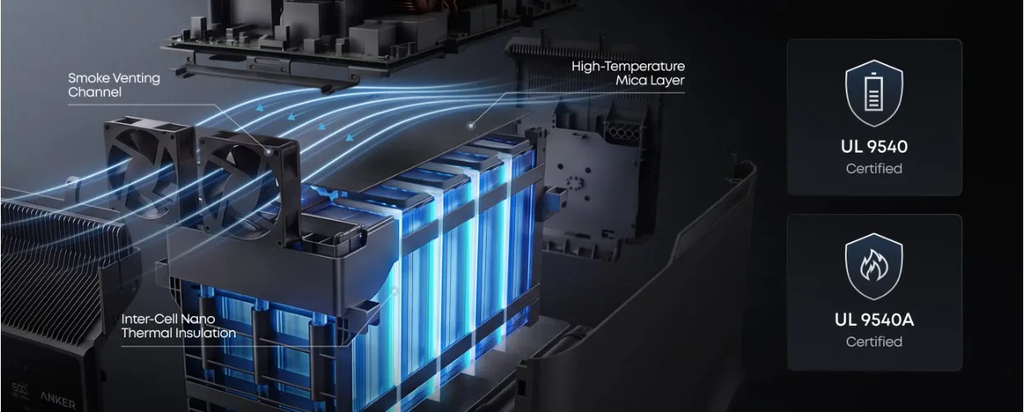
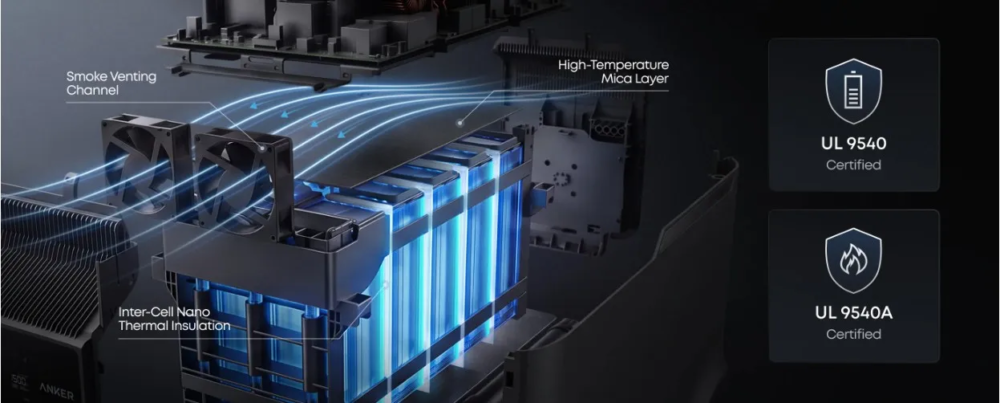
Battery chemistry directly affects durability and maintenance requirements. Lithium iron phosphate (LFP) batteries generally offer longer cycle life than traditional lithium-ion alternatives using nickel-based cathodes. For example, the Anker SOLIX S5000 Portable Power Station uses utility-scale-grade 314Ah LFP cells and is rated for 10,000 charge cycles and a 15-year lifespan. These specifications highlight the potential longevity of advanced LFP technology.
Know What Causes Battery Capacity to Decline
Battery capacity gradually decreases through chemical aging and repeated charge-discharge cycles. High temperatures accelerate internal degradation, while frequent deep discharges and prolonged storage at extreme charge levels can increase battery stress. Heavy electrical loads may also generate additional heat. Understanding these factors helps users develop better charging routines, prevent unnecessary wear, and preserve usable battery capacity over time.
Recognize Early Signs of Battery Wear
Early battery deterioration often appears as shorter runtimes, unexpected shutdowns, or noticeably reduced charging efficiency. A power station that drains faster under familiar loads may have lost some usable capacity. Monitor battery percentage readings, charging behavior, and unusual temperature changes. If you notice swelling, strange odors, or excessive heat, stop using the unit and contact the manufacturer immediately.
Best Charging Habits to Protect Your Portable Power Station Battery
Avoid Frequent Deep Discharges and Overcharging
Repeatedly draining a battery to nearly zero can increase wear over time. For everyday use, keeping the charge roughly between 20% and 80% can reduce stress when the manufacturer supports this approach. Modern battery management systems typically prevent electrical overcharging, but leaving a battery at 100% for extended periods may accelerate aging. Charge fully when necessary for backup power, and avoid unnecessary deep discharge cycles.
Use Compatible Chargers and Follow Recommended Charging Limits
Always use manufacturer-approved chargers, cables, and charging accessories that match your power station’s voltage, current, and connector requirements. Incompatible equipment can cause overheating, charging failures, or electrical damage. Follow the recommended AC, solar, and vehicle charging limits specified in the user manual. When adjustable charging speeds are available, choose slower charging for routine use if practical, since reducing heat generation can help protect battery health.
Manage Battery Temperature During Charging and Use
Temperature control is essential for maintaining portable power station battery performance. Charge and operate the unit within the manufacturer’s specified temperature range, avoiding direct sunlight, enclosed vehicles, and nearby heat sources. Keep ventilation openings unobstructed to support effective cooling. Never charge a lithium battery below its permitted charging temperature. If the unit becomes unusually hot, disconnect the load or charger and allow it to cool safely before continuing.
How to Store and Maintain Your Portable Power Station Safely
Store Your Power Station at the Recommended Charge Level
Proper storage helps minimize battery degradation during extended periods of inactivity. Many lithium-based power stations benefit from a partial charge, often around 40% to 60%, but the manufacturer’s storage recommendations should take priority. Avoid leaving the battery completely discharged or fully charged for months. Check its remaining capacity periodically and recharge according to the manual to compensate for gradual self-discharge and standby power consumption.
Choose a Cool, Dry, and Well-Ventilated Storage Location
Store your portable power station in a clean, dry environment away from direct sunlight, moisture, and extreme temperatures. A temperature-controlled indoor space generally provides better protection than an attic, garage, or parked vehicle exposed to seasonal heat. Maintain sufficient clearance around ventilation openings and keep the unit away from flammable materials. Protect it from condensation, dust accumulation, and accidental impacts that could damage internal components.
Clean Ports, Inspect Cables, and Check Battery Health Regularly
Routine inspections help identify minor issues before they affect performance or safety. Turn off the power station and disconnect all accessories before cleaning. Use a soft, dry cloth to remove dust from exterior surfaces and accessible ports. Inspect charging cables for fraying, loose connectors, or damaged insulation. Check battery status indicators, review available diagnostic information, and install manufacturer-approved firmware updates when recommended to maintain reliable operation.
Conclusion
Extending portable power station battery life requires consistent charging habits, proper temperature management, and safe storage practices. Avoid unnecessary deep discharges, use compatible charging equipment, and maintain the recommended storage charge level. Regular cleaning and battery health checks can also reveal potential problems early. By following these practical maintenance tips and your manufacturer’s instructions, you can reduce premature battery wear, preserve usable capacity, and keep your power station dependable for years.