

Regular solar generator maintenance helps preserve battery health, maintain charging efficiency, and ensure reliable electricity throughout the year. Seasonal changes introduce different challenges, from summer heat and accumulated dust to winter freezing temperatures and reduced sunlight.
Without proper care, these conditions can affect performance and shorten equipment lifespan. Following a consistent maintenance routine helps prevent avoidable problems. This seasonal checklist covers essential inspections, cleaning procedures, battery care, and safe storage practices.

Essential Solar Generator Maintenance Tasks for Every Season
Inspect the Battery, Connections, and Charging Ports
Inspect your generator’s battery condition, charging ports, and electrical connections regularly. Look for loose connectors, corrosion, damaged cables, or unusual battery warnings. Make sure ports remain clean, dry, and free from debris. Check the battery charge level and review any available diagnostic information. If you notice swelling, overheating, or damaged components, stop using the equipment and contact the manufacturer for assistance.
Clean Solar Panels and Check for Physical Damage
Clean solar panels periodically to remove dust, pollen, bird droppings, and other debris that can obstruct sunlight. Follow the manufacturer’s cleaning instructions, using suitable soft materials and avoiding abrasive chemicals. Inspect panel surfaces for cracks, scratches, or discoloration. Check mounting hardware and frames for looseness or damage. Keeping panels clean and structurally sound supports consistent energy generation throughout changing seasonal conditions.
Test Power Output and Monitor Battery Performance
Regularly testing your solar generator helps ensure reliable performance and identify potential issues before they affect operation. Connect a compatible device to verify that the power output functions correctly, and monitor battery percentage, charging behavior, and estimated runtime for unusual changes. Battery quality also plays an important role in long-term reliability. The Anker SOLIX S2000 incorporates next-generation 314Ah lithium iron phosphate (LFP) cells derived from utility-scale energy storage, bringing industrial-grade battery durability to everyday power needs. Consistent performance checks and proper battery maintenance help keep the system ready for use.
Spring and Summer Solar Generator Maintenance Checklist
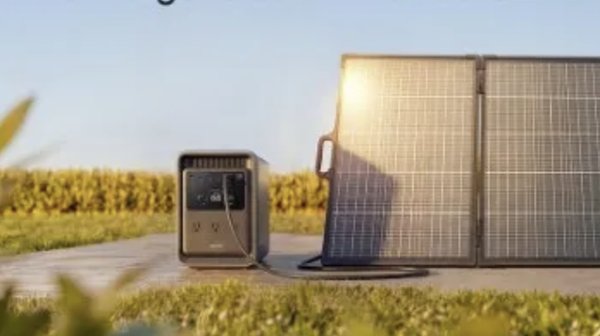
Spring: Remove Winter Dust and Inspect Solar Panel Connections
Spring is an ideal time to inspect your generator after months of cold weather, reduced sunlight, or storage. Remove accumulated dust from the unit’s exterior and clean solar panels according to manufacturer instructions. Examine connectors, cables, and mounting hardware for damage caused by winter moisture or temperature fluctuations. Check that solar panels remain securely positioned and unobstructed by new vegetation. Test charging performance during clear weather to confirm normal operation. Address any damaged connections before increasing solar charging activity during warmer months.
Summer: Prevent Overheating and Improve Ventilation
High summer temperatures can place additional stress on batteries and electronic components. Position your generator in a shaded, well-ventilated location, keeping cooling vents clear of obstructions. Avoid leaving the unit inside parked vehicles or enclosed spaces where heat accumulates quickly. Maintain the manufacturer’s recommended clearance around the equipment and monitor temperature warnings during demanding use. If overheating triggers protective shutdowns, reduce electrical loads and allow the unit to cool safely. Proper ventilation helps maintain stable performance and supports long-term battery health.
Summer: Monitor Solar Charging Efficiency and Battery Temperature
Long summer days offer extended solar charging opportunities, but excessive panel temperatures can reduce electricity generation efficiency. Monitor charging input and battery temperature during periods of intense sunlight. Keep solar panels positioned for effective sun exposure while allowing airflow beneath them. Check whether dust buildup or nearby shading affects charging performance. Avoid charging the battery outside its specified temperature range, even when sunlight is abundant. Reviewing charging data regularly helps identify unusual performance changes and supports more efficient energy management throughout the summer.
Fall and Winter Solar Generator Maintenance Checklist
Fall: Prepare Your Solar Generator for Reduced Sunlight
As daylight hours shorten, review your generator’s battery capacity and daily energy requirements. Clean solar panels to remove fallen leaves, dirt, and accumulated debris that may block sunlight. Adjust panel orientation or tilt where practical to capture the lower autumn sun. Inspect cables and weather-exposed connections before temperatures drop further. Recharge the battery according to manufacturer recommendations and prepare alternative charging options if necessary. Establish a winter maintenance schedule that includes regular battery checks, equipment inspections, and monitoring of available solar charging opportunities.
Winter: Protect Batteries From Freezing Temperatures
Cold weather can temporarily reduce available battery capacity and restrict charging performance. Check the manufacturer’s operating and charging temperature limits before using your generator outdoors. Store portable units in a dry, temperature-controlled location whenever possible. Avoid charging lithium batteries below their permitted temperature range, as doing so may cause permanent damage. If the battery has been exposed to freezing conditions, allow it to reach an approved charging temperature before recharging. Keep ventilation openings clear when using protective enclosures or manufacturer-approved insulation.
Winter: Clear Snow and Debris From Solar Panels Safely
Snow and ice accumulation can block sunlight and significantly reduce solar panel output. Inspect panels after winter storms and remove loose snow only when conditions allow safe access. Use manufacturer-approved soft cleaning tools and avoid sharp scrapers, excessive pressure, or hot water that could damage panel surfaces. Never climb onto slippery roofs or attempt hazardous cleaning. Allow stubborn ice to melt naturally when removal could cause damage. Once panels are clear, inspect exposed cables and connectors for moisture, wear, or ice-related damage.
How to Store and Maintain Your Solar Generator Between Seasons
Proper storage protects your solar generator from environmental damage and excessive battery discharge during extended periods of inactivity. Before storing the unit, disconnect connected equipment, clean its exterior, and switch off all outputs according to manufacturer instructions. Choose a cool, dry location away from direct sunlight, moisture, and extreme temperatures. Maintain the battery charge level recommended for your specific model and check it at the manufacturer’s specified intervals. Recharge when necessary to prevent deep discharge. Before returning the generator to service, inspect connections, confirm adequate battery capacity, and test its operation.
Conclusion
Seasonal maintenance helps keep your solar generator operating safely and efficiently throughout the year. Regularly inspect electrical connections, clean solar panels, and monitor battery performance. Address overheating risks during summer and protect batteries from freezing conditions during winter. Proper storage and manufacturer-recommended charging practices further support equipment longevity. A consistent maintenance routine helps ensure dependable solar power whenever you need it.