
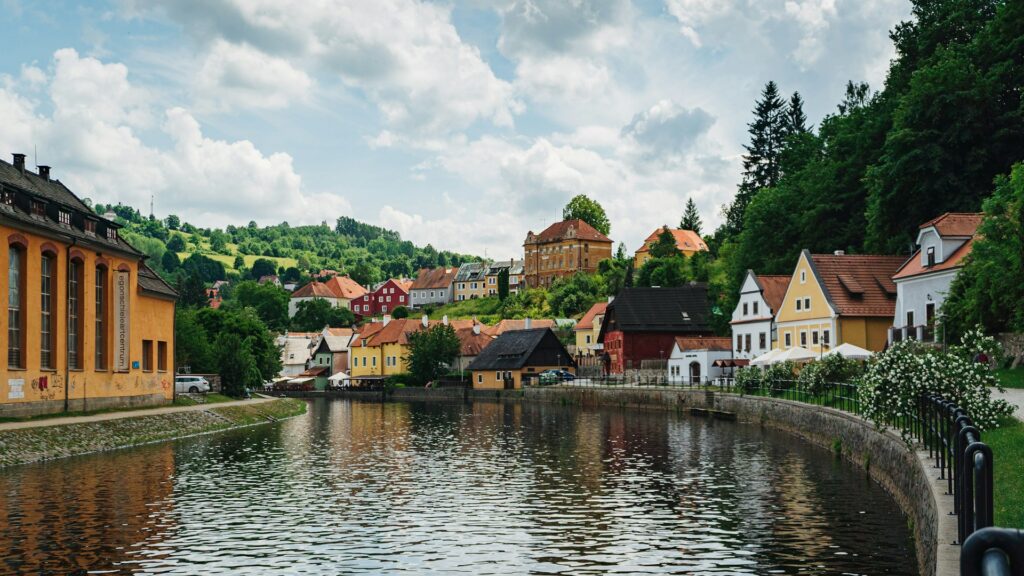
A slower route along a river gives you time to absorb a destination instead of racing between its most photographed sights. The appeal lies in the rhythm: unpack once, watch towns and countryside pass by and arrive close to places that would otherwise require another transfer. For travellers tired of returning home in need of a second holiday, waterway journeys offer a more satisfying way to explore.
The Problem with Whirlwind Itineraries
A short city break can quickly become an exercise in clock-watching. Early flights, hotel check-ins and timed attraction tickets leave little room for an unplanned lunch or an interesting street discovered on the way back. Even a three-night stay may involve enough logistics to eat into a large part of the trip.
The principles behind slow travel favour deeper experiences in fewer places. Try limiting each day to one booked activity, then leave several hours open. You’re more likely to remember a conversation in a family-run café or an evening walk beside the water than six hurried stops completed for the sake of a checklist.
Docking Directly in Historic Town Centres
River vessels can often moor close to the centre of established towns, cutting out long transfers from airports or outlying terminals. You may step ashore and reach a market square, cathedral or riverside promenade within minutes. That convenience preserves energy for exploring, especially when steep streets and summer heat are part of the experience.
Routes such as Douro river cruises to Porto suit travellers who want to combine an urban stay with the terraced scenery of northern Portugal. When comparing itineraries, check the precise mooring points and the amount of free time in each port. A central stop with four independent hours may offer more value than a longer visit built around coach transfers and a tightly managed schedule.
Watching Landscapes Unfold at Eye Level
Travel on water keeps you close to the scenery. Hillsides, vineyards, bridges and villages appear gradually, so the route becomes part of the holiday instead of dead time between attractions. From deck level, you can notice small details such as gardens beside the bank, changing stonework and local boats moving through locks.
This pace also makes it easier to understand how places connect geographically. Bring a compact pair of binoculars and download an offline map before departure, then follow the bends and settlements as they appear. There can be environmental advantages too. Guidance on the climate impact of slow travel highlights the value of reducing frequent, carbon-intensive transfers. Actual impact varies by route and operator, so compare published sustainability information when booking.
Embracing a More Mindful Pace
A calm itinerary still needs some thought. Avoid filling every port day before you leave home. Choose the experiences that genuinely matter, such as visiting one gallery, tasting regional food or taking a guided walk, and protect time for wandering without a fixed destination.
Life on board also provides natural pauses. Meals mark the day, scenery changes outside and evenings don’t require another round of transport planning. Put your phone away for an hour on deck, keep a short travel journal or sketch the view if that helps you pay attention.
The best moment may prove wonderfully ordinary: your vessel leaving a small town as its lights appear along the quay. There’s no dash for a departure gate, only the river carrying the trip onwards.