
Your mouth can reveal changes in your health well before they become obvious elsewhere. Bleeding gums, persistent dryness, enamel wear and slow-healing sores may reflect local dental problems, daily habits or conditions affecting the whole body. None of these signs proves that you have a specific illness, but they deserve attention when they persist.
Regular dental care creates a useful record of changes over time. That record can help you and your healthcare providers spot patterns, investigate possible causes and act before a manageable issue becomes more complicated.
The Surprising Mouth-Body Connection
The mouth-body connection starts with bacteria and inflammation. Your mouth contains hundreds of bacterial species, most of which cause no trouble when brushing, flossing and saliva keep them balanced. If plaque remains along the gumline, however, the tissue can become inflamed and bleed.
Oral changes may also reflect conditions beyond the mouth. Diabetes can make gum problems harder to control, while some autoimmune disorders reduce saliva production. Certain medicines cause dry mouth too. If bleeding, soreness or dryness lasts longer than two weeks, arrange an appointment with a dentist and mention any recent health or medication changes.
Inflammation and Cardiovascular Risks
Gum disease and cardiovascular illness share several risk factors, including smoking, diabetes, age and ongoing inflammation. Researchers have also found associations between poor gum health and higher rates of heart and blood vessel problems. An association does not prove that one condition directly causes the other, so dental treatment should never replace medical cardiovascular care.
Still, controlling oral inflammation has clear benefits. Brush twice daily for two minutes, clean between your teeth once a day and seek care if your gums bleed repeatedly. People with heart conditions should keep both their dental and medical teams informed, especially before procedures or when taking blood-thinning medication.
Early Warning Signs Caught by a Dentist
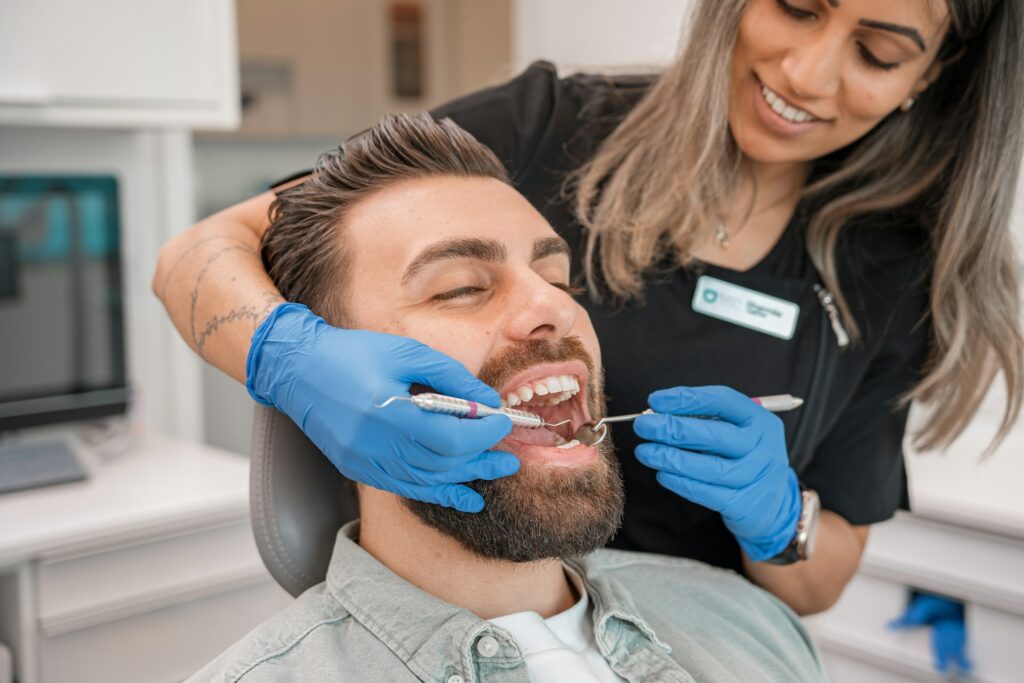
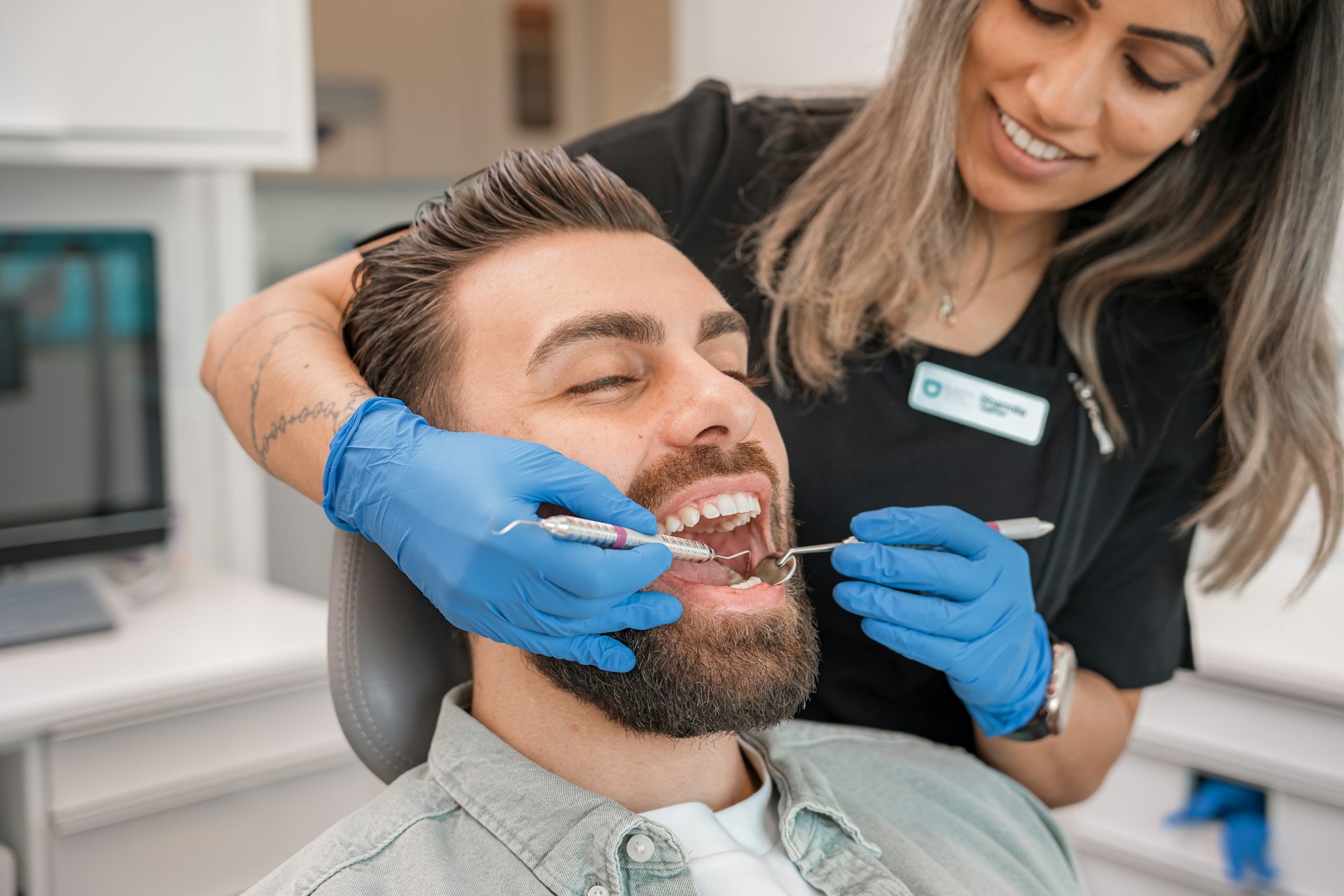
Routine examinations cover more than cavities. A dental professional can check your tongue, cheeks, gums, palate and jaw while comparing current findings with earlier visits. A sore that has not healed after two weeks, an unexplained lump, recurring swelling or a red or white patch may require closer assessment. Recognizing early signs of oral health problems can help you know when a dental concern deserves professional attention.
Dentists may also notice signs of nighttime grinding, acid reflux or reduced saliva flow. Flattened tooth edges can point to grinding, while wear on the inner surfaces may suggest repeated acid exposure. These findings don’t provide a diagnosis on their own. They give you a reason to discuss sleep, digestion, medication or other symptoms with the appropriate healthcare provider.
Nutrition Habits Reflected in Enamel
Frequent acid exposure contributes to enamel erosion, which gradually softens and wears away the tooth surface. Soft drinks, energy drinks, citrus juices and frequent sour snacks can all lower the mouth’s pH. The frequency often matters as much as the amount because saliva needs time to neutralize acid.
Drink water with meals and keep acidic drinks to mealtimes instead of sipping them for hours. After consuming something acidic, rinse with water and wait about 60 minutes before brushing. This gives softened enamel time to reharden. Sensitivity, yellowing or transparent-looking tooth edges can signal wear that needs professional assessment.
Protecting Your Systemic Vitality
A practical oral care routine supports comfortable eating, clear speech and early detection of changes. Use fluoride toothpaste twice a day, clean between teeth daily and replace a worn toothbrush every three to four months. If dry mouth is a problem, sip water regularly and ask whether sugar-free gum or a saliva substitute is suitable for you.
Keep a short note of symptoms that recur, including when bleeding happens, how long sores last and which foods trigger sensitivity. Bring that information to dental visits along with an updated medication list. If you notice facial swelling, trouble swallowing or severe pain with fever, seek urgent care. For everything else, consistency matters most: a stable routine and timely checkups make subtle changes far easier to identify.