
Squat proof leggings earn their name by staying opaque and supportive when the fabric stretches through squats, lunges, deadlifts, and everyday movement. That sounds simple, but not every pair delivers.
Many leggings feel soft in the hand yet turn sheer under tension, slip at the waistband, or lose shape after a few washes. The difference usually comes down to fabric engineering rather than marketing language. Fiber content, knit structure, stretch recovery, fabric weight, and construction all affect whether leggings hold coverage when you bend and move. If you want activewear that performs in the gym and stays reliable over time, it helps to know what separates truly squat proof leggings from pairs that only look good on the hanger.
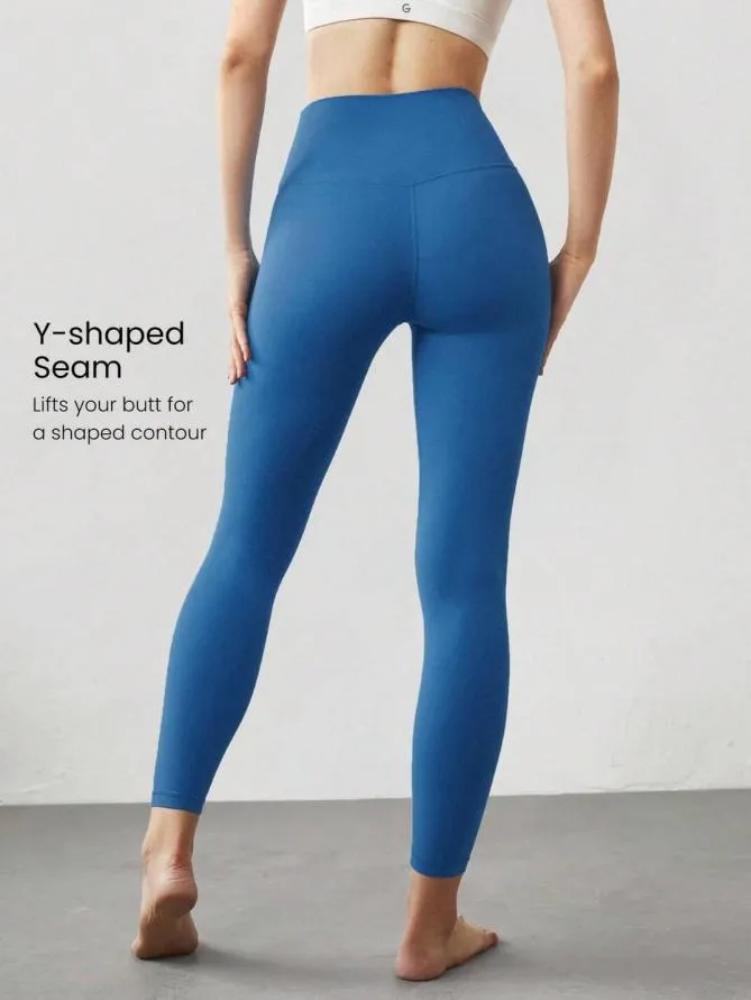
What Makes Leggings Truly Squat Proof?
Fabric Composition and Fiber Blends
Fabric composition is one of the clearest indicators of whether leggings can stay squat proof in motion. Most performance leggings use synthetic fibers because they offer strength, elasticity, and shape retention that natural fibers usually cannot match on their own. Polyester is valued for durability, color retention, and moisture management, while nylon often brings a smoother hand feel and strong abrasion resistance. Elastane, often listed as spandex or Lycra, gives the fabric its stretch. A balanced blend matters more than a single fiber. Too little stretch fiber can make leggings feel rigid and prone to bagging, while too much can create a thin, overly tensioned fabric that turns sheer more easily. A well-designed blend supports movement, keeps recovery strong, and helps the material return to shape after repeated wear.
Stretch, Recovery, and Opacity Explained
Stretch allows leggings to move with the body, but recovery determines whether the fabric snaps back instead of staying stretched out. Both are essential for squat proof performance. If a fabric stretches easily but recovers poorly, it can lose support at the knees, hips, and seat, making opacity less reliable over time. Opacity is not just about thickness; it is about how the knit behaves under strain. When low-quality fabric stretches, the yarns separate and let more light through, which creates the see-through effect people notice during squats. Strong recovery helps keep the knit structure compact even when the garment extends. That is why leggings that pass a quick try-on test may still fail during a workout if the fabric lacks resilience. True Squat Proof Leggings maintain coverage during deep movement, not just while standing still in good lighting.
Fabric Features That Affect Performance
Fabric Weight, Knit Density, and Coverage
Fabric weight affects how substantial leggings feel, but heavier is not always better. Very lightweight leggings may feel cool and soft, yet they are more likely to become sheer if the knit is too open or the fabric is overstretched. A medium to moderately heavy performance fabric often gives a better balance of flexibility and coverage. Knit density is especially important because a tightly constructed knit keeps yarns close together even when the garment stretches. That reduces the chance of transparency across the seat and thighs. Coverage also depends on how evenly the fabric distributes tension. If the knit is inconsistent or loosely built, leggings can appear opaque in some areas and sheer in others. Dark colors may hide this slightly, but they do not fix the underlying issue. Reliable squat proof leggings usually combine a substantial feel with dense knitting and controlled stretch.
Moisture-Wicking, Breathability, and Durability
Moisture-wicking fabric pulls sweat away from the skin so it can spread across the surface and evaporate more efficiently. That helps leggings feel drier during training and reduces the heavy, clingy sensation that can develop in low-quality materials. Breathability matters alongside wicking because even opaque leggings should allow heat to escape instead of trapping it. Good performance fabric manages this balance without becoming too thin. Durability is the third part of the equation. Repeated stretching, washing, and friction from workouts can break down weaker fibers, causing pilling, shine, or thinning in high-contact areas. Durable leggings hold their structure and surface finish longer, which helps preserve squat proof coverage over time. Strong seams, resilient yarns, and stable elastic recovery all support this. When moisture control, airflow, and durability work together, leggings feel more comfortable and remain dependable through regular training.
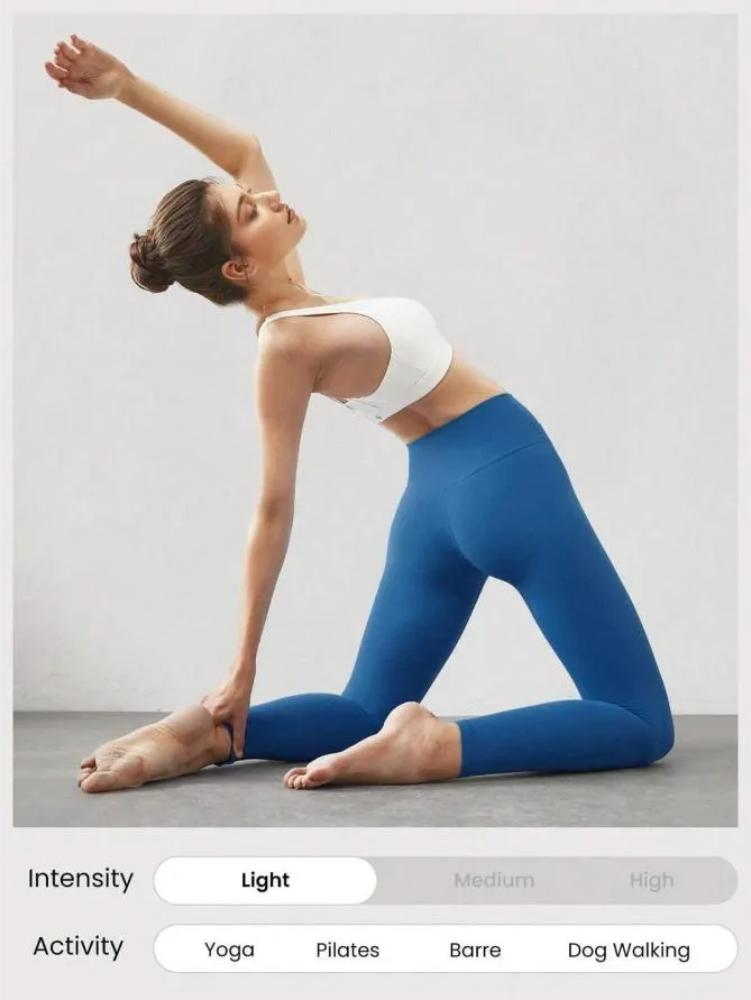
How to Choose the Right Squat Proof Leggings
Fit, Size, and Construction Details to Check
Correct fit is essential because even excellent fabric can turn sheer when the leggings are too small. Start with the size guide and pay attention to hip and waist measurements rather than guessing from your usual size alone. Leggings should feel supportive, not strained. If you notice excessive tension lines across the hips or seat, the fabric is likely being overstretched. Construction details also matter. A wide, stable waistband helps keep the leggings anchored during squats and reduces pulling through the back rise. Well-finished seams improve comfort and can help distribute stress more evenly across the garment. Gusseted construction is another useful feature because it supports range of motion and reduces bunching in key areas. Together, proper sizing and thoughtful construction give the fabric the best chance to stay opaque, secure, and comfortable in motion.
Where to Find Reliable Squat Proof Leggings
Reliable squat proof leggings are easiest to find from retailers and product pages that provide clear fabric information, fit guidance, and close-up construction details. Look for descriptions that specify fiber content, stretch features, fabric weight or feel, and intended activity use rather than vague promises about comfort. Product images should show the waistband, seams, and overall fabric finish clearly. Customer reviews can also be helpful when they mention opacity during squats, recovery after washing, and how the leggings perform in actual workouts. The most useful feedback is specific, not just positive. Brands that publish detailed sizing charts and care instructions also tend to make evaluation easier because they show confidence in the garment’s construction. When product information is transparent and technically specific, you have a much better chance of choosing leggings that are genuinely squat proof rather than simply marketed that way.
Conclusion
Squat proof leggings are not defined by a buzzword or a flattering mirror test. They depend on fabric composition, knit density, controlled stretch, strong recovery, and construction that supports movement without overstressing the material. When those elements come together, leggings stay opaque through squats, feel secure at the waistband, manage sweat better, and keep their shape over time. That makes them more reliable for both workouts and daily wear.The most practical way to shop is to look beyond appearance. Check the fiber blend, pay attention to fabric density, choose the right size, and review construction details such as waistband support and seam design. These factors tell you far more than a product name alone. If you want leggings that perform under pressure, fabric is the secret that matters most. Understanding that gives you a clearer, smarter way to choose a pair that will actually hold up when it counts.