
Streetwear works because it lets people say something before a conversation starts. A box-logo hoodie, an ASICS runner, a football shirt under a work jacket, or a Palace cap on the Tube can mark taste, city, team, and mood in one look.
The market has become serious enough for EssilorLuxottica to buy Supreme from VF Corporation for $1.5 billion in 2024. On a Friday night outside a venue in Shoreditch, the uniform is rarely accidental: loose denim, a faded tee, one rare sneaker, and a tote from a gallery shop. The clothes still start on sidewalks.
The Logo Became a Signal
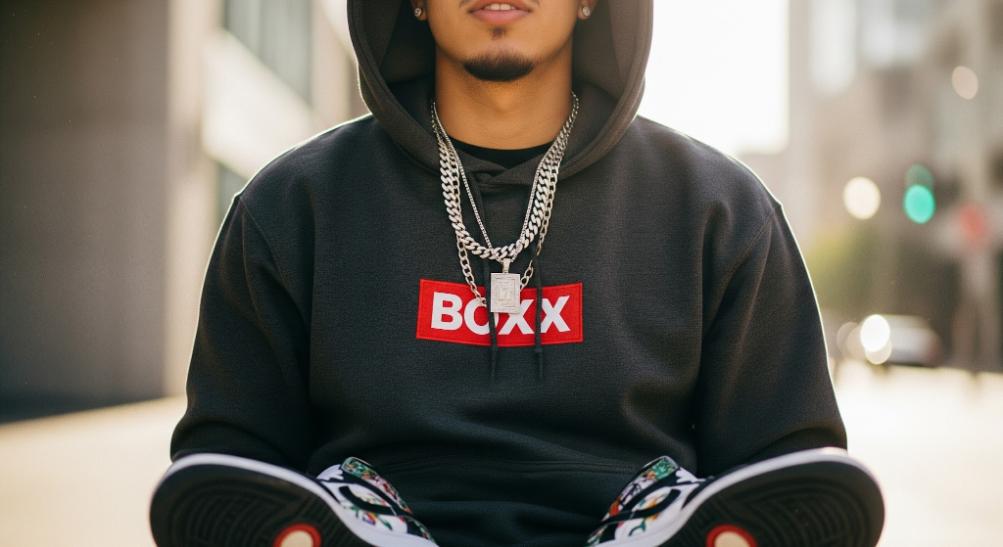
Supreme’s rise was never only about cotton weight or screen printing. The brand built demand around small drops, store lines, and a red rectangle that could turn a plain crewneck into a status signal on Lafayette Street. When VF sold Supreme to EssilorLuxottica in October 2024, the deal confirmed what skaters and resellers had known for years: streetwear had become an asset class as much as a style language. Scarcity did the talking.
Luxury Learned the Hoodie’s Grammar
Virgil Abloh’s 2018 appointment as artistic director of Louis Vuitton menswear changed the balance between luxury and street culture. His first Vuitton show at the Palais-Royal gardens used a rainbow runway, a diverse casting slate, and sneakers beside tailoring rather than beneath it. The small observation still matters: Abloh did not remove the codes of streetwear; he moved them into a house founded in 1854. A graphic T-shirt could now sit in the same conversation as a leather trunk.
Match-Day Style Now Lives on the Phone
Sport has always shaped streetwear, from basketball shorts to terrace jackets, and cricket now has its own digital layer. The 2026 IPL final at Narendra Modi Stadium ended with Royal Challengers Bengaluru beating Gujarat Titans by 5 wickets, with Virat Kohli making 75 from 42 balls in the chase. A fan placing an ipl bet during that kind of match should see odds, stake size, team news, and account balance before the final confirmation screen. Style may handle the public signal, but betting needs private discipline: a fixed bankroll, no borrowed money, and no chase after one wicket. The best match-day fit still leaves enough room for common sense.
Sneakers Turned Footwear Into a Ledger
Sneaker culture gave streetwear its most trackable scoreboard. StockX’s 2025 Big Facts report said ASICS sales were up 45% year over year, with the Gel-1130 in Black/Pure Silver sitting as the platform’s top-selling sneaker for 2025. That shift says something about taste: runners, mesh panels, and silver overlays have joined the old Jordan and Dunk conversation. The queue moved from the sidewalk to the app, but the anxiety stayed. A shoe can still say more than a caption.
Apps Changed How Drops Feel
Modern streetwear is now built around alerts, release calendars, size charts, and payment screens. Nike says its SNKRS app gives users access to launches, events, and exclusive releases, which turns a sneaker drop into a timed mobile ritual. Someone checking the MelBet app download around an IPL weekend is dealing with a parallel habit: source checks, login settings, KYC, payment visibility, and bet-slip review before any wager goes live. The fashion lesson is not that every app is the same; it is that culture now moves through screens where timing, identity, and money sit close together. One bad tap can ruin the morning.
The Outfit Became the Biography
Streetwear lasts because it gives ordinary clothes a memory. A hoodie can carry a 2019 concert, a pair of Gel-1130s can point to a resale bid in 2025, and a worn shirt can bring back a last-over six at Eden Gardens or a 90th-minute winner at Wembley. The strongest outfits are not the loudest ones; they are the ones with a specific receipt, match, neighborhood, or person attached. That is why streetwear still works after the trend report moves on. The wearer edits the archive every time the jacket leaves the chair.