
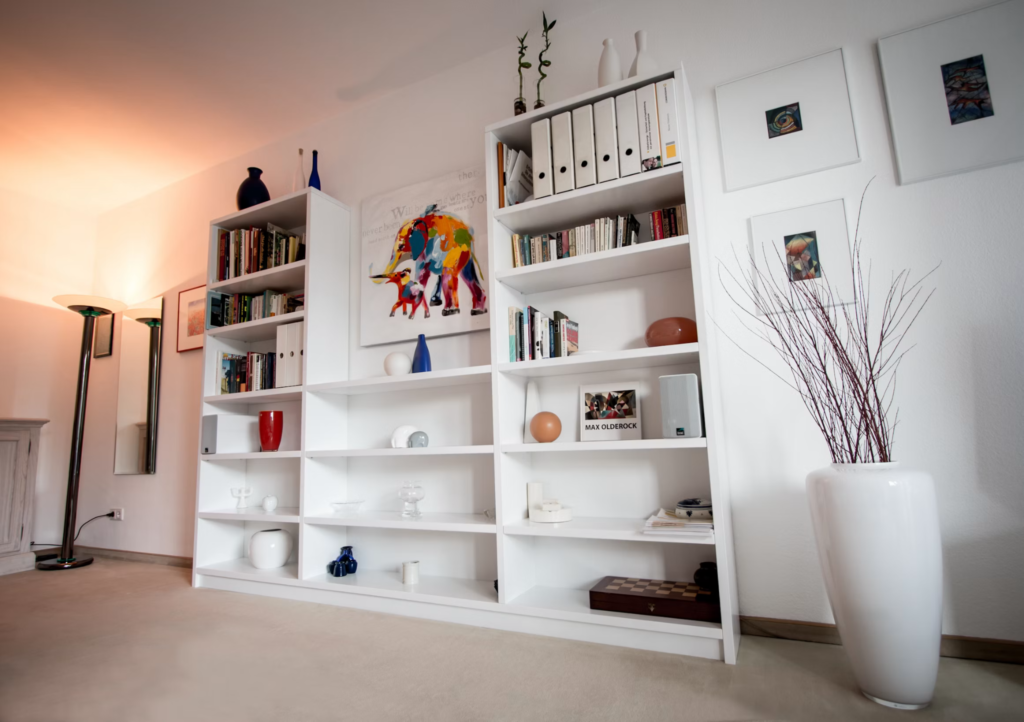
Living an organised life is about more than just tidy shelves and colour-coded files. It’s about creating a calm, functional space where you can relax and know that the things you care about are safe and easy to find. Protecting your valuables, from sentimental keepsakes to essential documents, is a core part of that process. It’s not about hiding things away, but about storing them smartly so they are preserved for years to come.
Decluttering for Peace of Mind
Before you can protect your most prized possessions, you need to know what they are. The first step is always to declutter. A cluttered home makes it difficult to keep track of what you own, let alone what’s truly valuable. Going through your belongings room by room helps you shed the items that no longer serve a purpose, making space for what truly matters. This process isn’t just about creating physical space; research shows that less clutter can reduce stress and improve your overall sense of well-being. Start small, perhaps with a single drawer or cupboard, and be honest about what you need to keep, what can be donated and what should be thrown away.
Identifying Your Most Prized Possessions
Once you’ve cleared out the noise, it’s easier to see what’s left. Your valuables will fall into a few key categories. Some items have high monetary value, like jewellery, electronics or art. Then there are those with immense sentimental value, such as family heirlooms, photographs and letters. Finally, there are the practical valuables: passports, birth certificates, property deeds and other important documents that would be a nightmare to replace. Make a simple list, either on paper or on your phone. This doesn’t have to be exhaustive, but it will give you a clear picture of what needs special attention and protection.
Smart Storage for Sensitive Items
Different items need different kinds of protection. Delicate fabrics and old photographs can be damaged by light and humidity, whilst sensitive electronics are vulnerable to dust, moisture and impact. For papers and documents, acid-free folders and waterproof document bags are a must. For more robust protection of items like camera equipment, drones or other important gear you might take on your travels, a protective storage case offers superior defence against the elements and accidental drops. The key is to think about what could realistically damage each item and choose a storage solution that counteracts that threat.
Beyond the Drawer: Secure Solutions
For items of significant monetary or personal value, a locked drawer might not be enough. A small, fireproof home safe is a sensible investment for irreplaceable items like passports, backup hard drives and expensive jewellery. It’s also wise to digitise your most important documents. Scan your passport, driving licence, and insurance policies and save them to a secure cloud service. This creates a backup that you can access from anywhere in an emergency. For insurance purposes, creating a detailed home inventory with photos and receipts is an incredibly useful exercise that can save you a lot of hassle down the line.
It’s also worth thinking about where you store valuables within your home. Keeping everything in one obvious location can make items more vulnerable to theft or accidental damage. Consider spreading important belongings across different secure storage areas, particularly if they serve different purposes. Documents might belong in a fireproof safe, while sentimental keepsakes could be stored in protective archival boxes. Taking a layered approach to security helps reduce risk and ensures that if one storage solution fails, your most important possessions still have an additional level of protection.
Maintaining an Organised Aesthetic
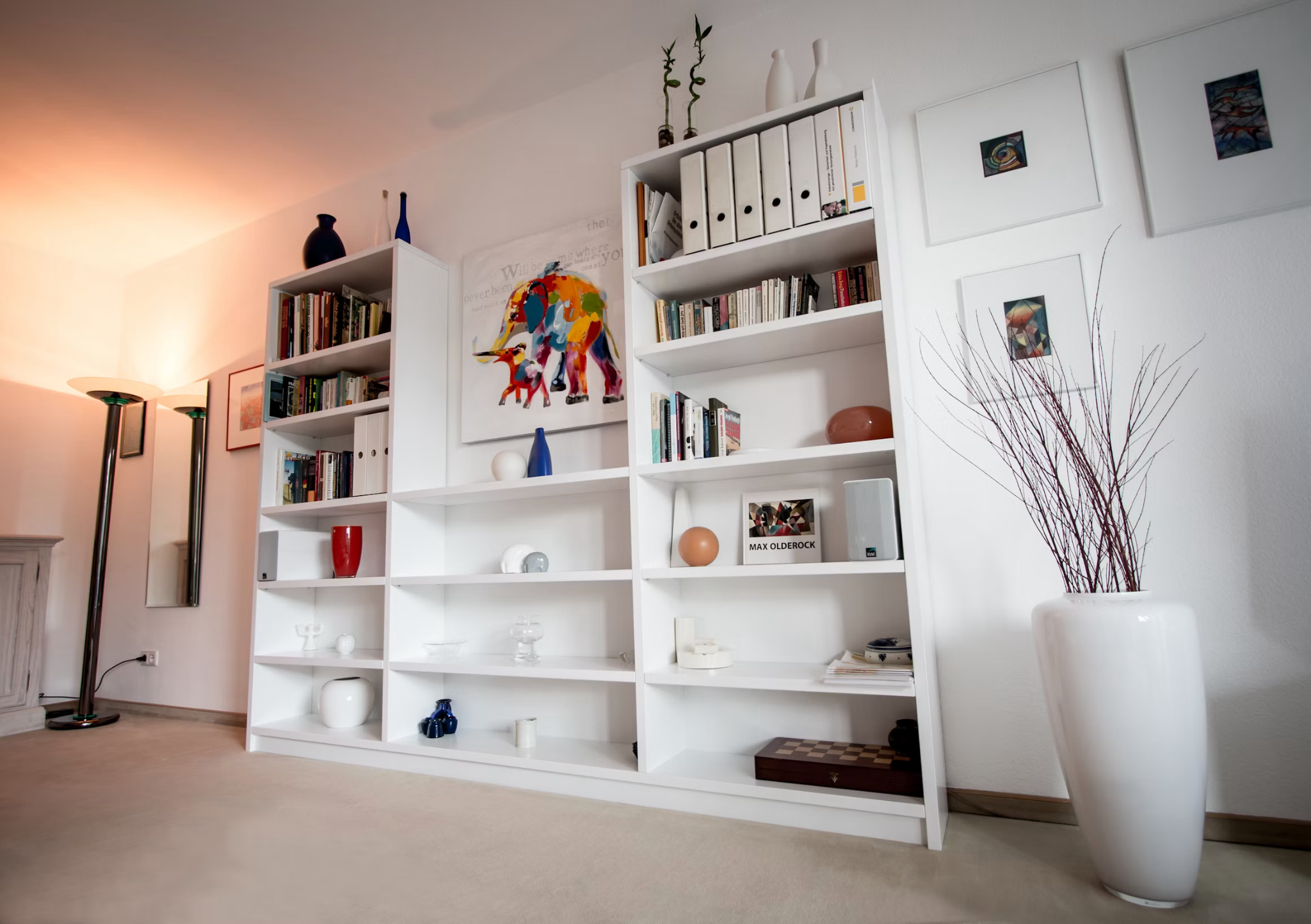
Secure storage doesn’t have to be ugly. Organised living is also about creating a space you love to be in. Look for solutions that blend with your home’s decor. Stylish storage boxes, decorative chests and elegant filing cabinets can all house your valuables whilst contributing to your home’s overall aesthetic. You can turn a necessary task into a design opportunity. By choosing storage that is both functional and beautiful, you’re more likely to maintain your organisational systems over the long term. It becomes less of a chore and more of a natural part of how you live.
Another useful habit is scheduling a quick organisation review every few months. As new items enter your home, storage systems can gradually become overcrowded without you noticing. A regular check allows you to reorganise spaces, remove unnecessary clutter and make sure valuable items are still being stored appropriately. Small maintenance sessions are often much easier than tackling a major reorganisation project later on, helping you preserve both order and peace of mind throughout the year.
Ultimately, protecting your valuables is an ongoing practice. As you acquire new things or your life changes, you’ll need to adjust your systems. But by building a solid foundation of decluttering, identifying and securely storing your items, you create a home that is not only organised but also a true sanctuary.