
Menopause doesn’t just change your hormones. It changes how your body processes almost everything you put into it. Understanding that shift is the difference between fighting symptoms blindly and actually having some control over them.
1\. Lead Every Meal With Protein
As estrogen decreases, muscle mass also decreases. This is not a gradual problem, it goes faster during perimenopause and remains while transitioning. When protein is the priority in each meal, the body receives signals to maintain lean tissue; this also prevents metabolism from declining.
Rather than dividing it over snacks, have 25-35g of protein per meal. Eggs, legumes, fish, and Greek yogurt are protein sources that provide the necessary building blocks without raising blood sugar levels.
2\. Use Cruciferous Vegetables As A Detox Lever
The liver performs detoxification in two stages. In phase I, hormones such as estrogen are broken down into intermediary compounds. In phase II, these intermediary substances are transformed into water-soluble forms that the organism can eliminate. The issue is that phase II often functions more slowly, allowing those partially metabolized estrogen compounds to remain in the circulation longer than necessary.
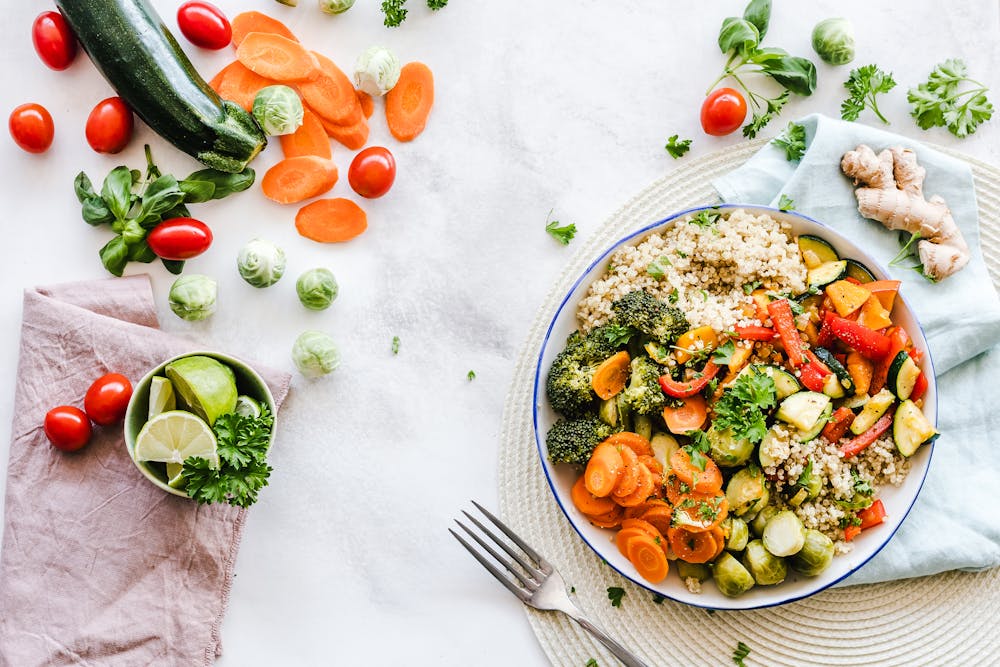
Broccoli, kale, Brussels sprouts, and cabbage provide specific compounds (indole-3-carbinol and sulforaphane), which directly stimulate the work in phase II. Three to four servings a week have a measurable impact on the effectiveness of the elimination of spent hormones.
3\. Flatten Your Blood Glucose Curve
Insulin sensitivity decreases as women go through menopause, meaning that the cells in your muscle, fat, and liver aren’t able to use the hormone to its full potential. The result? Glucose stays in your blood, making levels rise. Even small carbohydrate loads, which wouldn’t have caused a glucose spike before, can trigger one now.
Those glucose spikes are linked directly to the night sweats, irritability, depression, and fat around the middle that makes menopausal women so upset. Strategic carbohydrate consumption (limit the sugar and bread and double veggies and protein to help stabilize your insulin and glucose) can knock that all on the head.
4\. Audit What You’re Drinking
This is where a lot of women get caught off guard. A glass of wine that felt fine at 38 can, by 48, trigger immediate flushing, broken sleep, and a two-day recovery. The reason is biochemical. The enzyme alcohol dehydrogenase – which your liver uses to break down ethanol – becomes less efficient as estrogen levels shift. At the same time, the liver is being asked to prioritize hormone metabolism, leaving less capacity for everything else.
This is the mechanism behind menopause and alcohol intolerance, and it affects far more women than currently recognize it as a hormonal issue rather than a personal tolerance change. Caffeine operates on a similar principle – it’s one of the most commonly reported dietary triggers for hot flashes, which can affect around 80% of women during the transition.
Auditing your beverages doesn’t necessarily mean eliminating them. It means paying attention to timing, quantity, and what else you’ve eaten, then adjusting based on actual response rather than what used to work.
5\. Build Your Gut Bacteria For Hormone Regulation
The estrobolome is a subset of gut bacteria that metabolizes and recirculates estrogen. When gut diversity drops – which happens with age, stress, and processed food intake – estrogen metabolism becomes erratic. Too much recirculation can worsen symptoms; too little clearance can also cause problems.
Fermented foods like kefir, kimchi, sauerkraut, and plain yogurt feed the microbial diversity that keeps this system working. High-fiber intake matters here too. Fiber binds to metabolized estrogen in the gut and helps carry it out of the body rather than allowing reabsorption.
6\. Address Magnesium and Omega-3s Before Reaching For Supplements
It is very likely that you will have a magnesium deficiency during menopause, make counts of it landing in those things that already feel delicate – sleep, nervous system, and muscles. Seedy pumpkins, dark leafy greens, and dark chocolate are packed with sources. An evening magnesium glycinate supplement is one of the more reputable recommendations for sleep disturbances.
Omega-3 fatty acids from oily fish, flaxseed, and walnuts reduce systemic inflammation that makes brain fog, joint pain, and mood disturbances. These are not optional for menopause nutrition; they are fundamental.
7\. Get Your Fat-Soluble Nutrients With Fat
Vitamin D3 and K2 become more crucial for bone density in the absence of estrogen’s protective influence on skeletal tissue. However, both vitamins are fat-soluble, meaning that if you take them without any dietary fat then you will absorb a strikingly low amount. Take your supplement with a meal containing avocado, olive oil, or nuts. K2 in particular is involved in the process that directs calcium into bone rather than soft tissue, so it is a meaningful synergist to D3 rather than a simple add-on.
The body during menopause is not broken. It’s a different organism. Nutrition is one of the few variables you can actually alter on a daily basis – and the reaction, if you are giving the correct stimulus, tends to be quicker than most anticipate.