
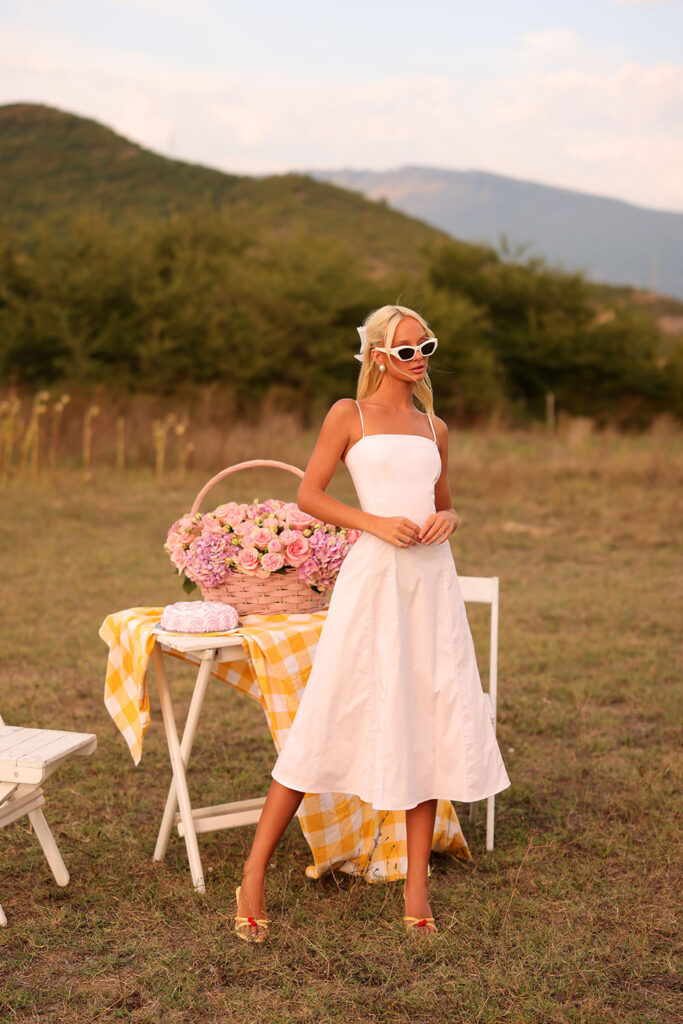
Minimalist fashion sounds simple in theory. Wear neutrals. Keep it clean. Done.
But once you actually try it, you realize something. Simple can easily turn into flat. You build an outfit that checks all the boxes. No prints. No clutter. Yet it still feels like something is missing.
Adding trends rarely solves it. More “statement” pieces usually just crowd the look. The difference comes down to precision. Fit. Proportion. Fabric. The quiet details most people overlook.
So how do you keep things minimal without fading into the background?
What Is Minimalist Fashion?
Minimalist fashion is less about owning fewer clothes and more about making better choices.
It centers on a few clear ideas:
- Colors that work together without effort
- Clean lines that do not compete
- Shapes that define the body
- Materials that feel solid and intentional
The aesthetic became especially visible in the 1990s. Designers shifted away from heavy decoration and focused on tailoring, slip dresses, and monochrome dressing.
The emphasis moved to silhouette. Construction mattered more than embellishment.
Why Minimalist Fashion Still Creates a Strong Impact
When you remove excess, you create focus.
Without bold prints or obvious logos, people notice different things. How the blazer sits on your shoulders. Whether your trousers break at the right spot. The clean fall of a dress that is cut well.
Those details are not random. They shape proportion.
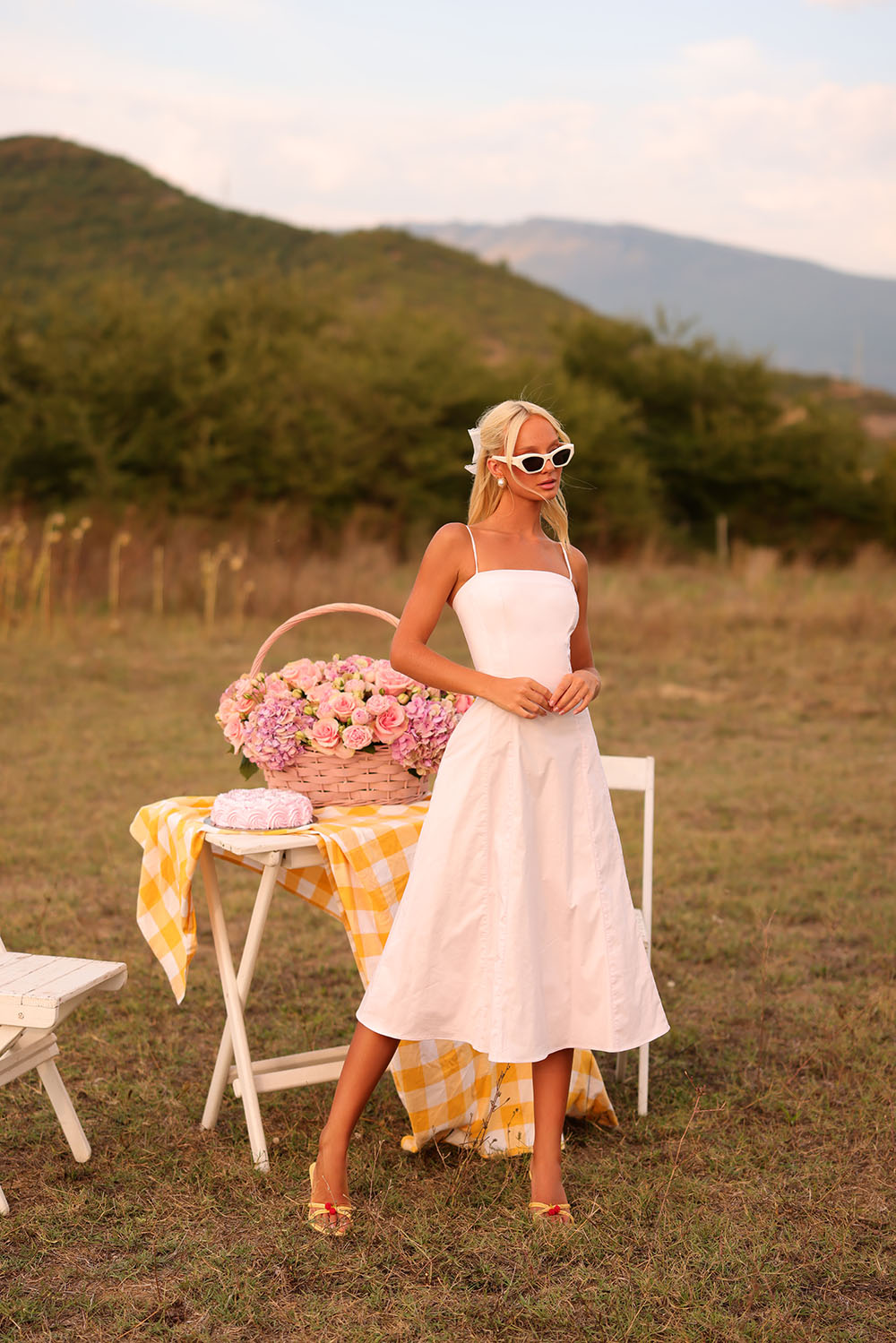
A blazer with structure gives definition. High-waisted trousers create length through the legs. A straight-cut dress draws the eye vertically. These principles come from tailoring, not trend reports. They work because they change how clothing frames the body.
Fabric plays a bigger role too. When the design is simple, texture becomes visible. Cotton looks crisp when pressed. Wool holds its shape through hours of wear. Silk moves as you move. Japanese minimalist fashion is often associated with strong construction and careful cutting, which shows how much impact thoughtful design can create without extra detail.
Choose one focal point. Defined shoulders. A sculptural bag. Sharp heels. Stop there. That pause is what keeps the look confident.
How to Style Modern Minimalist Fashion for Maximum Impact
Minimalism only makes an impact if it feels current.
Start with pieces that create shape:
- Tailored black or navy trousers
- A blazer that fits cleanly at the shoulders
- A crisp white or cream shirt
- A close-fitting knit
- A structured coat
Then pay attention to balance. Wide-leg trousers look stronger with a slimmer top. A straight skirt works well with a slightly relaxed blazer. Contrast keeps the outfit from feeling rigid.
Color should feel intentional, not safe. A full monochrome look often feels stronger because it creates one continuous line. Even layering tones that sit close together, like cream and beige, adds depth without adding noise.
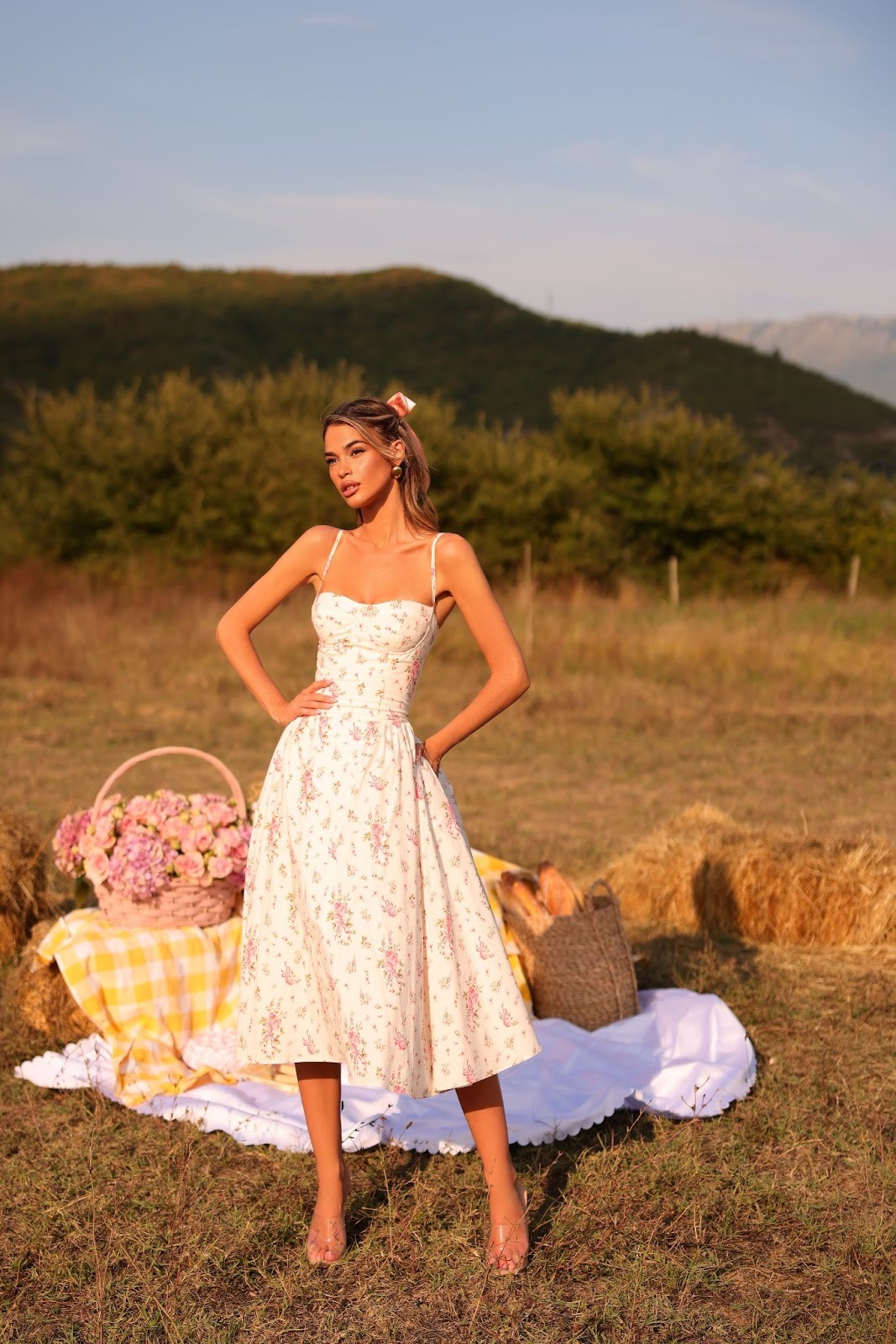
Dresses can simplify everything. Well-cut midi dresses rely on silhouette rather than decoration. Check the shoulder alignment. Notice where the waist sits. Look at the fabric weight. Length matters too.
Accessories should not compete. One defined piece is enough.
Where to Shop Minimalist Fashion Brands
Look for brands that pay attention to tailoring and fabric weight. The strongest minimalist fashion labels build collections where pieces naturally work together.
Before you buy, pause.
- Does it fit properly right now?
- Can you style it at least three ways?
- Does the fabric feel sturdy and well made?
If the answer is yes, it earns space in your closet.
Why Modern Minimalist Fashion Continues to Endure
Trends move quickly. Proportion does not.
When fit and structure are strong, you do not need decoration to feel put together. The clothing supports you instead of competing for attention.
That is the difference. Minimalist fashion does not shout. But when it is done well, it does not disappear either.