
Discovering old places is more than just sightseeing; it’s a trip back in time. Even as you go through the present, the smell of worn stone, centuries-old buildings, and cobblestone streets tempt you to travel back in time. For men, it’s not just about comfort while dressing for such occasions; it’s also about striking that effortless balance between contemporary utility and traditional elegance. The appropriate attire, which combines modern design with a reference to tradition, makes you feel like you belong.
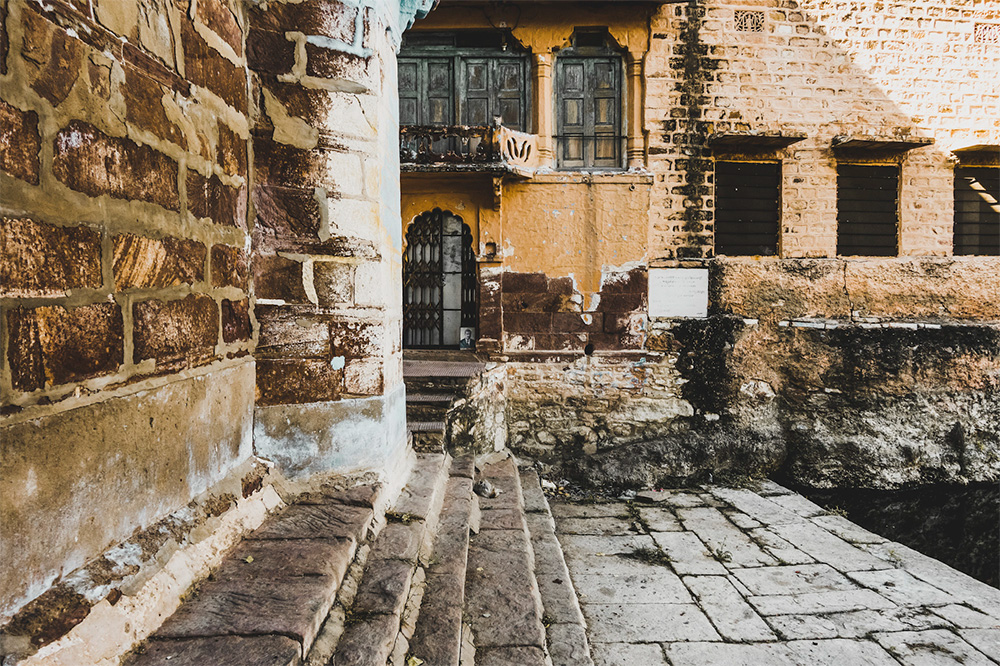
Whether you’re walking through a charming beach village in Ireland or a medieval square in Europe, wearing well can make the experience more enjoyable. Here is a comprehensive guide to what men should dress to ancient towns, with a focus on comfort, usefulness, and classic style.
Layered looks
The greatest way to visit historic towns is on foot, so you’ll spend a lot of time outside. The secret to being warm without packing too much or overheating is to use layers.
Start with a base layer that is light and breathable, such a blouse made of cotton or linen. In addition, a lightweight knit or well-fitting sweater offers warmth without adding bulk. For colder climates, a jacket made of wool or waxed cotton is perfect since it provides insulation and a timeless appearance that goes well with old-world streets.
Versatility—the capacity to add or remove layers as you go from bright courtyards to dimly lit alleyways or busy interior marketplaces—is the aim. The finest colors to keep a polished, subtle appearance that goes well with the classic surroundings are earth tones, navy, and subdued greens.
The role of accessories
In old towns, accessories have a purpose in addition to completing an appearance. A pair of sunglasses, a timeless watch, and a strong leather belt can enhance the look without being overpowering.
Nonetheless, the flat cap—especially the Irish flat cap, which flawlessly embodies the fusion of functionality and tradition that these cities stand for—stands out for both style and heritage value.
Authentic Irish flat caps made of tweed and wool are available from brands like Gaelsong. These caps are designed to endure varying weather conditions while still looking elegant. An Irish flat cap quickly conjures up a sense of place when worn with a wool coat or casual jacket, a link to the artisan craftsmanship and agricultural heritage of Europe.
Smart trousers and durable footwear
In historic towns, walking is inevitable, therefore your choice of pants and shoes should be based on comfort. Choose black jeans with a neat, structured cut or well-fitting chinos. They retain a sense of polish while offering the movement required for exploration.
In footwear, functionality and style come together. Brogues or leather boots are great choices because they are both stylish enough for museums or cafés and robust enough for difficult terrain. Neutral-colored walking shoes match well with more sophisticated outfits.
Avoid sneakers with vivid logos or extremely trendy designs. Clean lines often seem appropriate in historic situations, which need classic simplicity.
Heritage textiles
Consider historically significant textiles when dressed for historic towns. In addition to being strong, wool, tweed, linen, and leather are materials rich in cultural heritage. Long before synthetic textiles took over wardrobes, they were designed for travelers.
In addition to keeping you warm, a herringbone coat or tweed blazer goes well with the hues and textures of historic buildings. The endurance of legacy fabrics is what makes them so beautiful; like the towns themselves, they get better with time and wear.
Particularly among younger tourists who choose authenticity above trendiness, tweed has witnessed a comeback. It is ideal for touring ancient locations because of its tough yet elegant appearance, which conveys a respect for tradition while providing warmth and durability.
The importance of colors
Natural hues found in historic towns include muted blues, brick reds, deep greens, and aged stone. You can achieve visual harmony with your surroundings by incorporating these colors into your clothing. In addition to taking stunning pictures, earthy and neutral color schemes also exude subtle elegance.
Think about layering olive, charcoal, brown, and beige hues. These tones are perfect for day-to-night transitions since they are adaptable and flexible.
Function and fashion go hand in hand
Comfort is still the cornerstone of appropriate travel clothing, even though style is crucial. Each component ought to have a purpose. Breathable materials for extended hikes, water-resistant gear for drizzles, and jackets with interior pockets for passports make all the difference.
Select versatile pieces, such as a jacket that can be worn for dinner or a scarf that can be used for both warmth and flair. Messenger bags, leather gloves, and flat hats are examples of accessories that offer personality while keeping necessities close at hand.
Being practical doesn’t imply losing sophistication; rather, it means adapting it to your surroundings.