
Knowing opponents’ cards would simplify poker. While this is unusual, attentive players with strong intuition may utilize poker to filter their opponents’ ranges. In extreme cases, it’s possible to predict their cards.
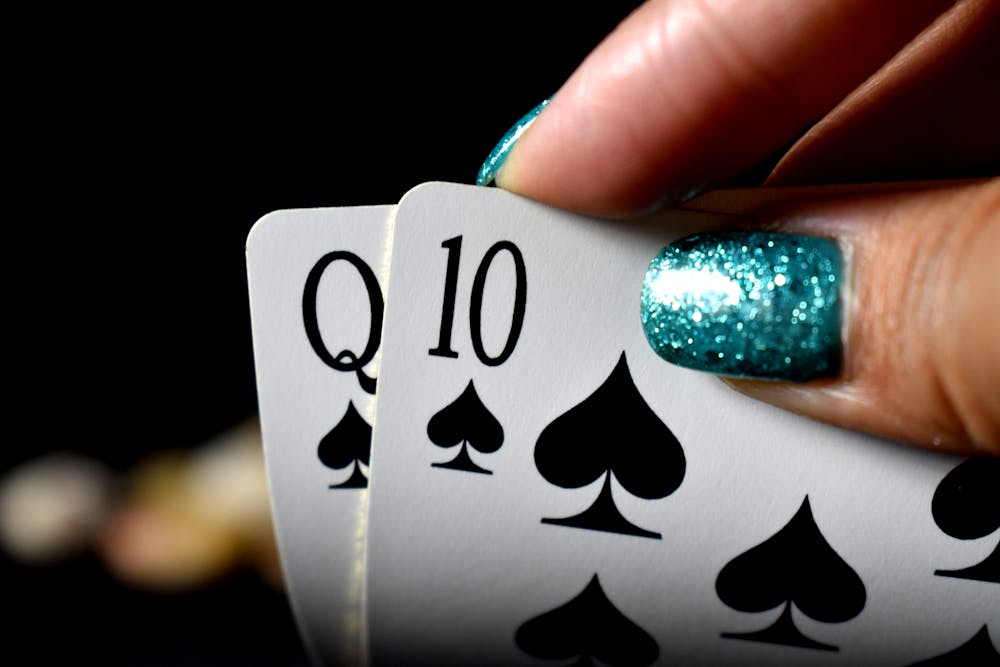
This may seem extreme, but most players can improve their hand-reading skills by studying poker. The specific hand of a player isn’t always important, but knowing their strength is.
The Top 5 Live Poker Tells
Distinct players have distinct habits, therefore, live poker might be valuable or useless. Poker patterns may differ substantially between beginners and pros. Some indications are abundant but unreliable, while others are rare yet dependable. These factors complicate the process of determining which indication is the most useful.
Recreational poker players repeat live poker tells. Learn 5 of the most important poker tells here.
Before proceeding, be aware that these methods are not infallible and can fluctuate, especially when dealing with experienced players. Ideally, you should have conducted research on a player and demonstrated a consistent tell. Avoid “cold reads,” since it’s impossible to tell whether a player’s conduct is typical without previous observation.
- Chip defense
A waiting-to-act player handles their chips to indicate they may call or wager. Usually, they do this defensively with a weak or medium-strength hand to discourage betting.
A river player who grabs and pushes their chips slightly forward to call a bet is an example of this. Still, defensive chip handling may be subtler. A player may position their hand on or near their chips to hint at betting or calling.
Defensive chip handlers and others may call or fold. The player folds more often with larger bets. Because bets are less important in fixed limit games, defensive chip management and calls are common. Defensive chip management typically leads to a fold in no-limit games.
An opponent may call or fold to a stake, but if you’re convinced they’re defensive, a raise is unlikely. Ruling out an opponent rising lets you value-bet borderline cards you could have checked.
- Stillness vs. Movement
Some gamers have loose or repressed body habits following big wagers. Bluffers are usually stiller than powerful hand bettors. The basic tendency to “freeze up” and hide when threatened accounts for this.
However, use this generic poker tell only if you’re certain it’s appropriate for a player.
Small, subtle bodily motions are often the best method to spot this pattern. You may have witnessed a player make two huge river bets with solid hands. Each time, you observed that they toyed with their chips, flexed their neck, moved their arms about on the rail, looked at their opponent, the cards, and back again, etc.
You later see this player playing a large bluff as they gaze stoically at the board cards and remain motionless. This player consistently exhibits this behavior, so it’s important to monitor their actions after the bet.
- Instant Calls
Online and live poker players benefit most from quick calls as bet-timing informs. Instantly calling a bet rules out a raise. Strong hand players usually aim to maximize value, thus the quick call is improbable.
It normally takes a few seconds for a good hand player to call. So, quick calls generally suggest weak or medium-strength hands.
Since stakes are generally modest enough to allow rapid calls, preflop and flop calls are most beneficial. Players consider longer bets, such turn bets, regardless of their hand.
Immediate calls may help eliminate powerful draws in poker tells. In no-limit, a player who calls quickly on a Jc Ts 5c flop is unlikely to have an ace-high flush draw or K-Q. Most players with powerful draws will consider raising here, even if they call.
Receiving a call after bluffing could spur you to make another bluff on the subsequent block. When betting a powerful hand, an opponent’s quick call usually means they’ll fold to another normal-sized bet. In this instance, you may be tempted to gamble less or check.
Using Jackpot City free spins code and this tells you to play poker and try to use your new knowledge.
- Instant Bets
After immediate callers, immediate bets are the second most effective poker indication for bet timing. Why? This is because more players wager faster with bluffs than with solid hands.
This occurs for numerous reasons:
- An instant decent-sized bet typically indicates a strong or weak range. Medium-strength hands encourage players to consider the optimal strategy (bet or not, how much, etc.). So initial high bets are usually bluffs or powerful hands. In most circumstances, strong hands are difficult to have, hence lesser hands are favored.
- Strong hands encourage players to maximize value and play the hand well. Strong-handed players naturally consider bet-sizing and other strategic factors.
- Bluffers don’t worry as much as strong-hand gamers. Bluffers typically realize they must gamble big. A bluffer may have determined on the previous round to bluff if they don’t improve, making an urgent bet on the following round more probable. This applies notably to the hand aggressor.
- Bluffers want to look confident, so they wager quickly. Strong-handed players may want to seem unsure and introspective. Also, quick bets are more likely to have weak hands.
Remember that there is a general trend, regardless of the circumstances. We’ve all witnessed players and made our own quick wagers with good hands. However, knowing that this is a typical trend might help you find players with dependable versions.
Knowing this basic trend might also assist you in deciding in borderline circumstances. If your opponent bets on the river and you’re split on whether to call or fold, you might use their immediate bet as a tiebreaker.
- Post-Bet Eye Contact
Many poker tells suggest that players who gaze at you after betting are bluffing. These players are attempting to scare you into not calling. The reality is more complex. You should monitor for two main eye-contact patterns:
- Pattern #1: Making greater eye contact after betting a solid hand (owing to relaxation and openness). Making less eye contact after bluffing indicates anxiety and an attempt to avoid inspection.
- Pattern #2: Avoiding eye contact after betting a powerful hand to seem weak. Increasing eye contact after lying to look “strong”.
This is an exact opposite pattern.
This shows how intricate poker tells and how this behavior may be. Players may not make eye contact. Some players will have a big pattern, so look for it.
The first pattern is more typical among casual players. These players prefer to engage more with their opponents after betting powerful hands, particularly action-ending bets like all-in or river bets. This engagement might include more eye contact. Most recreational bluffers avoid inspection and conversation, resulting in reduced eye contact.
Because players naturally stare at each other more when sitting directly across from an opponent, eye contact patterns are simpler to spot. Players who sit next to one other seldom engage in these actions.
Online Poker Tells Guide
Poker players romanticize tells. Poker face—a twitch or tic that indicates hand strength—has become commonplace. Many feel that reading your opponents’ actions and mannerisms is what separates poker winners from losers.
Online poker is also considered less pure since there are “no tells” and you cannot see someone’s hand.
Online poker players know that betting patterns and ranges are more accurate ways to read hands, but there are still tells. These three are typical ones to look out for.

